
抗精神病药物及其相关高催乳素血症对精神分裂症患者牙周病的影响:一项队列回顾性研究。
The effect of antipsychotic medication and the associated hyperprolactinemia as a risk factor for periodontal diseases in schizophrenic patients: a cohort retrospective study.
机构信息
Department of Oral Medicine, Diagnosis and Periodontology, Faculty of Dentistry, Fayoum University, Fayoum, Egypt.
Faculty of Medicine, MUST University, Giza, Egypt.
出版信息
BMC Oral Health. 2023 Oct 24;23(1):786. doi: 10.1186/s12903-023-03404-1.
BACKGROUND
Periodontal disease is a major health problem that results in tooth loss and thus affects oral health, which affects quality of life. In particular, schizophrenic patients are at higher risk for periodontal disease due to several factors, including the effect of antipsychotic medications received by those patients. Accordingly, the aim of the present cohort retrospective study is to explore the effect of antipsychotics on periodontal health and the possible effect of antipsychotic-induced hyperprolactinemia as a risk factor for periodontal disease progression in schizophrenic patients.
METHODS AND OUTCOMES
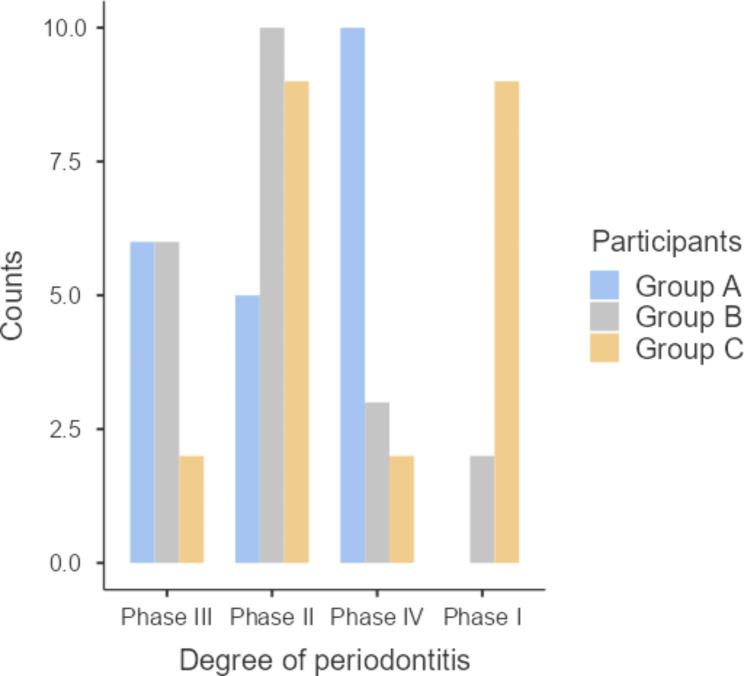
The study population consisted of three groups: Group A (n = 21): schizophrenic patients that have been taking "prolactin-inducing" antipsychotics for at least 1 year; Group B (n = 21): schizophrenic patients who have been taking "prolactin-sparing" antipsychotics for at least 1 year; and Group C (n = 22): newly diagnosed schizophrenic patients and/or patients who did not receive any psychiatric treatment for at least 1 year. The study groups underwent assessment of periodontal conditions in terms of pocket depth (PD), clinical attachment loss (CAL), gingival recession, tooth mobility, and bleeding on probing (BOP). Also, bone mineral density was evaluated using DEXA scans, and the serum prolactin level was measured by automated immunoassay.
RESULTS
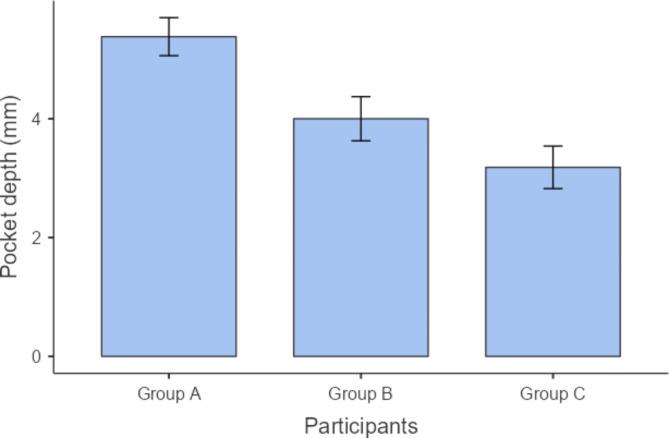
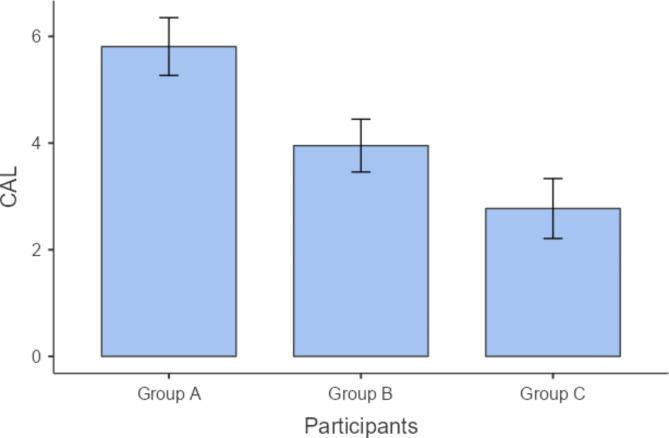
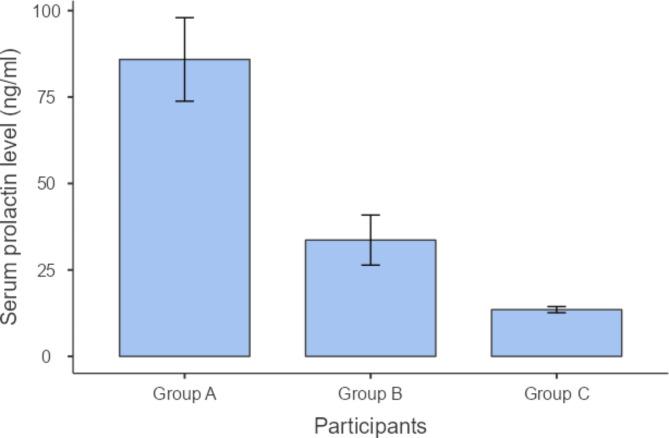
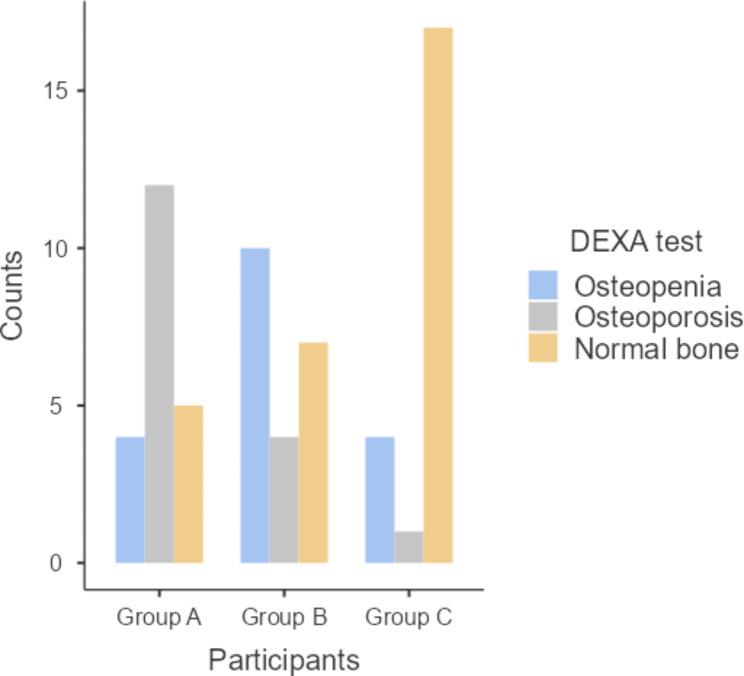
Results revealed a statistically significant difference in PD, CAL, and serum prolactin levels (P ≤ 0.001, P = 0.001, and P ≤ 0.001, respectively) among the 3 study groups. For both PD and CAL measurements, group A has shown significantly higher values than both groups B and C, whereas there was no statistically significant difference between the values of groups C and B. Concerning serum prolactin levels, group A had significantly higher values than groups B and C (P ≤ 0.001 and P ≤ 0.001 respectively). There was a statistically significant difference (P ≤ 0.001) between the 3 study groups in terms of bone mineral density. Moreover, there was a statistically significant direct relation between serum prolactin level and other parameters including clinical attachment loss, pocket depth measurements and bone mineral density.
CONCLUSION
According to our results, it could be concluded that all antipsychotics contribute to the progression of periodontal disease, with a higher risk for prolactin-inducing antipsychotics. However, further long term, large sampled, interventional and controlled studies are required to reach definitive guidelines to allow clinicians properly manage this group of patients.
背景
牙周病是一种主要的健康问题,会导致牙齿脱落,从而影响口腔健康,进而影响生活质量。特别是,由于多种因素,精神分裂症患者患牙周病的风险更高,包括这些患者接受的抗精神病药物的影响。因此,本队列回顾性研究的目的是探讨抗精神病药对牙周健康的影响,以及抗精神病药引起的高催乳素血症作为精神分裂症患者牙周病进展的危险因素的可能影响。
方法和结果
研究人群包括三组:A 组(n=21):服用至少 1 年“催乳素诱导”抗精神病药的精神分裂症患者;B 组(n=21):服用至少 1 年“催乳素保留”抗精神病药的精神分裂症患者;和 C 组(n=22):新诊断的精神分裂症患者和/或至少 1 年内未接受任何精神科治疗的患者。研究组评估了牙周状况,包括牙周袋深度(PD)、临床附着丧失(CAL)、牙龈退缩、牙齿松动和探诊出血(BOP)。此外,使用 DEXA 扫描评估骨密度,使用自动免疫分析测量血清催乳素水平。
结果
结果表明,三组间 PD、CAL 和血清催乳素水平差异有统计学意义(P≤0.001、P=0.001 和 P≤0.001)。对于 PD 和 CAL 测量,A 组的值明显高于 B 组和 C 组,而 B 组和 C 组之间的值没有统计学差异。关于血清催乳素水平,A 组明显高于 B 组和 C 组(P≤0.001 和 P≤0.001)。三组间骨密度差异有统计学意义(P≤0.001)。此外,血清催乳素水平与包括临床附着丧失、牙周袋深度测量和骨密度在内的其他参数之间存在统计学显著的直接关系。
结论
根据我们的结果,可以得出结论,所有抗精神病药都会导致牙周病的进展,催乳素诱导的抗精神病药风险更高。然而,需要进一步进行长期、大样本、干预和对照研究,以制定明确的指南,使临床医生能够妥善管理这组患者。
 Zotero 插件