
新型荧光染料及其在豆芽和 HeLa 细胞中可视化聚苯乙烯纳米塑料中的应用。
New Fluorophore and Its Applications in Visualizing Polystyrene Nanoplastics in Bean Sprouts and HeLa Cells.
机构信息
College of Chemistry, Beijing Normal University, Beijing 100875, China.
Beijing No. 80 High School, Beijing 100102, China.
出版信息
Molecules. 2023 Oct 15;28(20):7102. doi: 10.3390/molecules28207102.
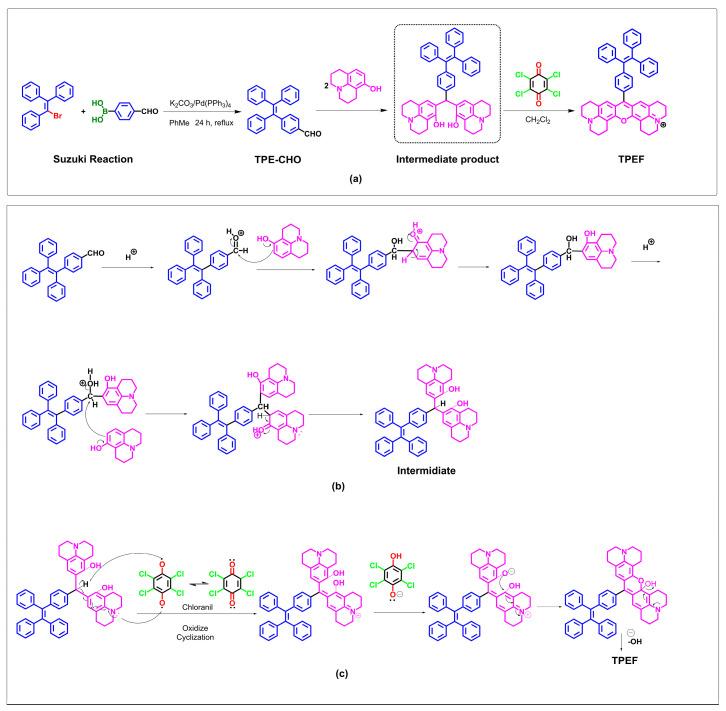
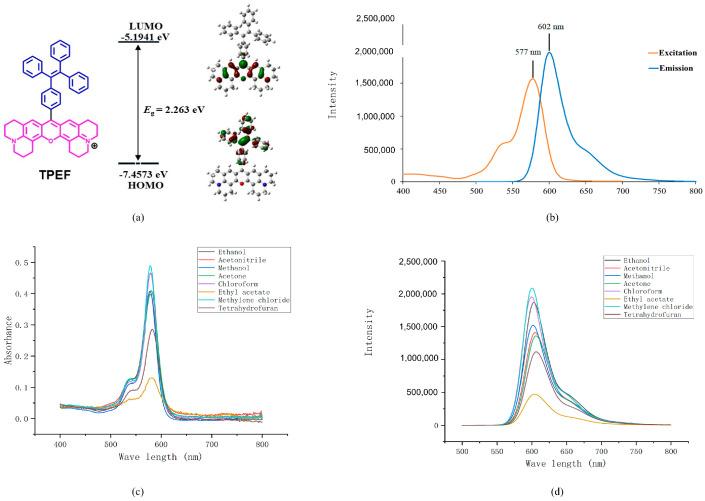
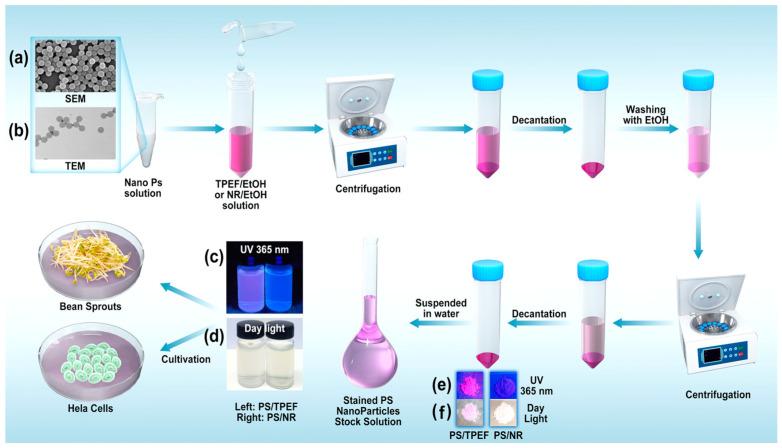
In the domain of environmental science, pollutants of nanoscale plastic dimensions are acknowledged as subjects of intricate significance. Such entities, though minuscule, present formidable challenges to ecological systems and human health. The diminutive dimensions of these contaminants render their detection arduous, thus demanding the inception of avant-garde methodologies. The present manuscript postulates the employment of the tetraphenylethylene functional group with a fused xanthene (TPEF), a distinguished fluorophore, as an exemplary system for the discernment of nanoplastic particulates. The synthesis and characterization of TPEF have been exhaustively elucidated, revealing its paramount fluorescence attributes and inherent affinity for interaction with nanoplastics. When subjected to comparison with TPEF, nanoplastics are observed to manifest a more pronounced fluorescent luminescence than when associated with the conventional Nile Red (NR). Particularly, the TPEF has shown exceptional affinity for polystyrene (PS) nanoplastics. Further, the resilience of nanoplastics within the hypocotyl epidermis of soybeans, as well as their persistence in mung bean sprouts subsequent to rigorous rinsing protocols, has been meticulously examined. Additionally, this investigation furnishes empirical data signifying the existence of nano-dimensional plastic contaminants within HeLa cellular structures. The urgency of addressing the environmental ramifications engendered by these diminutive yet potent plastic constituents is emphatically highlighted in this manuscript. TPEF paves the way for prospective explorations, with the aspiration of devising efficacious mitigation strategies. Such strategies might encompass delineating the trajectories undertaken by nanoplastics within trophic networks or their ingress into human cellular architectures.
在环境科学领域,纳米级塑料污染物被认为是具有复杂意义的课题。这些微小的污染物虽然体积微小,但对生态系统和人类健康构成了巨大的挑战。这些污染物的微小尺寸使得它们的检测变得困难,因此需要引入先进的方法。本文提出使用四苯乙烯功能基团与融合香豆素(TPEF),一种杰出的荧光团,作为识别纳米塑料颗粒的典型系统。TPEF 的合成和表征已经得到了详尽的阐述,揭示了它卓越的荧光特性和与纳米塑料相互作用的固有亲和力。与 TPEF 相比,纳米塑料表现出更明显的荧光发光,而与传统的尼罗红(NR)相比则更为明显。特别是,TPEF 对聚苯乙烯(PS)纳米塑料表现出特殊的亲和力。此外,还仔细研究了纳米塑料在大豆下胚轴表皮内的弹性以及在严格冲洗方案后在绿豆芽中的持久性。此外,这项研究提供了实证数据,表明 HeLa 细胞结构中存在纳米级塑料污染物。本文强调了迫切需要解决这些微小但强大的塑料成分所带来的环境影响。TPEF 为未来的探索铺平了道路,以期制定有效的缓解策略。这些策略可能包括描绘纳米塑料在营养网络中的轨迹或它们进入人类细胞结构的途径。




 Zotero 插件