
人非小细胞肺癌-鸡胚尿囊膜肿瘤模型在实验性癌症治疗中的应用。
Human Non-Small Cell Lung Cancer-Chicken Embryo Chorioallantoic Membrane Tumor Models for Experimental Cancer Treatments.
机构信息
Amsterdam UMC Location Vrije Universiteit Amsterdam, Medical Oncology, De Boelelaan 1117, 1081 HV Amsterdam, The Netherlands.
Cancer Center Amsterdam, Cancer Biology and Immunology, Amsterdam, The Netherlands.
出版信息
Int J Mol Sci. 2023 Oct 21;24(20):15425. doi: 10.3390/ijms242015425.
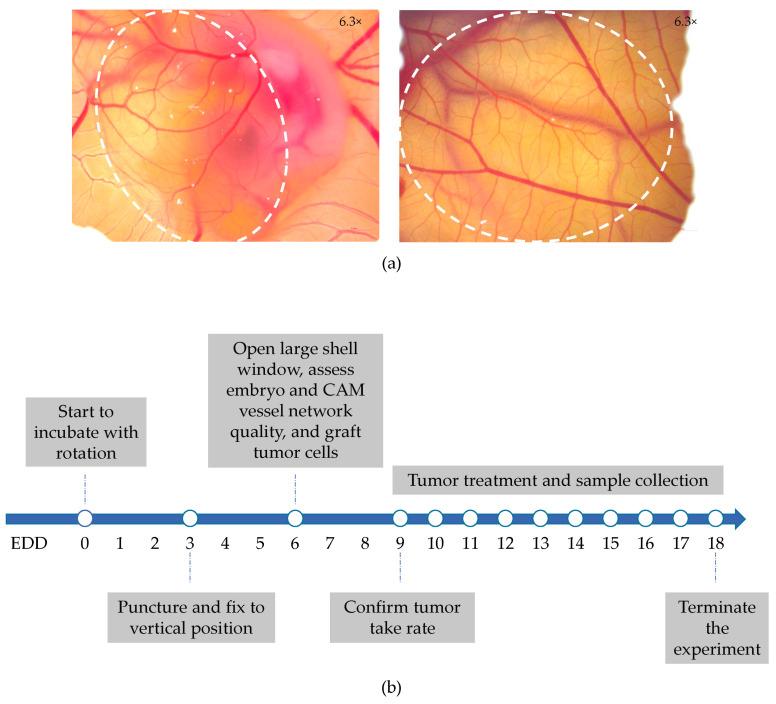
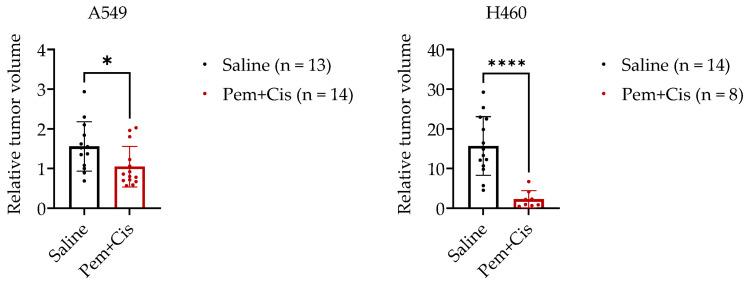
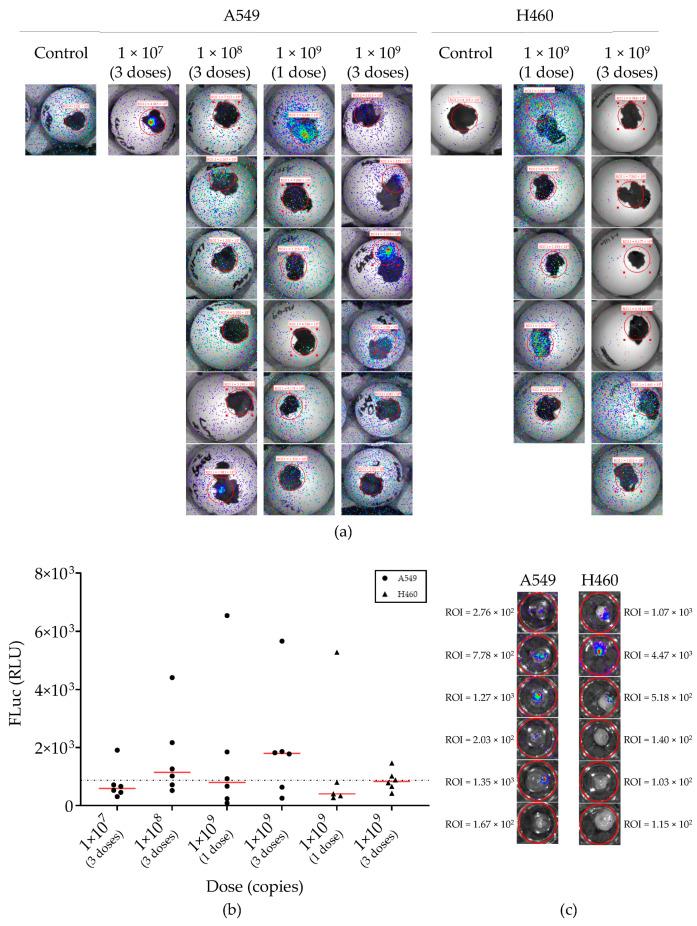
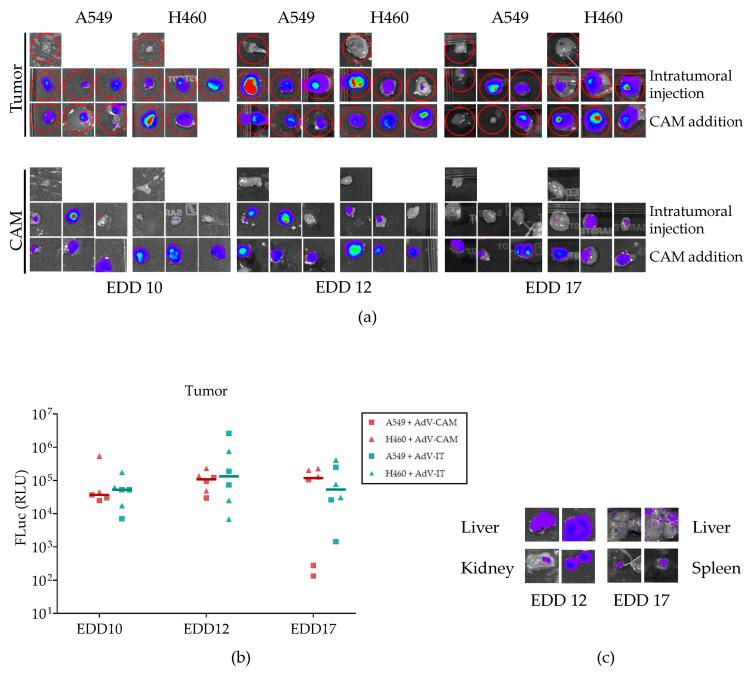
To promote the preclinical development of new treatments for non-small cell lung cancer (NSCLC), we established NSCLC xenograft tumor assays on the chorioallantoic membrane (CAM) of chicken embryos. Five NSCLC cell lines were compared for tumor take rate, tumor growth, and embryo survival. Two of these, A549 and H460 CAM tumors, were histologically characterized and tested for susceptibility to systemic chemotherapy and gene delivery using viral vectors. All cell lines were efficiently engrafted with minimal effect on embryo survival. The A549 cells formed slowly growing tumors, with a relatively uniform distribution of cancer cells and stroma cells, while the H460 cells formed large tumors containing mostly proliferating cancer cells in a bed of vascularized connective tissue. Tumor growth was inhibited via systemic treatment with Pemetrexed and Cisplatin, a chemotherapy combination that is often used to treat patients with advanced NSCLC. Lentiviral and adenoviral vectors expressing firefly luciferase transduced NSCLC tumors in vivo. The adenovirus vector yielded more than 100-fold higher luminescence intensities after a single administration than could be achieved with multiple lentiviral vector deliveries. The adenovirus vector also transduced CAM tissue and organs of developing embryos. Adenovirus delivery to tumors was 100-10,000-fold more efficient than to embryo organs. In conclusion, established human NSCLC-CAM tumor models provide convenient in vivo assays to rapidly evaluate new cancer therapies, particularly cancer gene therapies.
为了促进非小细胞肺癌(NSCLC)新疗法的临床前开发,我们在鸡胚的尿囊膜(CAM)上建立了 NSCLC 异种移植肿瘤模型。比较了 5 种 NSCLC 细胞系的肿瘤接种率、肿瘤生长和胚胎存活率。其中两种,A549 和 H460 CAM 肿瘤,进行了组织学特征分析,并测试了对全身化疗和基因传递的敏感性,使用病毒载体。所有细胞系均有效地接种,对胚胎存活率影响最小。A549 细胞形成生长缓慢的肿瘤,癌细胞和基质细胞分布相对均匀,而 H460 细胞形成大肿瘤,其中主要是增殖的癌细胞,位于血管化结缔组织床上。通过全身给予培美曲塞和顺铂治疗抑制肿瘤生长,培美曲塞和顺铂是一种常用于治疗晚期 NSCLC 患者的化疗联合用药。表达萤火虫荧光素酶的慢病毒和腺病毒载体在体内转导 NSCLC 肿瘤。单次给予腺病毒载体后,发光强度比多次给予慢病毒载体高 100 多倍。腺病毒载体还转导了 CAM 组织和发育中的胚胎器官。与胚胎器官相比,腺病毒对肿瘤的转导效率高 100-10000 倍。总之,已建立的人 NSCLC-CAM 肿瘤模型为快速评估新的癌症疗法,特别是癌症基因疗法,提供了便利的体内检测方法。




 Zotero 插件