
低细胞外镁诱导 C2C12 衍生肌管的表型和代谢改变。
Low extracellular magnesium induces phenotypic and metabolic alterations in C2C12-derived myotubes.
机构信息
Department of Biomedical and Clinical Sciences, Università di Milano, 20157, Milano, Italy.
出版信息
Sci Rep. 2023 Nov 8;13(1):19425. doi: 10.1038/s41598-023-46543-9.
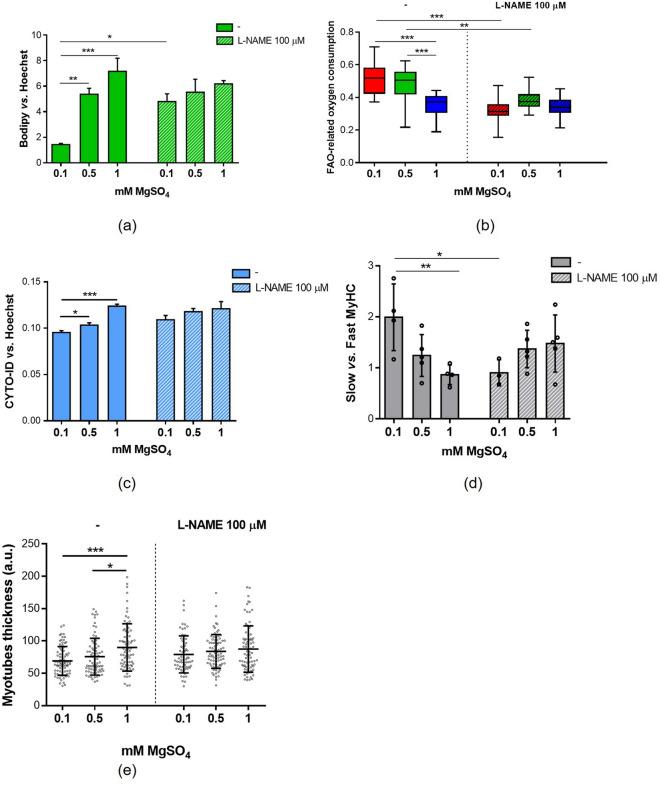
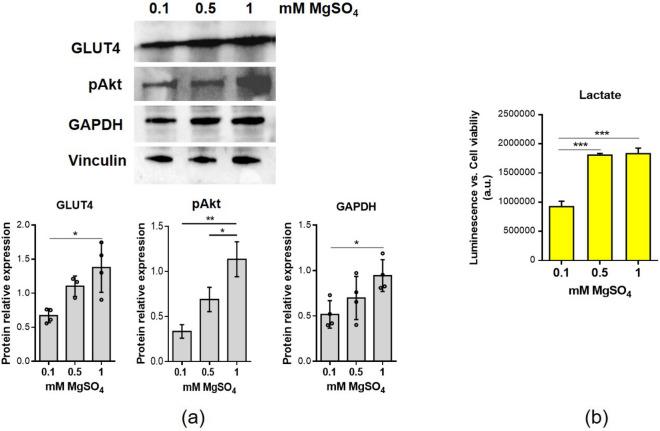
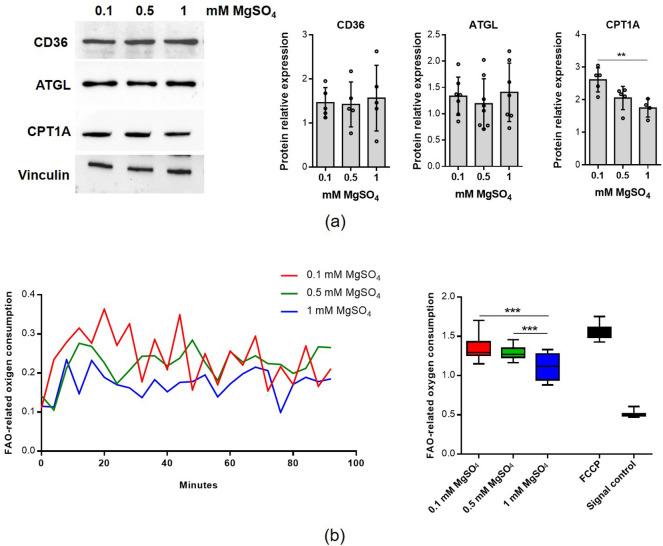
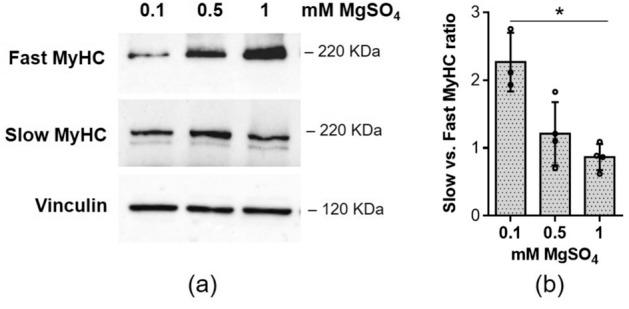
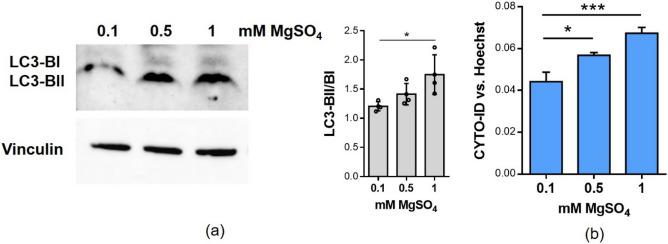
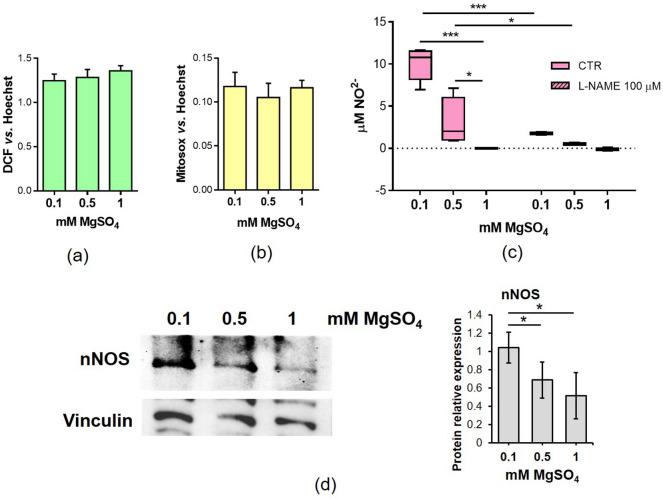
Magnesium (Mg) has a pivotal role in upholding skeletal muscle health and optimizing performance. Its deficiency decreases muscle strength, and an association has been reported between Mg intake and sarcopenia. To gain a comprehensive understanding of the repercussions arising from low Mg concentrations on muscle behavior, we employed an in vitro model utilizing C2C12-derived myotubes. Myotubes cultured in low Mg show a significant reduction of thickness and a concomitant down-regulation of myosin heavy chain (MyHC), Myog and Myomixer. In parallel, myotubes shape their metabolism. Glycolysis is inhibited and beta-oxidation increases. These metabolic changes are consistent with the increase of MyHC I (slow) vs. MyHC II (fast) expression. We identified an essential player in these changes, namely nitric oxide (NO), as the increase in NO production appeared to orchestrate the observed modifications in myotube behavior and metabolism under low Mg conditions. Understanding these underlying mechanisms may pave the way for targeted interventions to ameliorate muscle-related conditions associated with Mg deficiency and contribute to enhancing overall muscle health and function.
镁(Mg)在维持骨骼肌健康和优化运动表现方面起着关键作用。镁缺乏会降低肌肉力量,并且已经有研究报道镁摄入量与肌肉减少症之间存在关联。为了全面了解低镁浓度对肌肉行为的影响,我们使用了一种基于 C2C12 衍生的肌管的体外模型。在低镁环境中培养的肌管厚度显著减小,同时肌球蛋白重链(MyHC)、Myog 和 Myomixer 的表达下调。此外,肌管还会改变其代谢方式。糖酵解受到抑制,β-氧化增加。这些代谢变化与 MyHC I(慢)与 MyHC II(快)表达的增加一致。我们发现了一个在这些变化中起关键作用的物质,即一氧化氮(NO),因为 NO 产生的增加似乎协调了低镁条件下肌管行为和代谢的观察到的变化。了解这些潜在机制可能为改善与镁缺乏相关的肌肉相关疾病提供有针对性的干预措施,并有助于增强整体肌肉健康和功能。


 Zotero 插件