
基于计算机的 SFRP4 新型植物化学物质靶点的鉴定:糖尿病肥胖的早期生物标志物。
In Silico identification of novel phytochemicals that target SFRP4: An early biomarker of diabesity.
机构信息
Department of Biochemistry, Government College University Faisalabad, Faisalabad, Pakistan.
Department of Chemistry, Government College University Faisalabad, Faisalabad, Pakistan.
出版信息
PLoS One. 2023 Nov 9;18(11):e0292155. doi: 10.1371/journal.pone.0292155. eCollection 2023.
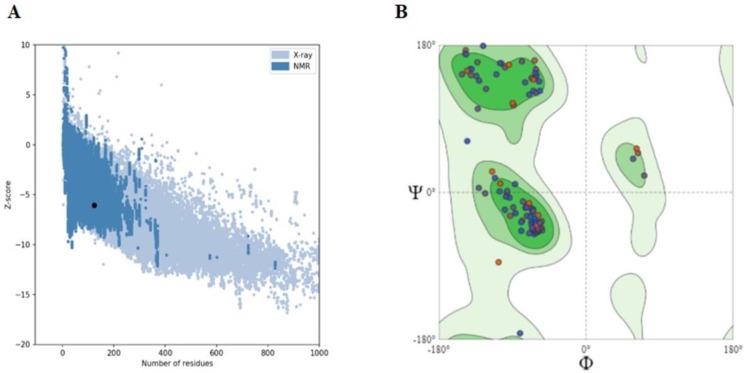
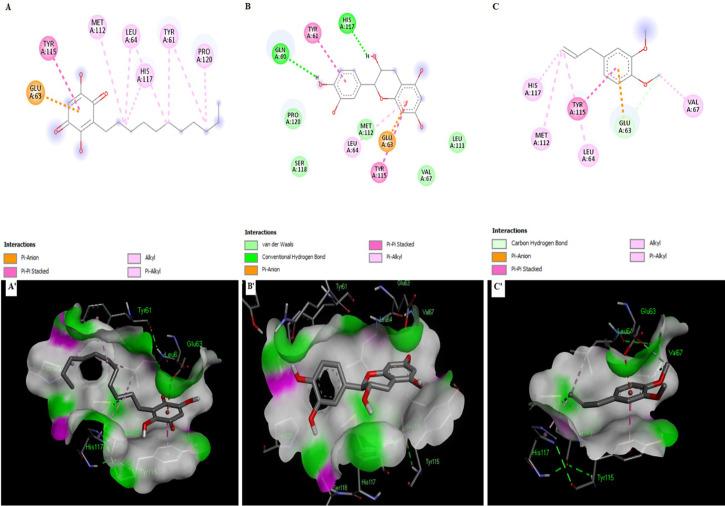
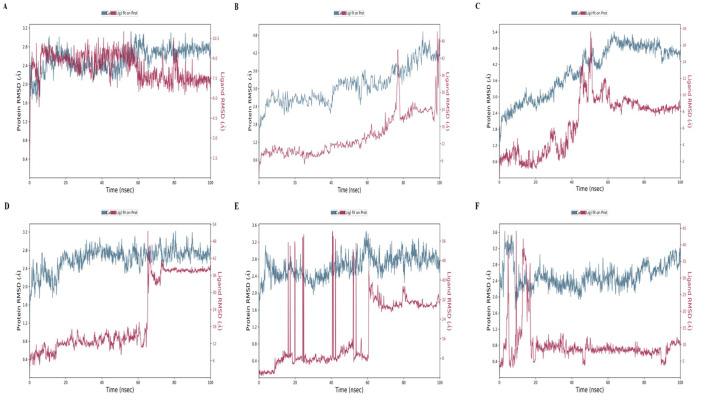
The simultaneous coexistence of complicated metabolic conditions like obesity and diabetes within an individual is known as diabesity. Obesity is the key factor for many chronic diseases, including insulin resistance and type 2 diabetes (T2D). Metabolic stress due to nutrient overload releases different inflammatory mediators. Secreted frizzled-related protein 4 (SFRP4) is also an inflammatory mediator that impairs insulin secretion. SFRP4 acts as an early biomarker for diabesity expressed with interleukin-1 beta (IL-1β) in the adipose tissues that hinder the exocytosis of insulin-secreting granules from the pancreatic β-cells and is a potential target for preserving β-cell dysfunction and the diabesity treatment. The current study aimed to screen potential bioactive compounds targeting and inhibiting the diabesity-linked SFRP4 protein through an in silico approach. The three-dimensional (3D) structure of human SFRP4 was predicted through comparative modeling techniques and evaluated by various online bioinformatics tools. The molecular docking and MD simulation investigations were carried out against phytochemicals with anti-diabetic and anti-obesity properties to shortlist the best SFRP4 inhibitor. Hesperetin, Curcumin, Isorhamnetin, Embelin, Epicatechin, and Methyl Eugenol interacted strongly with SFRP4 by displaying zero RMSD and binding affinities of -6.5, -6.4, -6.3, -5.3, -6.3 and -5.8 kcal/mol respectively. Additionally, the root mean square fluctuation and root mean square deviation graphs from the MD simulation results demonstrated that hesperetin has good variations throughout the simulation period as compared to others. This dynamic stability and control behavior of hesperetin, when it interacts with SFRP4, shows that it has the potential to modulate the function and activity of the protein. Therefore, hesperetin is identified as an effective and top drug candidate through this analysis for preserving beta-cell function and treating diabesity by targeting SFRP4. The findings of this study could be useful in the design and development of diabesity drugs.
个体同时存在肥胖和糖尿病等复杂代谢状况被称为糖脂病。肥胖是许多慢性疾病的关键因素,包括胰岛素抵抗和 2 型糖尿病(T2D)。营养物质过载引起的代谢应激会释放出不同的炎症介质。卷曲相关蛋白 4(SFRP4)也是一种炎症介质,可损害胰岛素分泌。SFRP4 作为一种早期生物标志物,与脂肪组织中的白细胞介素-1β(IL-1β)共同表达,阻碍胰岛素分泌颗粒从胰腺β细胞中出胞,是保护β细胞功能和治疗糖脂病的潜在靶点。本研究旨在通过计算方法筛选针对与糖脂病相关的 SFRP4 蛋白的潜在生物活性化合物。通过比较建模技术预测人 SFRP4 的三维(3D)结构,并通过各种在线生物信息学工具进行评估。针对具有抗糖尿病和抗肥胖特性的植物化学物质进行分子对接和 MD 模拟研究,以筛选最佳的 SFRP4 抑制剂。橙皮苷、姜黄素、异鼠李素、杨梅素、表儿茶素和甲基丁香酚与 SFRP4 强烈相互作用,显示出零 RMSD 和 -6.5、-6.4、-6.3、-5.3、-6.3 和 -5.8 kcal/mol 的结合亲和力。此外,从 MD 模拟结果的均方根波动和均方根偏差图可以看出,与其他物质相比,橙皮苷在整个模拟过程中具有良好的变化。与 SFRP4 相互作用时,橙皮苷的这种动态稳定性和控制行为表明,它有可能调节蛋白质的功能和活性。因此,通过这种分析,橙皮苷被确定为一种有效的候选药物,可通过靶向 SFRP4 来保护β细胞功能并治疗糖脂病。本研究的结果可用于设计和开发糖脂病药物。





 Zotero 插件