
核转运蛋白:结构、功能与疾病相关性
Nuclear transport proteins: structure, function, and disease relevance.
机构信息
Department of Pulmonary and Critical Care Medicine, Sichuan Provincial People's Hospital, School of Medicine, University of Electronic Science and Technology of China, Chengdu, China.
The Key Laboratory for Human Disease Gene Study of Sichuan Province and Department of Laboratory Medicine, Sichuan Academy of Medical Sciences & Sichuan Provincial People's Hospital, University of Electronic Science and Technology of China, Chengdu, China.
出版信息
Signal Transduct Target Ther. 2023 Nov 10;8(1):425. doi: 10.1038/s41392-023-01649-4.
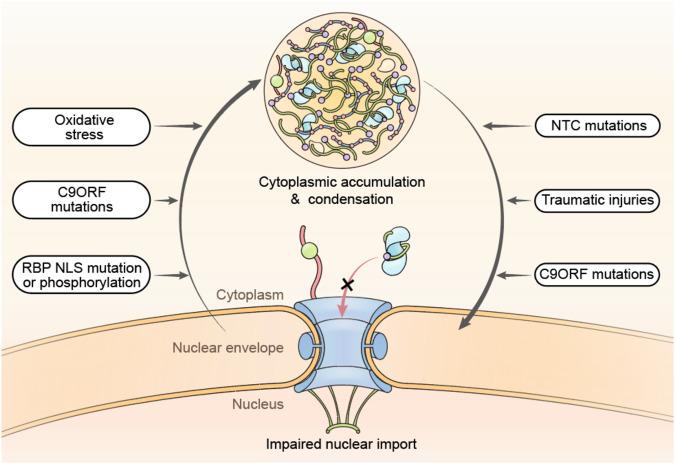
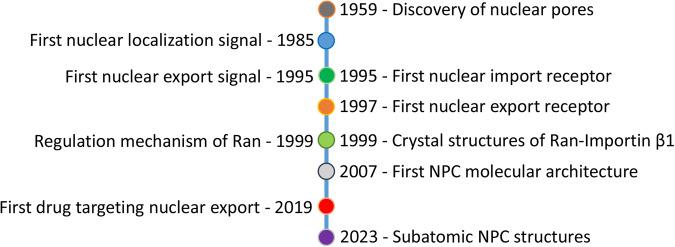
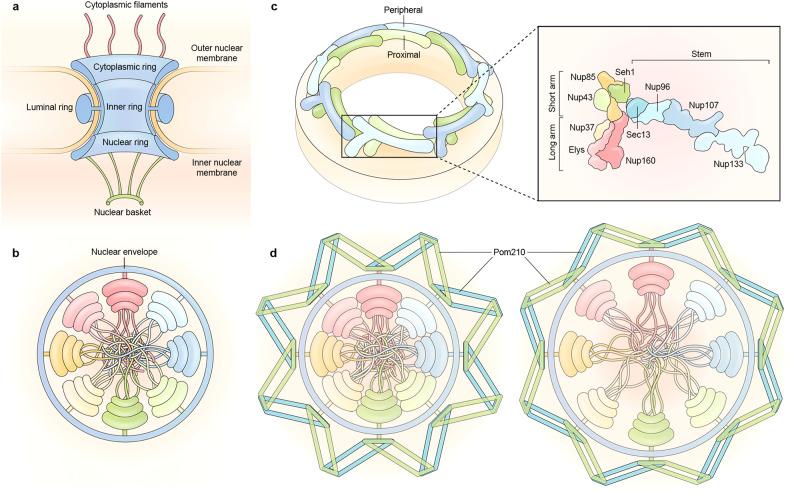
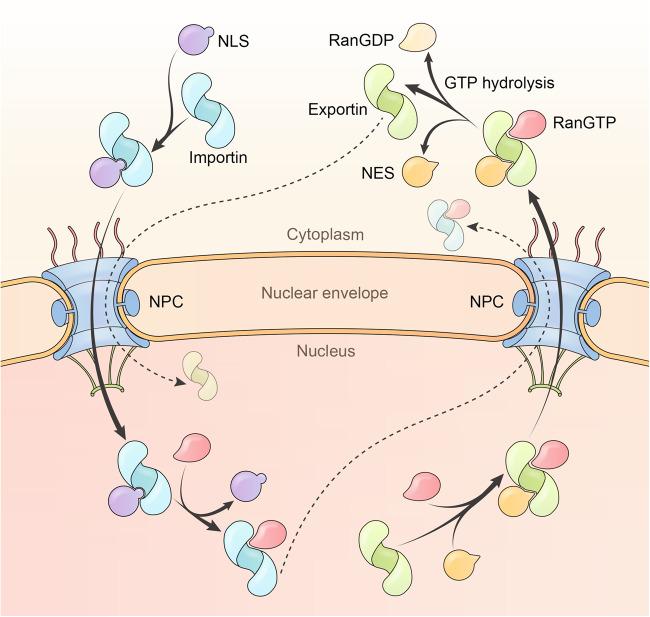
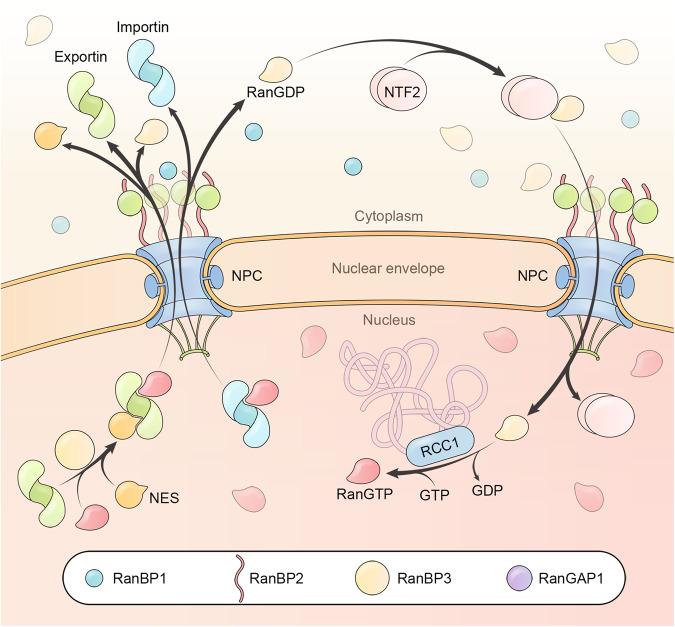
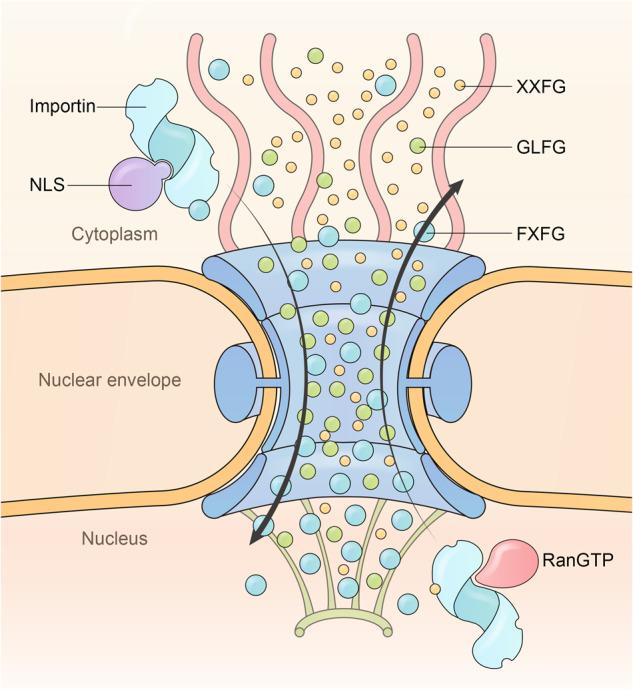
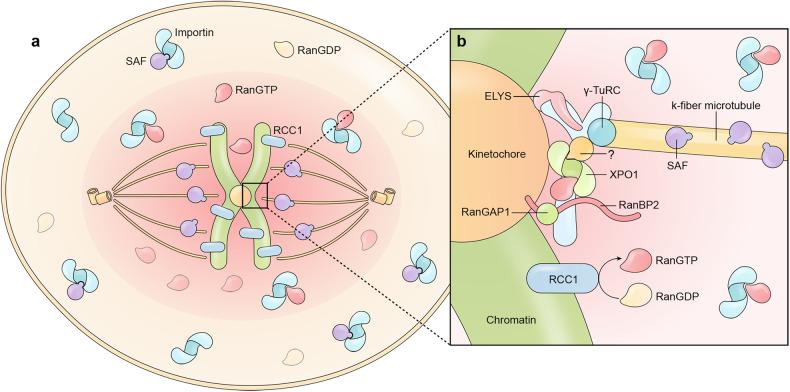
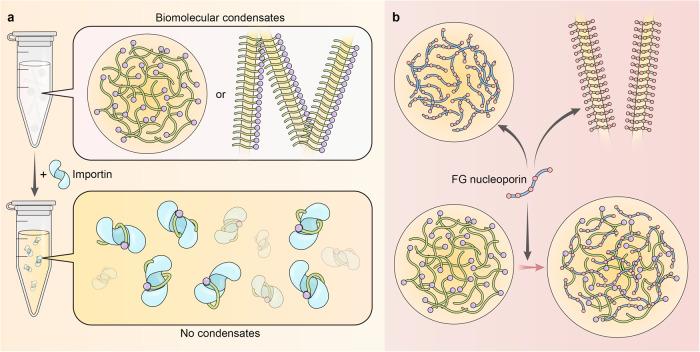
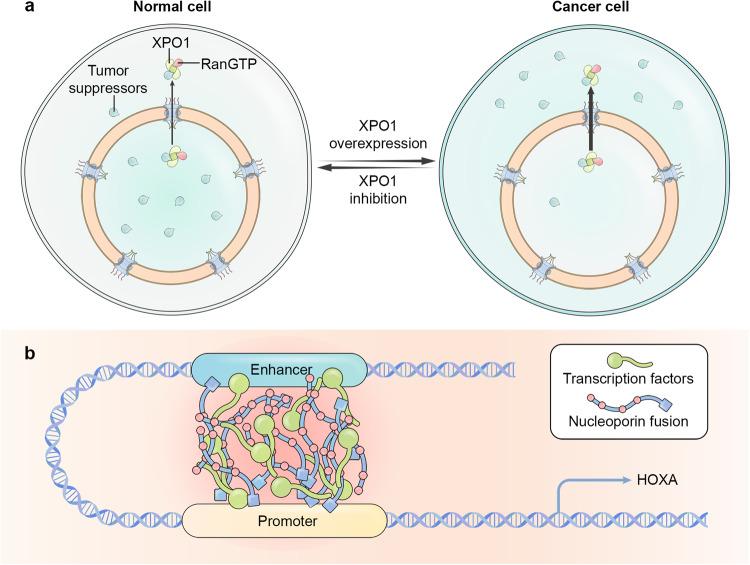
Proper subcellular localization is crucial for the functioning of biomacromolecules, including proteins and RNAs. Nuclear transport is a fundamental cellular process that regulates the localization of many macromolecules within the nuclear or cytoplasmic compartments. In humans, approximately 60 proteins are involved in nuclear transport, including nucleoporins that form membrane-embedded nuclear pore complexes, karyopherins that transport cargoes through these complexes, and Ran system proteins that ensure directed and rapid transport. Many of these nuclear transport proteins play additional and essential roles in mitosis, biomolecular condensation, and gene transcription. Dysregulation of nuclear transport is linked to major human diseases such as cancer, neurodegenerative diseases, and viral infections. Selinexor (KPT-330), an inhibitor targeting the nuclear export factor XPO1 (also known as CRM1), was approved in 2019 to treat two types of blood cancers, and dozens of clinical trials of are ongoing. This review summarizes approximately three decades of research data in this field but focuses on the structure and function of individual nuclear transport proteins from recent studies, providing a cutting-edge and holistic view on the role of nuclear transport proteins in health and disease. In-depth knowledge of this rapidly evolving field has the potential to bring new insights into fundamental biology, pathogenic mechanisms, and therapeutic approaches.
正确的亚细胞定位对于生物大分子(包括蛋白质和 RNA)的功能至关重要。核运输是一种基本的细胞过程,可调节许多大分子在核或细胞质隔室中的定位。在人类中,大约有 60 种蛋白质参与核运输,包括形成膜嵌入式核孔复合物的核孔蛋白、通过这些复合物运输货物的核载体蛋白以及确保定向和快速运输的 Ran 系统蛋白。这些核运输蛋白中的许多在有丝分裂、生物分子凝聚和基因转录中具有额外的和基本的作用。核运输的失调与重大人类疾病有关,如癌症、神经退行性疾病和病毒感染。Selinexor(KPT-330)是一种针对核输出因子 XPO1(也称为 CRM1)的抑制剂,于 2019 年被批准用于治疗两种类型的血液癌,目前正在进行数十项临床试验。这篇综述总结了该领域约三十年的研究数据,但重点关注了最近研究中单个核运输蛋白的结构和功能,为核运输蛋白在健康和疾病中的作用提供了前沿和全面的观点。深入了解这个快速发展的领域有可能为基础生物学、发病机制和治疗方法带来新的见解。
 Zotero 插件