
聚集的亨德拉病毒C蛋白激活NLRP3炎性小体以诱导炎症。
Aggregated Hendra virus C-protein activates the NLRP3 inflammasome to induce inflammation.
作者信息
Barry Kristian, Harpur Christopher, Lam Maggie, Tate Michelle D, Mansell Ashley
机构信息
Centre for Innate Immunity and Infectious Diseases, Hudson Institute of Medical Research, Clayton, VIC, Australia.
Department of Molecular and Translational Sciences, Monash University, Clayton, VIC, Australia.
出版信息
J Inflamm (Lond). 2023 Nov 10;20(1):38. doi: 10.1186/s12950-023-00365-8.
BACKGROUND
Hendra virus is an emerging virus with a geographically broad host reservoir. In humans, Hendra virus causes excessive inflammatory disease of the lung and nervous system. Our current understanding as to how Hendra virus or what factors induce inflammation is limited and as such, there are currently no therapeutic options available for patients who contract Hendra virus. Recent studies have identified viral aggregating proteins as drivers of inflammation in influenza A virus and SARS-CoV-2 virus. In this study, we sought to identify potential aggregating Hendra virus proteins as proof-of-concept that inflammasome activation may induce inflammation and contribute to disease pathology.
RESULTS
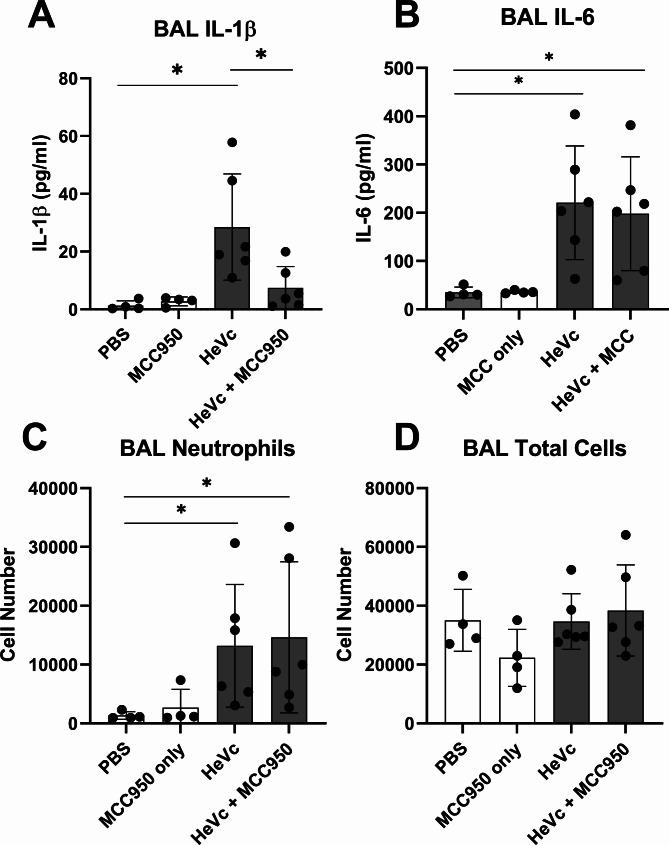
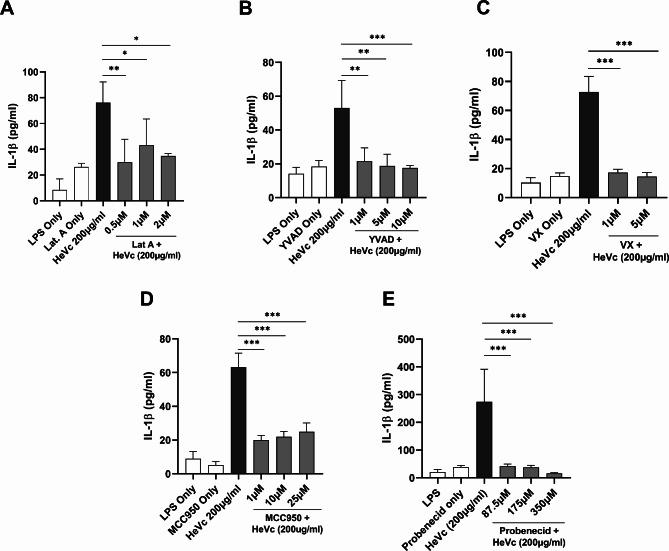
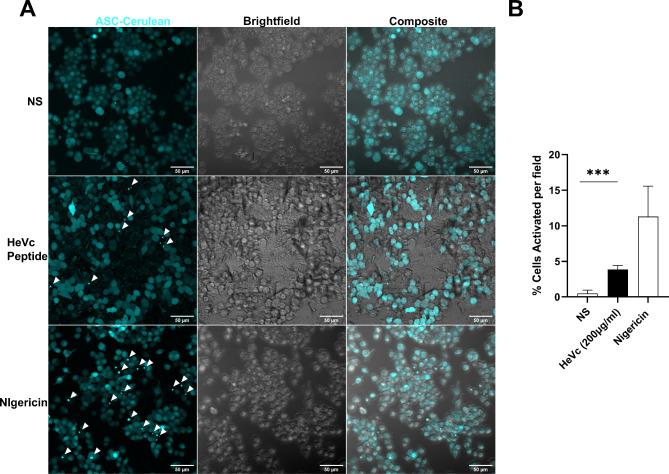
Here, we have identified that a peptide analogue of Hendra virus C protein (termed HeVc) forms aggregates and activates the NLRP3 inflammasome through phagocytic uptake into cells in vitro. Treatment of cells with the specific NLRP3 inhibitor MCC950 ameliorated IL-1β secretion responses in vitro. Critically, in vivo intranasal inoculation of mice with aggregated HeVc peptide induced pulmonary inflammation, suggesting HeVc may drive immunopathology during infection. Importantly, mice treated with MCC950 demonstrated reduced IL-1β secretion into the bronchoalveolar space, highlighting the role of NLRP3 in host HeV infections and a potential therapeutic strategy to reduce disease pathology.
CONCLUSION
Taken together, these results identify Hendra virus C protein as a possible contributor to immunopathology during Hendra virus infections. Importantly, these studies highlight a potential role for NLRP3 in driving disease-associated inflammation, critically identifying a possible therapeutic strategy to alleviate disease-associated inflammation of infected patients through targeting of the NLRP3 inflammasome.
背景
亨德拉病毒是一种新兴病毒,其宿主储库分布广泛。在人类中,亨德拉病毒会引发肺部和神经系统的过度炎症性疾病。我们目前对亨德拉病毒如何或哪些因素诱导炎症的理解有限,因此,目前对于感染亨德拉病毒的患者没有可用的治疗选择。最近的研究已确定病毒聚集蛋白是甲型流感病毒和严重急性呼吸综合征冠状病毒2(SARS-CoV-2)病毒炎症的驱动因素。在本研究中,我们试图鉴定潜在的亨德拉病毒聚集蛋白,以证明炎性小体激活可能诱导炎症并导致疾病病理变化。
结果
在此,我们已确定亨德拉病毒C蛋白的一种肽类似物(称为HeVc)会形成聚集体,并通过体外吞噬进入细胞激活NLRP3炎性小体。用特异性NLRP3抑制剂MCC950处理细胞可改善体外白细胞介素-1β(IL-1β)分泌反应。至关重要的是,用聚集的HeVc肽对小鼠进行体内鼻内接种会诱发肺部炎症,这表明HeVc可能在感染期间驱动免疫病理变化。重要的是,用MCC950处理的小鼠支气管肺泡空间中的IL-1β分泌减少,突出了NLRP3在宿主亨德拉病毒感染中的作用以及减少疾病病理变化的潜在治疗策略。
结论
综上所述,这些结果确定亨德拉病毒C蛋白可能是亨德拉病毒感染期间免疫病理变化的一个促成因素。重要的是,这些研究突出了NLRP3在驱动疾病相关炎症中的潜在作用,关键是确定了一种可能的治疗策略,即通过靶向NLRP3炎性小体来减轻感染患者的疾病相关炎症。



 Zotero 插件