
衰老的分子与细胞机制:现代知识(文献综述)
[Molecular and cellular mechanisms of ageing: modern knowledge (literature review)].
作者信息
Mikheev R K, Andreeva E N, Grigoryan O R, Sheremetyeva E V, Absatarova Yu S, Odarchenko A S, Opletaeva O N
机构信息
Endocrinology Research Centre.
Endocrinology Research Centre; Moscow State University of Medicine and Dentistry of A.I. Evdokimov.
出版信息
Probl Endokrinol (Mosk). 2023 Nov 11;69(5):45-54. doi: 10.14341/probl13278.
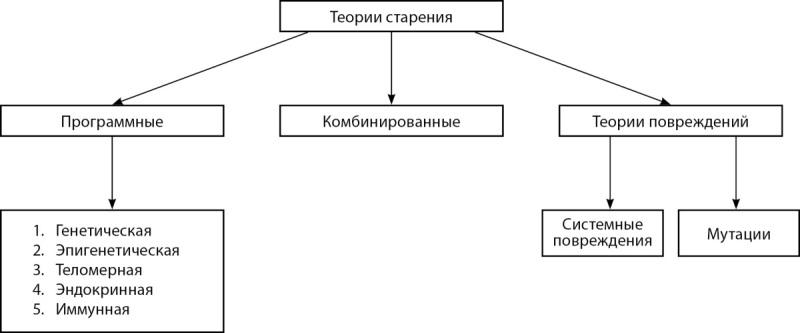
Ageing (as known as eldering, senescence) is a genetically and epigenetically programmed pathophysiological process. Velocity of biological ageing is defined as balance between alteration and reparation of body structures. According to last World Health Organization (WHO) highlights ageing still stays an extremely actual scientific, social and demographic problem: in 2020 total number of people older than 60 years and older was 1 billion people; in 2030 future number may be 1,4 billion people, in 2050 - 2,1 billion people. Absence of single universal theory of aging nowadays is reason for scientifical and clinical collaboration between biologists and doctors, including endocrinologists. Designing of potentially effective newest anti-ageing strategies (such as natural/synthetic telomerase regulators, mesenchymal stem cells etc.) is of interest to scientific community. The aim of present article is a review of modern omics (genomic, proteomic, metabolomic) ageing mechanisms, potential ways of targeted prevention and treatment of age-related disease according to conception of personalized medicine. Present review is narrative, it does not lead to systematic review, meta-analysis and does not aim to commercial advertisement. Review has been provided via PubMed article that have been published since 1979 until 2022.
衰老(也称为老化、衰老)是一种由基因和表观遗传编程的病理生理过程。生物衰老的速度被定义为身体结构改变与修复之间的平衡。根据世界卫生组织(WHO)的最新数据,衰老仍然是一个极其现实的科学、社会和人口问题:2020年,60岁及以上的人口总数为10亿;到2030年,这一数字可能达到14亿,到2050年将达到21亿。目前缺乏单一通用的衰老理论,这是生物学家和医生(包括内分泌学家)进行科学和临床合作的原因。设计潜在有效的最新抗衰老策略(如天然/合成端粒酶调节剂、间充质干细胞等)是科学界感兴趣的。本文的目的是根据个性化医学的概念,综述现代组学(基因组学、蛋白质组学、代谢组学)的衰老机制、针对性预防和治疗与年龄相关疾病的潜在方法。本综述属于叙述性综述,不进行系统评价、荟萃分析,也不旨在进行商业宣传。该综述通过检索1979年至2022年期间发表在PubMed上的文章完成。
 Zotero 插件