
遗传新生儿筛查和数字技术:基于双管齐下的方法缩短欧洲罕见病诊断路径的项目方案。
Genetic newborn screening and digital technologies: A project protocol based on a dual approach to shorten the rare diseases diagnostic path in Europe.
机构信息
Pfizer Inc., Collegeville, Pennsylvania, United States of America.
KPM Center for Public Management and Swiss Institute for Translational and Entrepreneurial Medicine, University of Bern, Bern, Switzerland.
出版信息
PLoS One. 2023 Nov 22;18(11):e0293503. doi: 10.1371/journal.pone.0293503. eCollection 2023.
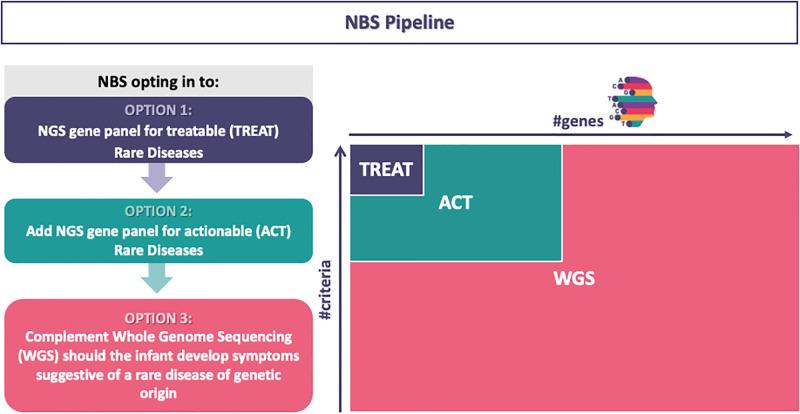
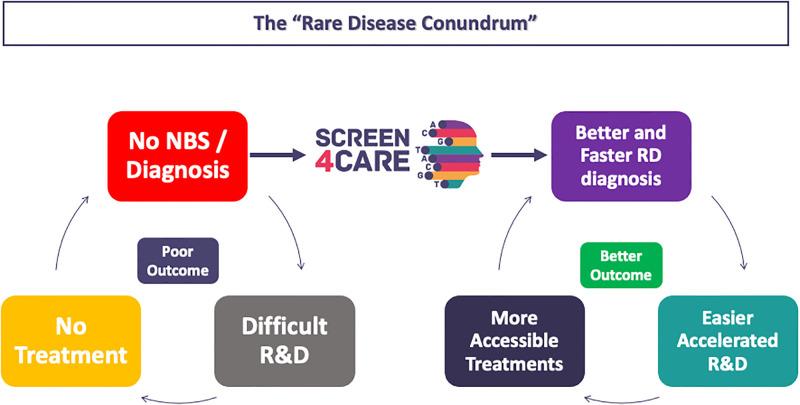
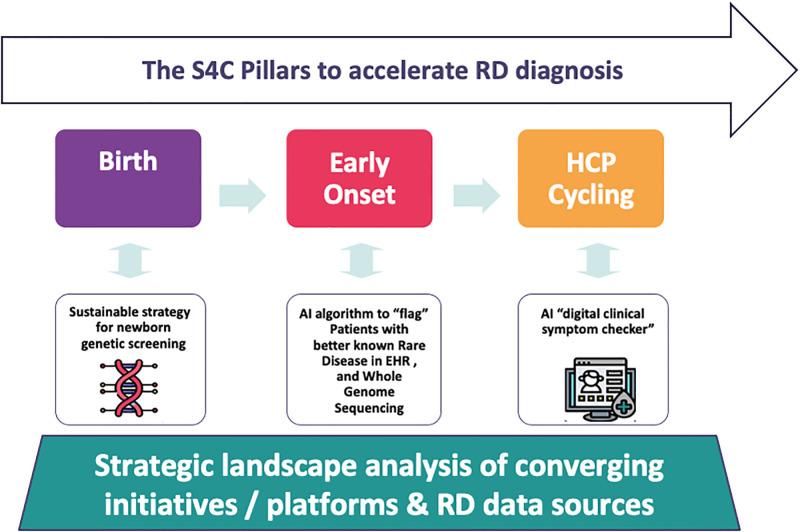
Since 72% of rare diseases are genetic in origin and mostly paediatrics, genetic newborn screening represents a diagnostic "window of opportunity". Therefore, many gNBS initiatives started in different European countries. Screen4Care is a research project, which resulted of a joint effort between the European Union Commission and the European Federation of Pharmaceutical Industries and Associations. It focuses on genetic newborn screening and artificial intelligence-based tools which will be applied to a large European population of about 25.000 infants. The neonatal screening strategy will be based on targeted sequencing, while whole genome sequencing will be offered to all enrolled infants who may show early symptoms but have resulted negative at the targeted sequencing-based newborn screening. We will leverage artificial intelligence-based algorithms to identify patients using Electronic Health Records (EHR) and to build a repository "symptom checkers" for patients and healthcare providers. S4C will design an equitable, ethical, and sustainable framework for genetic newborn screening and new digital tools, corroborated by a large workout where legal, ethical, and social complexities will be addressed with the intent of making the framework highly and flexibly translatable into the diverse European health systems.
由于 72%的罕见病具有遗传起源,且主要发生在儿科,因此新生儿遗传筛查代表了一种诊断的“机会之窗”。因此,许多新生儿遗传筛查计划在不同的欧洲国家启动。Screen4Care 是一个研究项目,由欧盟委员会和欧洲制药工业和协会联合会共同努力促成。它专注于遗传新生儿筛查和基于人工智能的工具,将应用于约 25000 名欧洲婴儿的大型欧洲人群。新生儿筛查策略将基于靶向测序,而全基因组测序将提供给所有出现早期症状但在基于靶向测序的新生儿筛查中结果为阴性的入组婴儿。我们将利用基于人工智能的算法,通过电子健康记录 (EHR) 识别患者,并为患者和医疗保健提供者构建“症状检查器”知识库。S4C 将为遗传新生儿筛查和新的数字工具设计一个公平、合乎伦理和可持续的框架,并进行大量的实践,以解决法律、伦理和社会复杂性问题,旨在使该框架能够高度灵活地转化为不同的欧洲卫生系统。
 Zotero 插件