
循环总细胞外囊泡货物与年龄相关的氧化应激及心血管疾病易感性相关:来自微阵列数据的探索性结果
Circulating Total Extracellular Vesicles Cargo Are Associated with Age-Related Oxidative Stress and Susceptibility to Cardiovascular Diseases: Exploratory Results from Microarray Data.
作者信息
Cechinel Laura Reck, Batabyal Rachael Ann, Blume Corssac Giana, Goldberg Madeleine, Harmon Brennan, Vallejos Virgínia Mendes Russo, Bruch Gisele E, Massensini André Ricardo, Belló-Klein Adriane, Araujo Alex Sander da Rosa, Freishtat Robert J, Siqueira Ionara Rodrigues
机构信息
Programa de Pós-Graduação em Ciências Biológicas: Fisiologia, Universidade Federal do Rio Grande do Sul, Porto Alegre 90035-003, RS, Brazil.
Center for Genetic Medicine Research, Children's National Research Institute, Washington, DC 20012, USA.
出版信息
Biomedicines. 2023 Oct 28;11(11):2920. doi: 10.3390/biomedicines11112920.
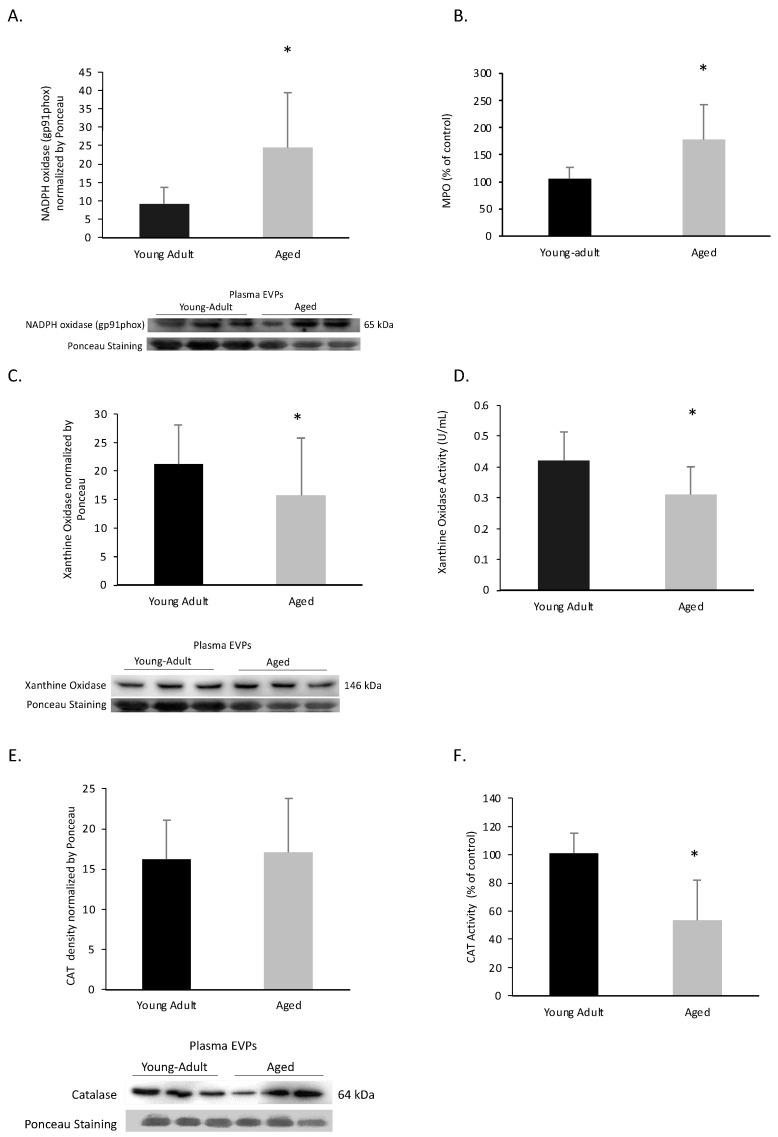
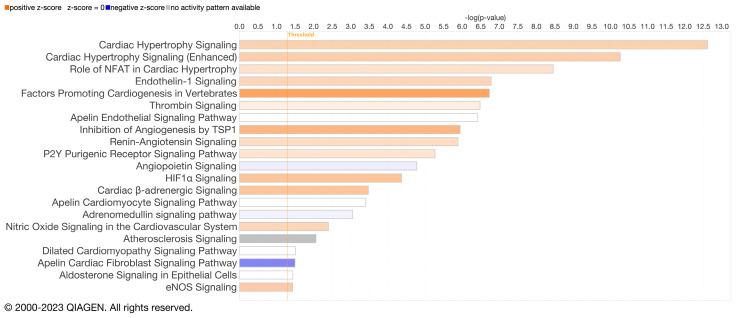
Aging is a risk factor for many non-communicable diseases such as cardiovascular and neurodegenerative diseases. Extracellular vesicles and particles (EVP) carry microRNAs that may play a role in age-related diseases and may induce oxidative stress. We hypothesized that aging could impact EVP miRNA and impair redox homeostasis, contributing to chronic age-related diseases. Our aims were to investigate the microRNA profiles of circulating total EVPs from aged and young adult animals and to evaluate the pro- and antioxidant machinery in circulating total EVPs. Plasma from 3- and 21-month-old male Wistar rats were collected, and total EVPs were isolated. MicroRNA isolation and microarray expression analysis were performed on EVPs to determine the predicted regulation of targeted mRNAs. Thirty-one mature microRNAs in circulating EVPs were impacted by age and were predicted to target molecules in canonical pathways directly related to cardiovascular diseases and oxidative status. Circulating total EVPs from aged rats had significantly higher NADPH oxidase levels and myeloperoxidase activity, whereas catalase activity was significantly reduced in EVPs from aged animals. Our data shows that circulating total EVP cargo-specifically microRNAs and oxidative enzymes-are involved in redox imbalance in the aging process and can potentially drive cardiovascular aging and, consequently, cardiac disease.
衰老是非传染性疾病(如心血管疾病和神经退行性疾病)的一个风险因素。细胞外囊泡和颗粒(EVP)携带的微小RNA可能在与年龄相关的疾病中发挥作用,并可能诱导氧化应激。我们假设衰老可能影响EVP微小RNA并损害氧化还原稳态,从而导致慢性年龄相关疾病。我们的目的是研究老年和年轻成年动物循环总EVP的微小RNA谱,并评估循环总EVP中的促氧化和抗氧化机制。收集3个月和21个月大的雄性Wistar大鼠的血浆,并分离出总EVP。对EVP进行微小RNA分离和微阵列表达分析,以确定靶向mRNA的预测调控。循环EVP中的31种成熟微小RNA受年龄影响,并预测靶向与心血管疾病和氧化状态直接相关的经典途径中的分子。老年大鼠循环总EVP的NADPH氧化酶水平和髓过氧化物酶活性显著更高,而老年动物EVP中的过氧化氢酶活性显著降低。我们的数据表明,循环总EVP中的货物特异性微小RNA和氧化酶参与了衰老过程中的氧化还原失衡,并可能潜在地推动心血管衰老,进而导致心脏病。



 Zotero 插件