
肿瘤发生发展中的癌胚重编程:癌症治疗的新见解
Oncofetal reprogramming in tumor development and progression: novel insights into cancer therapy.
作者信息
Cao Jiangjun, Zhang Zhe, Zhou Li, Luo Maochao, Li Lei, Li Bowen, Nice Edouard C, He Weifeng, Zheng Shaojiang, Huang Canhua
机构信息
West China School of Basic Medical Sciences and Forensic Medicine, and Department of Biotherapy Cancer Center and State Key Laboratory of Biotherapy, West China Hospital Sichuan University Chengdu China.
Zhejiang Provincial Key Laboratory of Pancreatic Disease the First Affiliated Hospital School of Medicine Zhejiang University Zhejiang China.
出版信息
MedComm (2020). 2023 Dec 2;4(6):e427. doi: 10.1002/mco2.427. eCollection 2023 Dec.
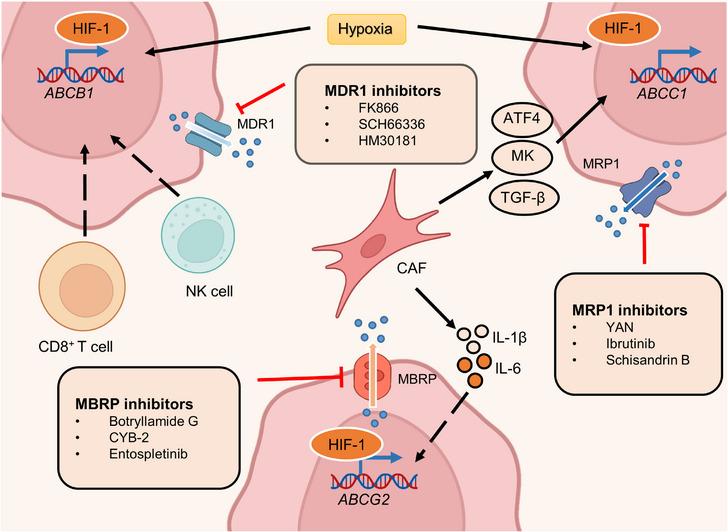
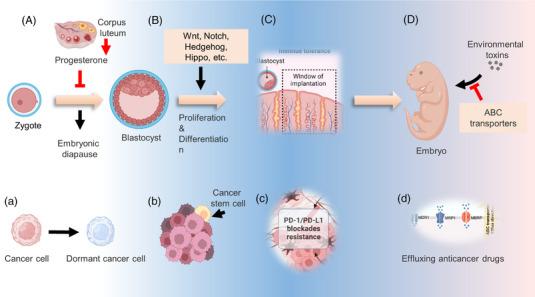
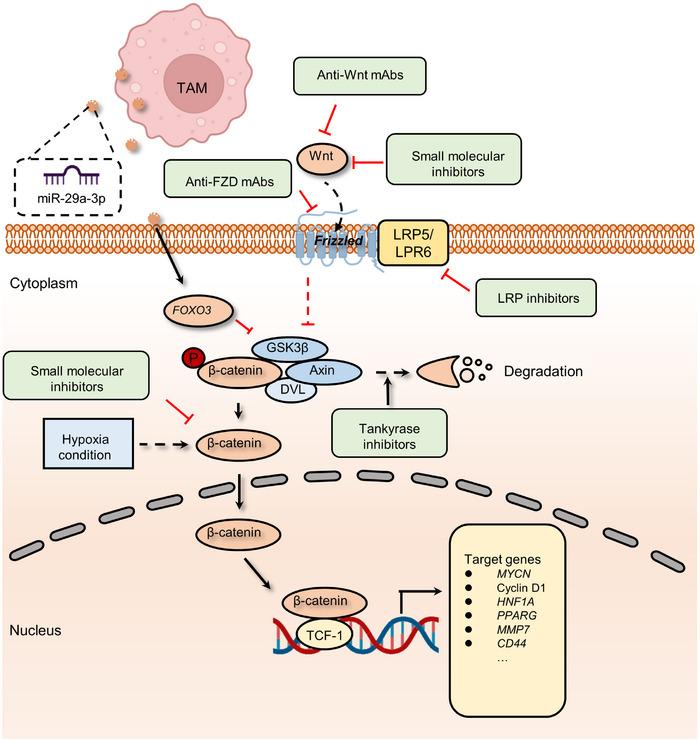
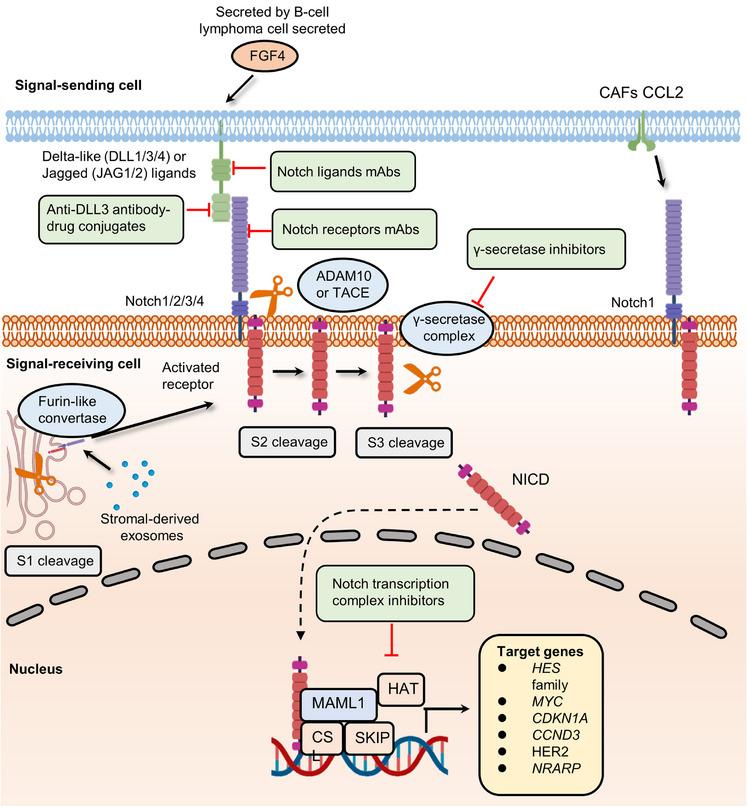
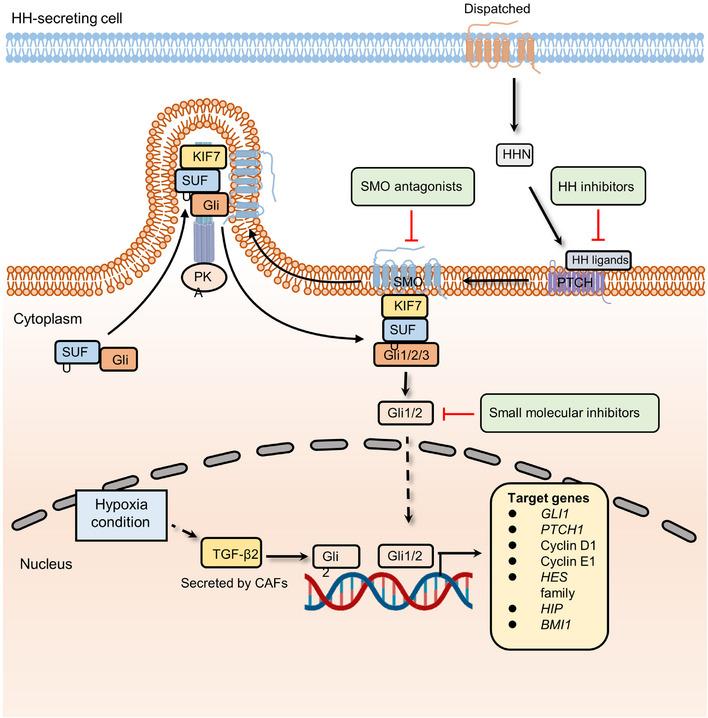
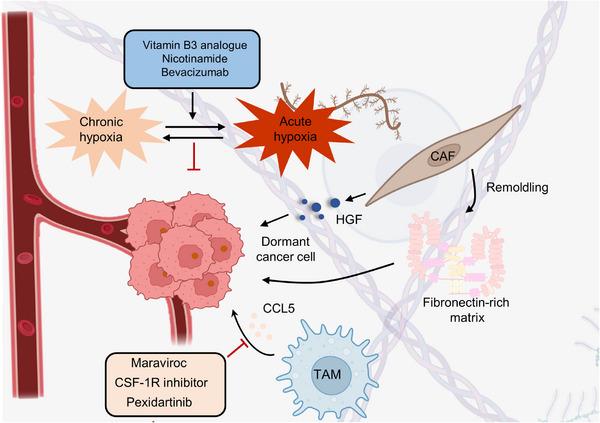
Emerging evidence indicates that cancer cells can mimic characteristics of embryonic development, promoting their development and progression. Cancer cells share features with embryonic development, characterized by robust proliferation and differentiation regulated by signaling pathways such as Wnt, Notch, hedgehog, and Hippo signaling. In certain phase, these cells also mimic embryonic diapause and fertilized egg implantation to evade treatments or immune elimination and promote metastasis. Additionally, the upregulation of ATP-binding cassette (ABC) transporters, including multidrug resistance protein 1 (MDR1), multidrug resistance-associated protein 1 (MRP1), and breast cancer-resistant protein (BCRP), in drug-resistant cancer cells, analogous to their role in placental development, may facilitate chemotherapy efflux, further resulting in treatment resistance. In this review, we concentrate on the underlying mechanisms that contribute to tumor development and progression from the perspective of embryonic development, encompassing the dysregulation of developmental signaling pathways, the emergence of dormant cancer cells, immune microenvironment remodeling, and the hyperactivation of ABC transporters. Furthermore, we synthesize and emphasize the connections between cancer hallmarks and embryonic development, offering novel insights for the development of innovative cancer treatment strategies.
新出现的证据表明,癌细胞可以模仿胚胎发育的特征,促进其发展和进展。癌细胞与胚胎发育具有共同特征,其特点是由Wnt、Notch、刺猬信号通路和Hippo信号通路等信号通路调节的强大增殖和分化。在某些阶段,这些细胞还模仿胚胎滞育和受精卵着床,以逃避治疗或免疫消除并促进转移。此外,耐药癌细胞中ATP结合盒(ABC)转运蛋白的上调,包括多药耐药蛋白1(MDR1)、多药耐药相关蛋白1(MRP1)和乳腺癌耐药蛋白(BCRP),类似于它们在胎盘发育中的作用,可能促进化疗药物外排,进而导致治疗耐药。在本综述中,我们从胚胎发育的角度关注促成肿瘤发展和进展的潜在机制,包括发育信号通路的失调、休眠癌细胞的出现、免疫微环境重塑以及ABC转运蛋白的过度激活。此外,我们综合并强调癌症特征与胚胎发育之间的联系,为创新癌症治疗策略的开发提供新的见解。


 Zotero 插件