
COVID-19 症状的异质性及其相关因素:圣安东尼奥实验室确诊 COVID-19 病例的纵向分析。
Heterogeneity of COVID-19 symptoms and associated factors: Longitudinal analysis of laboratory-confirmed COVID-19 cases in San Antonio.
机构信息
Joe R. & Teresa Lozano Long School of Medicine, University of Texas Health San Antonio, San Antonio, Texas, United States of America.
School of Public Health, University of Texas Health Science Center at Houston, Houston, Texas, United States of America.
出版信息
PLoS One. 2023 Dec 8;18(12):e0295418. doi: 10.1371/journal.pone.0295418. eCollection 2023.
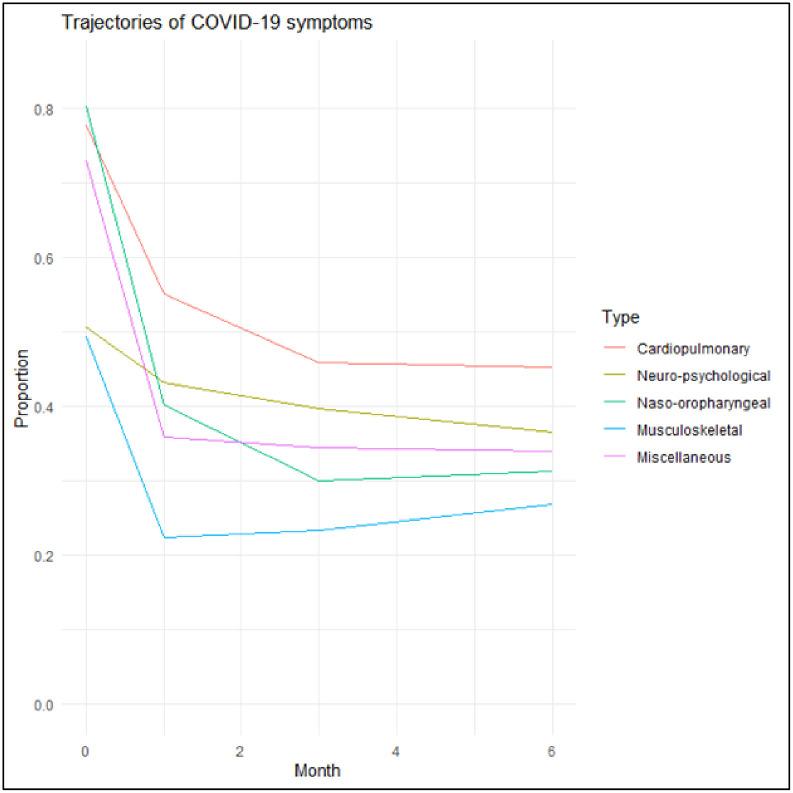
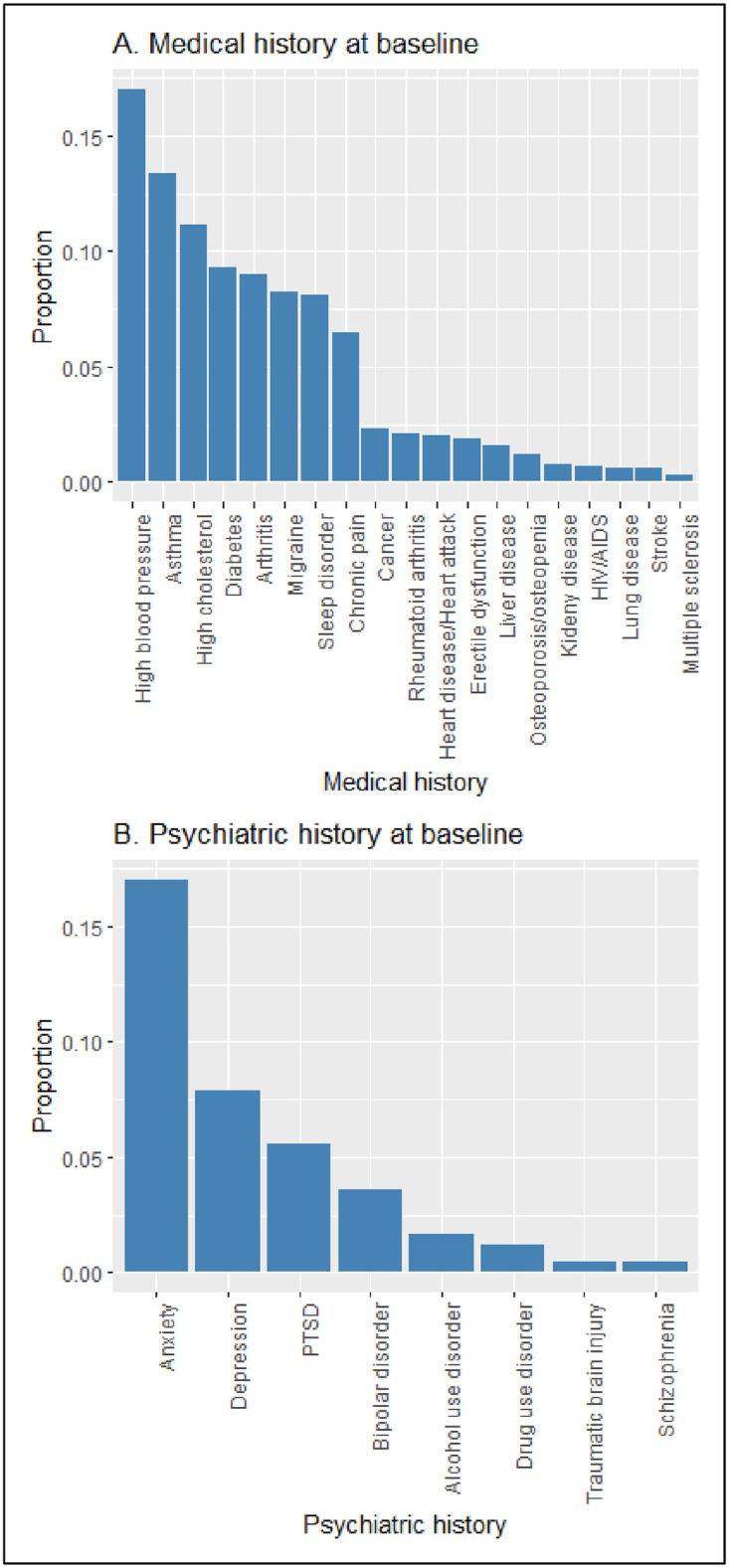
Few studies have examined heterogeneous associations of risk factors with Coronavirus Disease-2019 (COVID-19) symptoms by type. The objectives of this study were to estimate the prevalence of and risk factors associated with COVID-19 symptoms and to investigate whether the associations differ by the type of symptoms. This study obtained longitudinal data over 6 months from laboratory-confirmed COVID-19 cases in a citywide sample in San Antonio. Sixteen symptoms of COVID-19 infection, measured at baseline and three follow-up times (1, 3, and 6 months), were analyzed using generalized estimating equations (GEE) to investigate potential risk factors while accounting for the repeated measurements. The risk factors included time in months, sociodemographic characteristics, and past or current medical and psychiatric conditions. To obtain interpretable results, we categorized these sixteen symptoms into five categories (cardiopulmonary, neuro-psychological, naso-oropharyngeal, musculoskeletal, and miscellaneous). We fitted GEE models with a logit link using each category as the outcome variable. Our study demonstrated that the associations were heterogeneous by the categories of symptoms. The time effects were the strongest for naso-oropharyngeal symptoms but the weakest for neuro-psychological symptoms. Female gender was associated with increased odds of most of the symptoms. Hispanic ethnicity was also associated with higher odds of neuro-psychological, musculoskeletal, and miscellaneous symptoms. Depression was the most robust psychiatric condition contributing to most of the symptoms. Different medical conditions seemed to contribute to different symptom expressions of COVID-19 infection.
很少有研究通过症状类型来考察与 2019 年冠状病毒病(COVID-19)相关的危险因素的异质性关联。本研究的目的是估计 COVID-19 症状的流行率和相关危险因素,并探讨这些关联是否因症状类型而异。本研究在圣安东尼奥市进行了一项全市范围内的实验室确诊 COVID-19 病例的纵向研究,在 6 个月的时间里收集了数据。使用广义估计方程(GEE)分析了 16 种 COVID-19 感染症状,这些症状在基线和三个随访时间(1、3 和 6 个月)进行了测量,以调查潜在的危险因素,同时考虑到重复测量。危险因素包括月份数、社会人口统计学特征以及过去或当前的医疗和精神疾病状况。为了获得可解释的结果,我们将这 16 种症状分为五类(心肺、神经心理、鼻口咽、肌肉骨骼和其他)。我们使用 GEE 模型和对数链接,将每个类别作为因变量进行拟合。我们的研究表明,这些关联因症状类别而异。鼻咽症状的时间效应最强,但神经心理症状的时间效应最弱。女性性别与大多数症状的odds 比值增加有关。西班牙裔种族也与神经心理、肌肉骨骼和其他症状的odds 比值增加有关。抑郁症是与大多数症状最相关的最严重的精神疾病。不同的医疗状况似乎与 COVID-19 感染的不同症状表现有关。

 Zotero 插件