
膀胱癌的靶向治疗:信号通路、应用及挑战
Targeted therapies in bladder cancer: signaling pathways, applications, and challenges.
作者信息
Peng Mei, Chu Xuetong, Peng Yan, Li Duo, Zhang Zhirong, Wang Weifan, Zhou Xiaochen, Xiao Di, Yang Xiaoping
机构信息
Department of Pharmacy Xiangya Hospital Central South University Changsha Hunan China.
Key Laboratory of Study and Discovery of Small Targeted Molecules of Hunan Province The Research Center of Reproduction and Translational Medicine of Hunan Province Key Laboratory of Chemical Biology & Traditional Chinese Medicine Research of Ministry of Education Department of Pharmacy School of Medicine Hunan Normal University Changsha Hunan China.
出版信息
MedComm (2020). 2023 Dec 15;4(6):e455. doi: 10.1002/mco2.455. eCollection 2023 Dec.
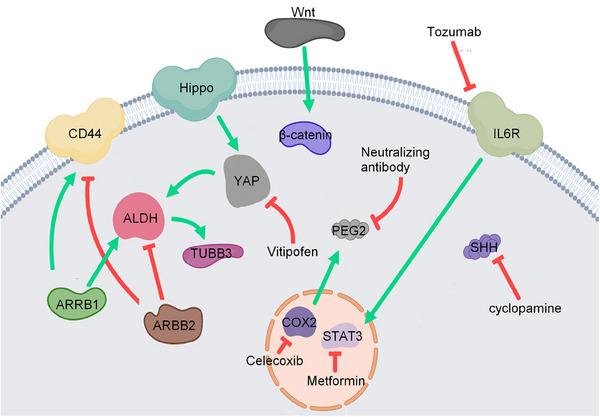
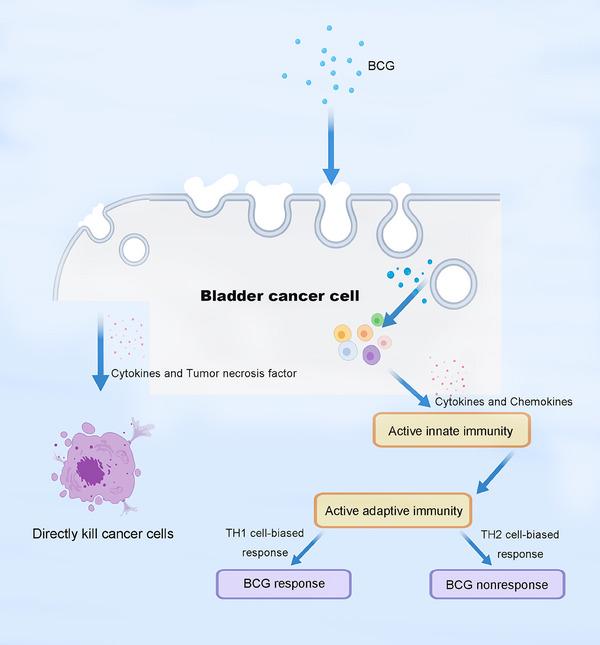
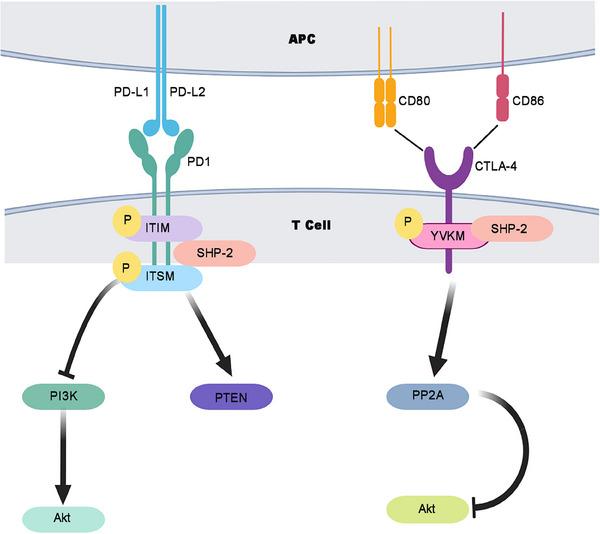
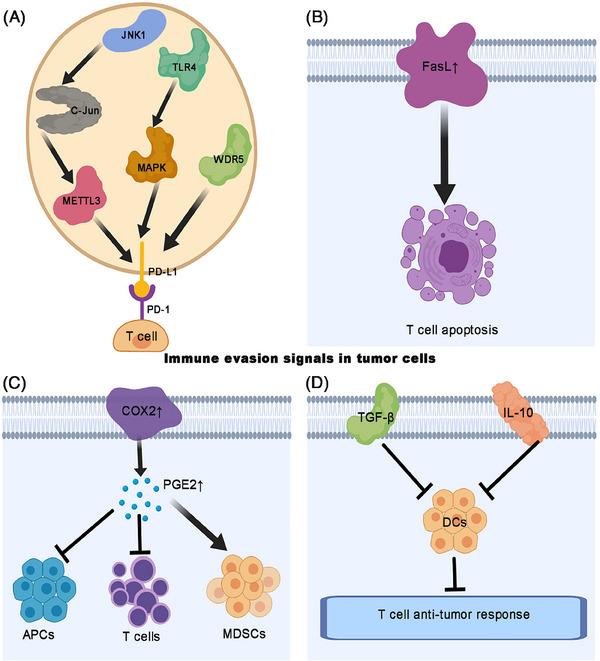
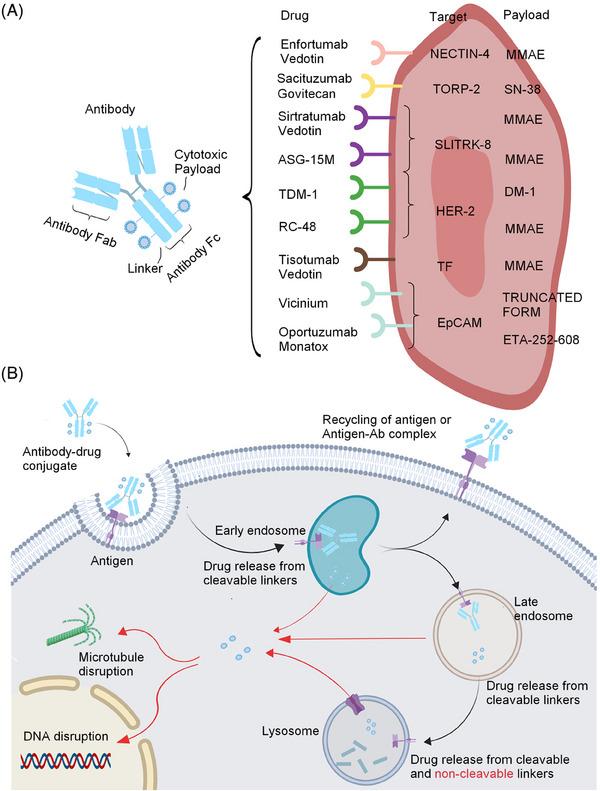
Bladder cancer (BC) is one of the most prevalent malignancies in men. Understanding molecular characteristics via studying signaling pathways has made tremendous breakthroughs in BC therapies. Thus, targeted therapies including immune checkpoint inhibitors (ICIs), antibody-drug conjugates (ADCs), and tyrosine kinase inhibitor (TKI) have markedly improved advanced BC outcomes over the last few years. However, the considerable patients still progress after a period of treatment with current therapeutic regimens. Therefore, it is crucial to guide future drug development to improve BC survival, based on the molecular characteristics of BC and clinical outcomes of existing drugs. In this perspective, we summarize the applications and benefits of these targeted drugs and highlight our understanding of mechanisms of low response rates and immune escape of ICIs, ADCs toxicity, and TKI resistance. We also discuss potential solutions to these problems. In addition, we underscore the future drug development of targeting metabolic reprogramming and cancer stem cells (CSCs) with a deep understanding of their signaling pathways features. We expect that finding biomarkers, developing novo drugs and designing clinical trials with precisely selected patients and rationalized drugs will dramatically improve the quality of life and survival of patients with advanced BC.
膀胱癌(BC)是男性中最常见的恶性肿瘤之一。通过研究信号通路来了解分子特征,在膀胱癌治疗方面取得了巨大突破。因此,包括免疫检查点抑制剂(ICIs)、抗体药物偶联物(ADCs)和酪氨酸激酶抑制剂(TKI)在内的靶向治疗在过去几年中显著改善了晚期膀胱癌的治疗效果。然而,相当一部分患者在接受当前治疗方案一段时间后仍会病情进展。因此,基于膀胱癌的分子特征和现有药物的临床疗效,指导未来药物研发以提高膀胱癌患者生存率至关重要。从这个角度出发,我们总结了这些靶向药物的应用和益处,并强调了我们对免疫检查点抑制剂低反应率和免疫逃逸机制、抗体药物偶联物毒性以及酪氨酸激酶抑制剂耐药性的理解。我们还讨论了针对这些问题的潜在解决方案。此外,我们强调了未来针对代谢重编程和癌症干细胞(CSCs)的药物研发,深入了解其信号通路特征。我们期望找到生物标志物、开发新药并设计针对精准选择患者和合理用药的临床试验,将极大地提高晚期膀胱癌患者的生活质量和生存率。



 Zotero 插件