
晚期皮肤黑色素瘤治疗方法及其作用机制综述:从免疫疗法到赖氨酸组蛋白甲基转移酶抑制剂
A Review of Advanced Cutaneous Melanoma Therapies and Their Mechanisms, from Immunotherapies to Lysine Histone Methyl Transferase Inhibitors.
作者信息
de Oliveira Filho Renato Santos, de Oliveira Daniel Arcuschin, Nisimoto Melissa Maeda, Marti Luciana Cavalheiro
机构信息
Department of Plastic Surgery, Escola Paulista de Medicina-Universidade Federal de São Paulo-EPM-UNIFESP, São Paulo 04023-062, SP, Brazil.
Department of Plastic Surgery, Universidade Federal de São Paulo-UNIFESP-Skin Cancer and Melanoma Fellow, São Paulo 04023-900, SP, Brazil.
出版信息
Cancers (Basel). 2023 Dec 8;15(24):5751. doi: 10.3390/cancers15245751.
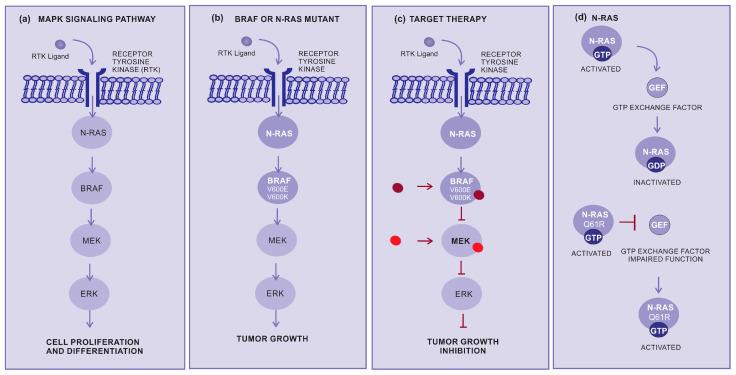
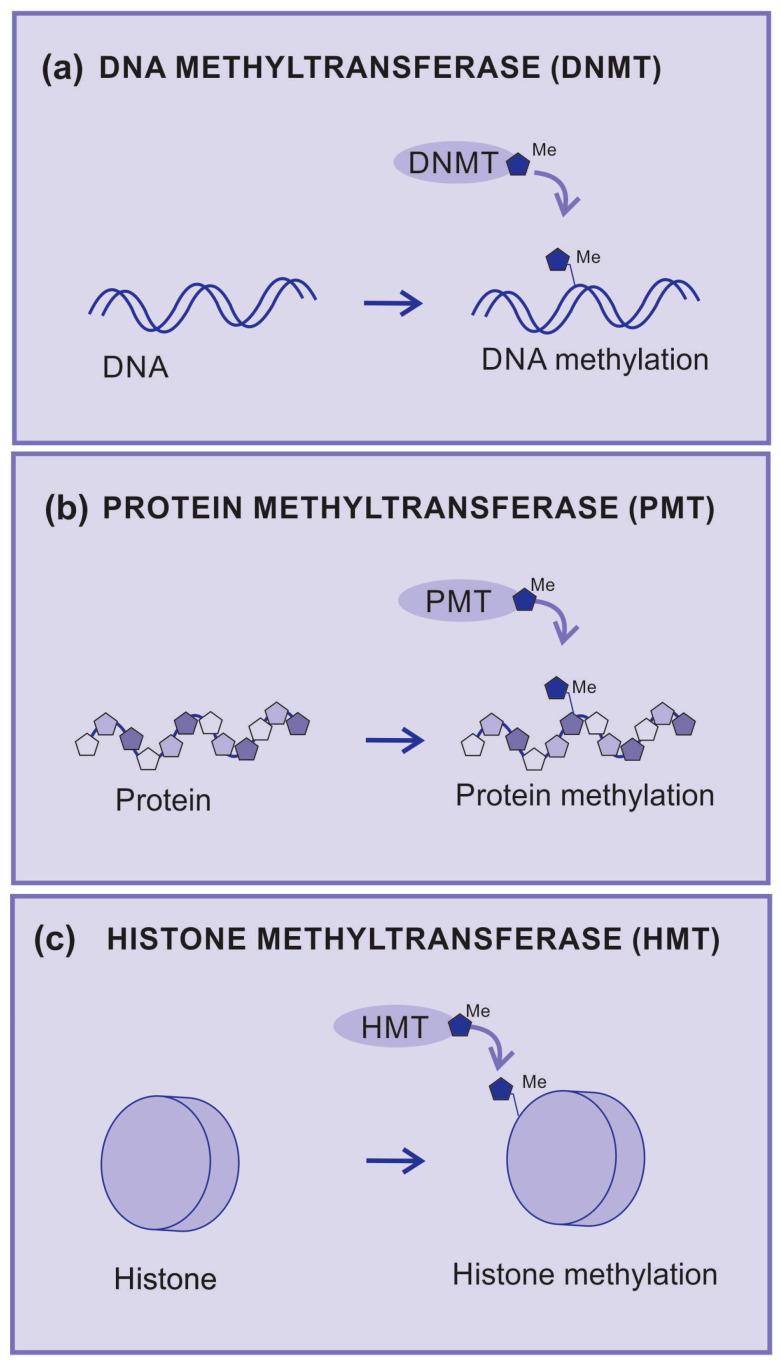
Advanced cutaneous melanoma is considered to be the most aggressive type of skin cancer and has variable rates of treatment response. Currently, there are some classes of immunotherapy and target therapies for its treatment. Immunotherapy can inhibit tumor growth and its recurrence by triggering the host's immune system, whereas targeted therapy inhibits specific molecules or signaling pathways. However, melanoma responses to these treatments are highly heterogeneous, and patients can develop resistance. Epigenomics (DNA/histone modifications) contribute to cancer initiation and progression. Epigenetic alterations are divided into four levels of gene expression regulation: DNA methylation, histone modification, chromatin remodeling, and non-coding RNA regulation. Deregulation of lysine methyltransferase enzymes is associated with tumor initiation, invasion, development of metastases, changes in the immune microenvironment, and drug resistance. The study of lysine histone methyltransferase (KMT) and nicotinamide N-methyltransferase (NNMT) inhibitors is important for understanding cancer epigenetic mechanisms and biological processes. In addition to immunotherapy and target therapy, the research and development of KMT and NNMT inhibitors is ongoing. Many studies are exploring the therapeutic implications and possible side effects of these compounds, in addition to their adjuvant potential to the approved current therapies. Importantly, as with any drug development, safety, efficacy, and specificity are crucial considerations when developing methyltransferase inhibitors for clinical applications. Thus, this review article presents the recently available therapies and those in development for advanced cutaneous melanoma therapy.
晚期皮肤黑色素瘤被认为是最具侵袭性的皮肤癌类型,其治疗反应率各不相同。目前,有几类免疫疗法和靶向疗法用于其治疗。免疫疗法可通过触发宿主免疫系统来抑制肿瘤生长及其复发,而靶向疗法则抑制特定分子或信号通路。然而,黑色素瘤对这些治疗的反应高度异质,患者可能会产生耐药性。表观基因组学(DNA/组蛋白修饰)有助于癌症的发生和发展。表观遗传改变分为基因表达调控的四个水平:DNA甲基化、组蛋白修饰、染色质重塑和非编码RNA调控。赖氨酸甲基转移酶的失调与肿瘤发生、侵袭、转移发展、免疫微环境变化和耐药性有关。赖氨酸组蛋白甲基转移酶(KMT)和烟酰胺N-甲基转移酶(NNMT)抑制剂的研究对于理解癌症表观遗传机制和生物学过程很重要。除了免疫疗法和靶向疗法外,KMT和NNMT抑制剂的研发也在进行中。许多研究除了探索这些化合物作为已批准的现有疗法的辅助药物的潜力外,还在探索其治疗意义和可能的副作用。重要的是,与任何药物研发一样,在开发用于临床应用的甲基转移酶抑制剂时,安全性、有效性和特异性是关键考虑因素。因此,这篇综述文章介绍了最近可用的疗法以及正在开发的用于晚期皮肤黑色素瘤治疗的疗法。



 Zotero 插件