
了解用作食品包装材料的消费后聚烯烃中有意和无意添加的物质以及相关的毒理学关注阈值。
Understanding intentionally and non-intentionally added substances and associated threshold of toxicological concern in post-consumer polyolefin for use as food packaging materials.
作者信息
Tumu Khairun, Vorst Keith, Curtzwiler Greg
机构信息
Polymer and Food Protection Consortium, Iowa State University, Ames, IA 50011, USA.
Department of Food Science and Human Nutrition, Iowa State University, Ames, IA 50011, USA.
出版信息
Heliyon. 2023 Dec 13;10(1):e23620. doi: 10.1016/j.heliyon.2023.e23620. eCollection 2024 Jan 15.
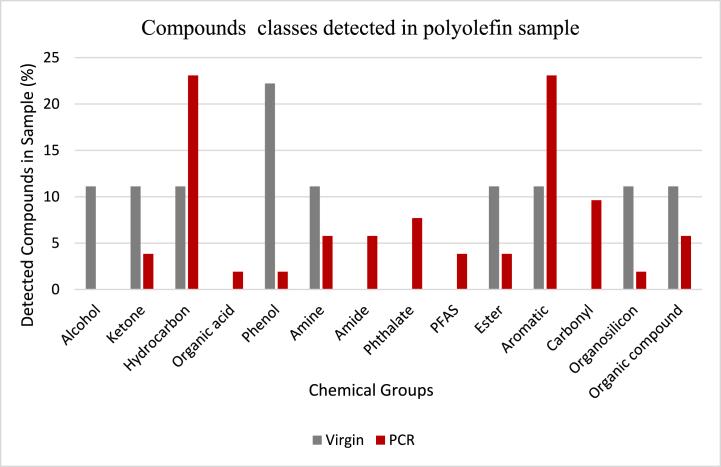
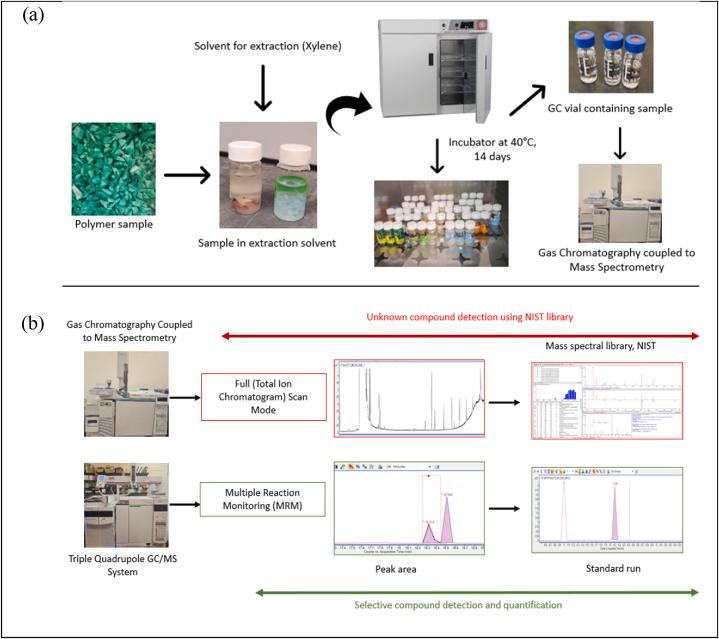
The use of post-consumer recycled (PCR) polymers in food contact materials (FCMs) can facilitate achieving a circular economy by reducing environmental waste and landfill accumulation. This study aimed to identify potentially harmful substances, including non-intentionally added substances (NIAS) and unapproved intentionally added substances (IAS), in polyolefin samples from material recovery facilities using gas-chromatography mass-spectrometry. Selected phthalates and bisphenols were quantified by targeted gas-chromatography tandem mass-spectrometry. The analysis detected 9 compounds in virgin polymers and 52 different compounds including alcohols, hydrocarbons, phenols in virgin and hydrocarbons, aromatic, phthalates, organic acids, per- and polyfluoroalkyl substances (PFAS) in PCR polymers. The Cramer classification system was used to assesses the Threshold of Toxicological Concern associated with the detected compounds. The PCR sample showed a slightly higher proportion of Cramer Class III compounds (48.08 %) than the virgin sample (44.44 %), indicating higher toxicity potential. Quantification detected bisphenols only in PCR material including BPA (2.88 ± 0.53 μg/g), BPS (5.12 ± 0.003 μg/g), BPF (3.42 ± 0.01 μg/g), and BADGE (4.638 μg/g). Phthalate concentrations were higher in PCR than virgin samples, with the highest levels detected as DIDP, at 6.18 ± 0.31 μg/g for PCR and 6.04 ± 0.02 for virgin. This study provides critical understanding of the safety and potential risks associated with using PCR polyolefins from different sources in food contact applications.
在食品接触材料(FCM)中使用消费后回收(PCR)聚合物,可通过减少环境废弃物和垃圾填埋量,推动实现循环经济。本研究旨在利用气相色谱 - 质谱法,鉴定来自材料回收设施的聚烯烃样品中潜在的有害物质,包括非故意添加物质(NIAS)和未经批准的故意添加物质(IAS)。通过靶向气相色谱串联质谱法定量选定的邻苯二甲酸盐和双酚。分析在原生聚合物中检测到9种化合物,在PCR聚合物中检测到52种不同化合物,包括醇类、烃类、原生烃类中的酚类、芳烃、邻苯二甲酸盐、有机酸、全氟和多氟烷基物质(PFAS)。采用克莱默分类系统评估与检测到的化合物相关的毒理学关注阈值。PCR样品中克莱默III类化合物的比例(48.08%)略高于原生样品(44.44%),表明其潜在毒性更高。定量分析仅在PCR材料中检测到双酚,包括双酚A(2.88±0.53μg/g)、双酚S(5.12±0.003μg/g)、双酚F(3.42±0.01μg/g)和双酚A二缩水甘油醚(4.638μg/g)。PCR中邻苯二甲酸盐浓度高于原生样品,检测到的最高水平为邻苯二甲酸二异壬酯,PCR中为6.18±0.31μg/g,原生样品中为6.04±0.02μg/g。本研究为在食品接触应用中使用来自不同来源的PCR聚烯烃的安全性和潜在风险提供了关键认识。
 Zotero 插件