
一种新型的片上系统,具有适用于研究细菌内毒素动态的3D生物启发式肠道黏液。
A novel on-a-chip system with a 3D-bioinspired gut mucus suitable to investigate bacterial endotoxins dynamics.
作者信息
Sardelli L, Campanile M, Boeri L, Donnaloja F, Fanizza F, Perottoni S, Petrini P, Albani D, Giordano C
机构信息
Department of Chemistry, Materials and Chemical Engineering 'Giulio Natta,' Politecnico di Milano, Milan, Italy.
Department of Neuroscience, Istituto di Ricerche Farmacologiche Mario Negri IRCCS, Milan, Italy.
出版信息
Mater Today Bio. 2023 Dec 10;24:100898. doi: 10.1016/j.mtbio.2023.100898. eCollection 2024 Feb.
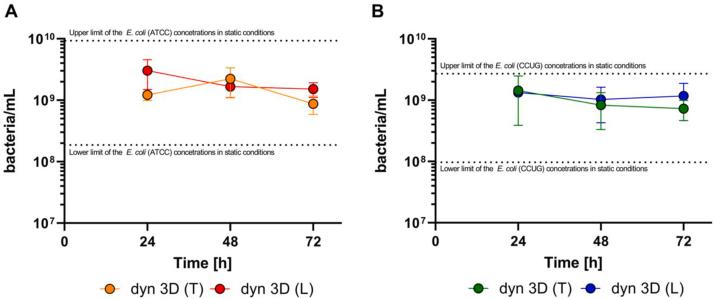
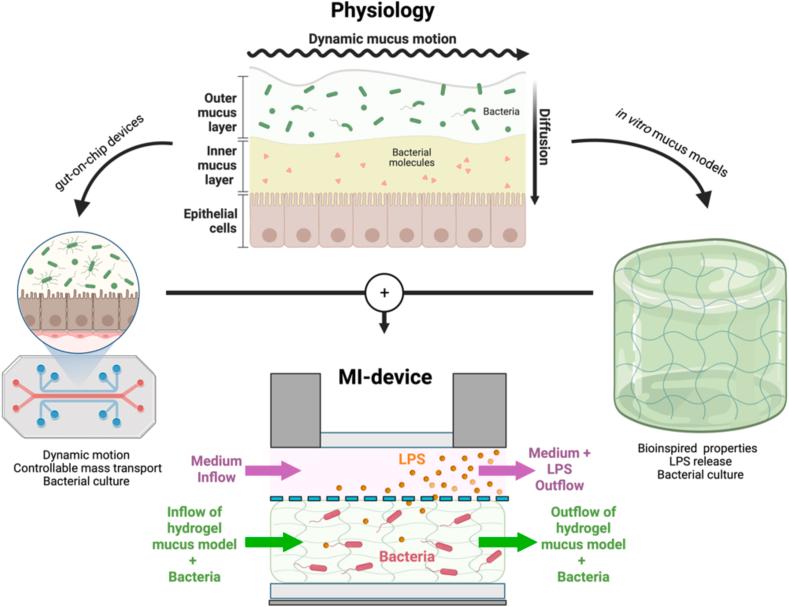
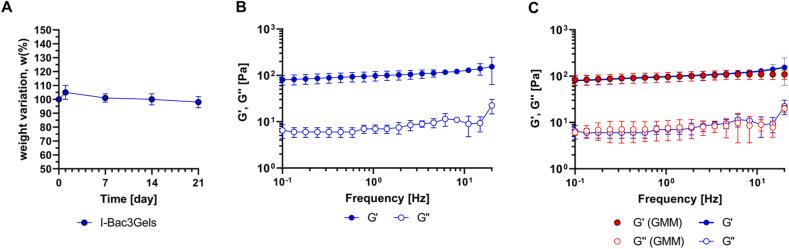
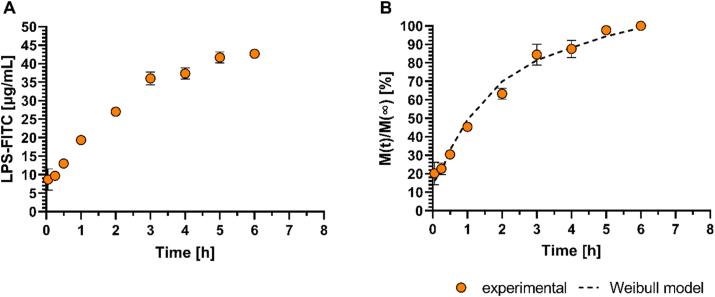
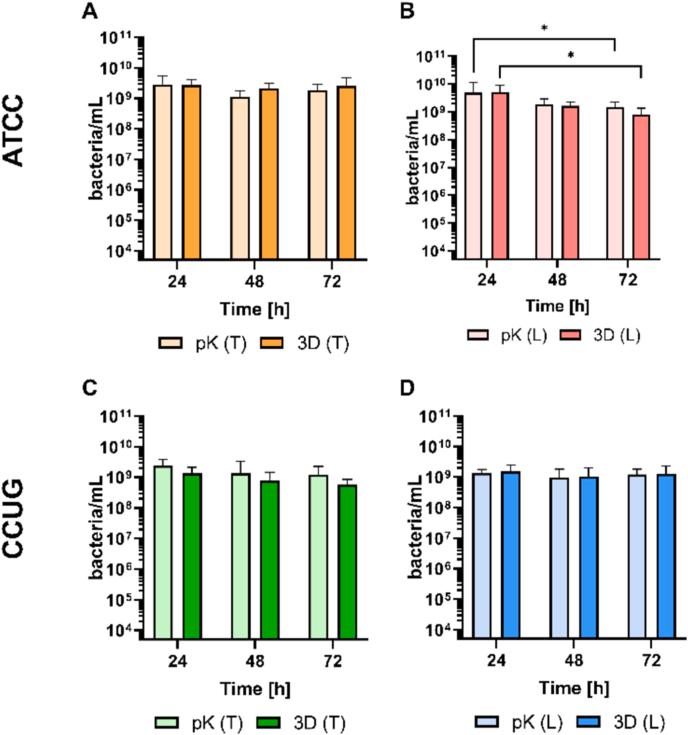
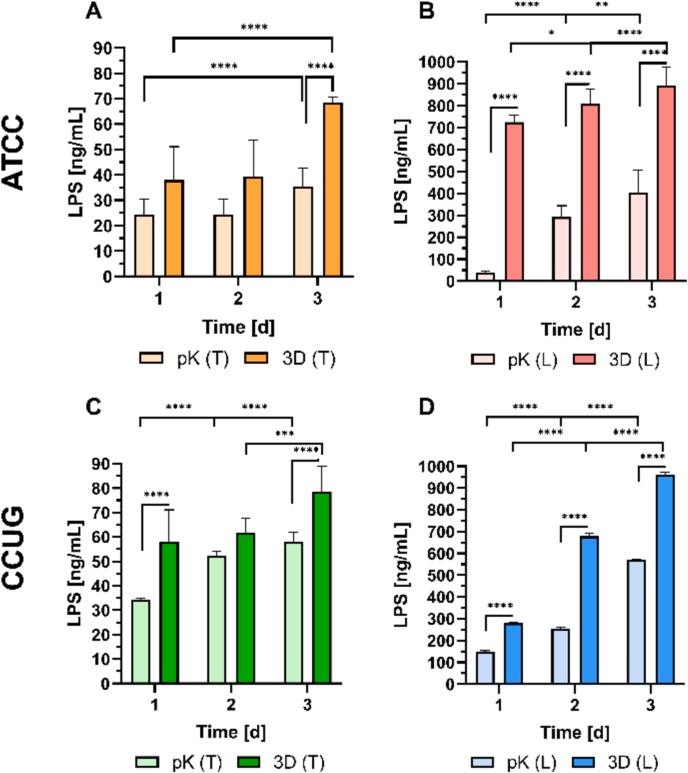
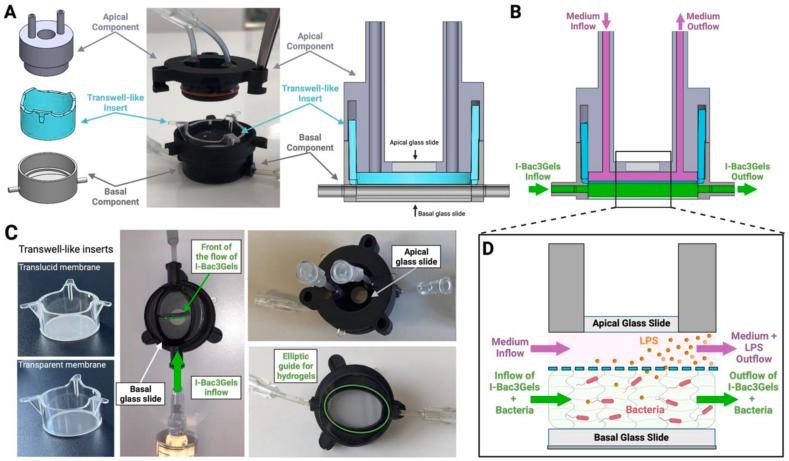
The possible pathogenic impact of pro-inflammatory molecules produced by the gut microbiota is one of the hypotheses considered at the basis of the biomolecular dialogue governing the microbiota-gut-brain axis. Among these molecules, lipopolysaccharides (LPS) produced by Gram-negative gut microbiota strains may have a potential key role due to their toxic effects in both the gut and the brain. In this work, we engineered a new dynamic fluidic system, the MINERVA device (MI-device), with the potential to advance the current knowledge of the biological mechanisms regulating the microbiota-gut molecular crosstalk. The MI-device supported the growth of bacteria that are part of the intestinal microbiota under dynamic conditions within a 3D moving mucus model, with features comparable to the physiological conditions (storage modulus of 80 ± 19 Pa, network mesh size of 41 ± 3 nm), without affecting their viability ( 10 bacteria/mL). The integration of a fluidically optimized and user-friendly design with a bioinspired microenvironment enabled the sterile extraction and quantification of the LPS produced within the mucus by bacteria (from 423 ± 34 ng/mL to 1785 ± 91 ng/mL). Compatibility with commercially available Transwell- inserts allows the user to precisely control the transport phenomena that occur between the two chambers by selecting the pore density of the insert membrane without changing the design of the system. The MI-device is able to provide the flow of sterile medium enriched with LPS directly produced by bacteria, opening up the possibility of studying the effects of bacteria-derived molecules on cells in depth, as well as the assessment and characterization of their effects in a physiological or pathological scenario.
肠道微生物群产生的促炎分子可能的致病影响是在微生物群-肠道-脑轴生物分子对话基础上所考虑的假设之一。在这些分子中,革兰氏阴性肠道微生物菌株产生的脂多糖(LPS)可能因其在肠道和大脑中的毒性作用而具有潜在关键作用。在这项工作中,我们设计了一种新的动态流体系统——MINERVA装置(MI装置),它有潜力推进目前对调节微生物群-肠道分子串扰生物学机制的认识。MI装置在3D移动黏液模型的动态条件下支持肠道微生物群中细菌的生长,其特征与生理条件相当(储能模量为80±19帕,网络网格尺寸为41±3纳米),且不影响其活力(10⁶个细菌/毫升)。流体优化且用户友好的设计与仿生微环境的结合,使得能够无菌提取和定量黏液中细菌产生的LPS(从423±34纳克/毫升到1785±91纳克/毫升)。与市售Transwell插入物的兼容性使用户能够通过选择插入物膜的孔密度精确控制两个腔室之间发生的传输现象,而无需改变系统设计。MI装置能够提供富含细菌直接产生的LPS的无菌培养基流,从而开启了深入研究细菌衍生分子对细胞的影响以及在生理或病理情况下评估和表征其作用的可能性。

 Zotero 插件