
脑源性神经营养因子(BDNF)作为子宫内膜异位症的潜在标志物:系统评价和荟萃分析。
Brain-derived neurotrophic factor (BDNF) as a potential marker of endometriosis: a systematic review and meta-analysis.
机构信息
Student Research Committee, School of Medicine, Alborz University of Medical Sciences, Karaj, Iran.
Department of Psychiatry and Mental Health, Alborz University of Medical Sciences, Karaj, Iran.
出版信息
BMC Womens Health. 2024 Jan 13;24(1):39. doi: 10.1186/s12905-023-02877-0.
BACKGROUND
The existing literature on the association between BDNF protein levels and endometriosis presents inconsistent findings. This systematic review and meta-analysis aim to synthesize the available evidence and evaluate the possible relationship between BDNF protein levels and endometriosis.
METHODS
Electronic databases (PubMed, Embase, Scopus, PsycINFO, and Web of Science) were used to conduct a comprehensive literature search from inception to June 2023. The search strategy included relevant keywords and medical subject headings (MeSH) terms related to BDNF, endometriosis, and protein levels. A random-effects model was used for the meta-analysis, and to explore heterogeneity subgroup analyses were performed. funnel plots and statistical tests were used for assessing the publication bias.
RESULTS
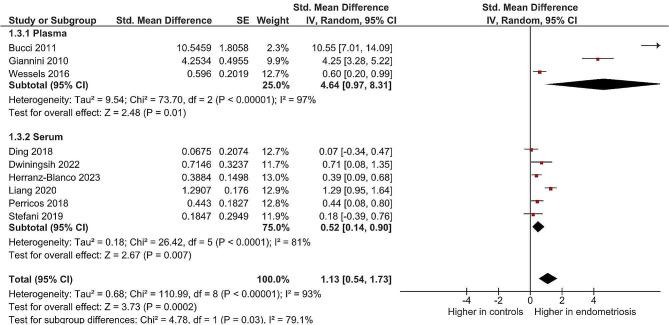
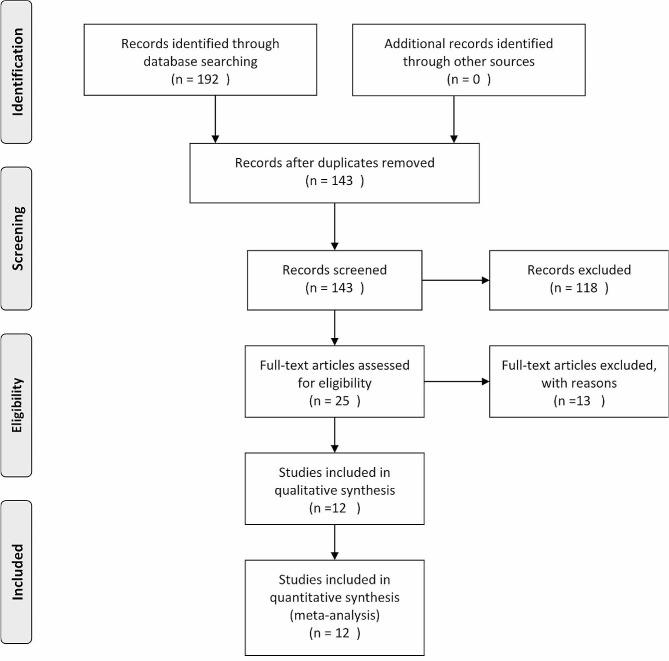
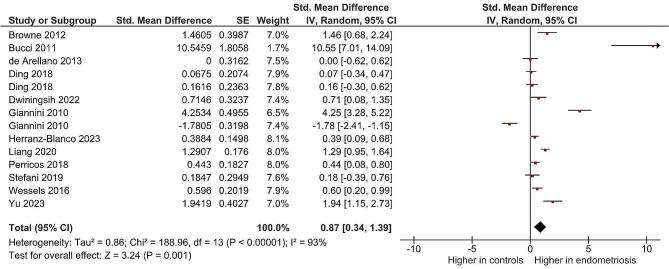
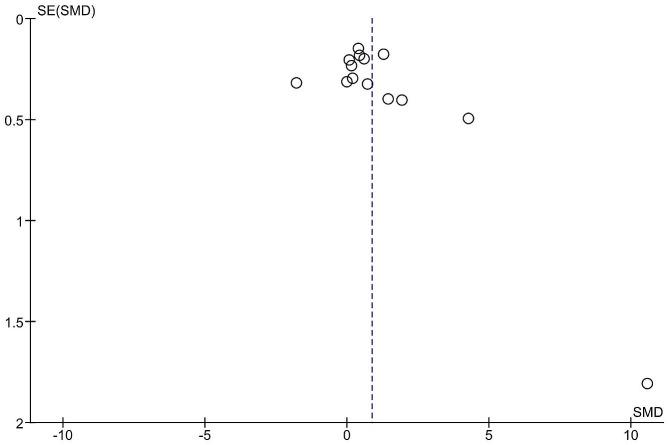
A total of 12 studies were included. The pooled standardized mean difference (SMD) of BDNF levels between women with endometriosis and controls was 0.87 (95% confidence interval [CI] 0.34 to 1.39, p = 0.001; I2 = 93%). The results showed that blood levels of BDNF are significantly higher in endometriosis patients (SMD: 1.13 95% CI 0.54 to 1.73, p = 0.0002; I2 = 93%). No significant publication bias was observed based on the results of Egger's regression test ((p = 0.15).
CONCLUSION
This study revealed a significant difference between patients diagnosed with endometriosis and healthy control in the level of BDNF. The results indicate that women with endometriosis have higher levels of BDNF. Further studies are needed to be undertaken to investigate the role of BDNF in endometriosis pathophysiology and the diagnostic value of BDNF in endometriosis.
背景
目前关于 BDNF 蛋白水平与子宫内膜异位症之间关系的文献结果并不一致。本系统评价和荟萃分析旨在综合现有证据,评估 BDNF 蛋白水平与子宫内膜异位症之间可能存在的关系。
方法
我们使用电子数据库(PubMed、Embase、Scopus、PsycINFO 和 Web of Science)从建库到 2023 年 6 月进行了全面的文献检索。检索策略包括与 BDNF、子宫内膜异位症和蛋白水平相关的关键词和医学主题词(MeSH)。我们采用随机效应模型进行荟萃分析,并进行了亚组分析以探索异质性。采用漏斗图和统计学检验评估发表偏倚。
结果
共纳入 12 项研究。子宫内膜异位症患者与对照组之间 BDNF 水平的合并标准化均数差(SMD)为 0.87(95%置信区间 [CI] 0.34 至 1.39,p = 0.001;I2 = 93%)。结果表明,子宫内膜异位症患者的血液 BDNF 水平显著升高(SMD:1.13 95% CI 0.54 至 1.73,p = 0.0002;I2 = 93%)。基于 Egger 回归检验的结果,未观察到明显的发表偏倚((p = 0.15)。
结论
本研究表明,诊断为子宫内膜异位症的患者与健康对照组之间 BDNF 水平存在显著差异。结果表明,子宫内膜异位症患者的 BDNF 水平较高。需要进一步研究以探讨 BDNF 在子宫内膜异位症发病机制中的作用以及 BDNF 在子宫内膜异位症诊断中的价值。
 Zotero 插件