
嵌合抗原受体(CAR)介导的细胞免疫疗法在胰腺癌临床应用中的潜力与前景。
The power and the promise of CAR-mediated cell immunotherapy for clinical application in pancreatic cancer.
作者信息
Tang Hao-Yu, Cao Yi-Zhi, Zhou Yi-Wei, Ma Yu-Shui, Jiang Hong, Zhang Hui, Jiang Lin, Yang Qin-Xin, Tang Xiao-Mei, Yang Chun, Liu Xin-Yun, Liu Fu-Xing, Liu Ji-Bin, Fu Da, Wang Yun-Feng, Yu Hong
机构信息
Department of Pathology, The Affiliated Taizhou People's Hospital of Nanjing Medical University, Taizhou 225300, Jiangsu, China; Institute of Oncology, Affiliated Tumor Hospital of Nantong University, Nantong 226631, Jiangsu, China; General Surgery, Institute of Pancreatic Diseases, Ruijin Hospital, Shanghai Jiaotong University School of Medicine, Shanghai 200025, Shanghai, China.
General Surgery, Institute of Pancreatic Diseases, Ruijin Hospital, Shanghai Jiaotong University School of Medicine, Shanghai 200025, Shanghai, China.
出版信息
J Adv Res. 2025 Jan;67:253-267. doi: 10.1016/j.jare.2024.01.014. Epub 2024 Jan 18.
BACKGROUND
Pancreatic cancer, referred to as the "monarch of malignancies," is a neoplastic growth mostly arising from the epithelial cells of the pancreatic duct and acinar cells. This particular neoplasm has a highly unfavorable prognosis due to its marked malignancy, inconspicuous initial manifestation, challenging early detection, rapid advancement, and limited survival duration. Cellular immunotherapy is the ex vivo culture and expansion of immune effector cells, granting them the capacity to selectively target malignant cells using specialized techniques. Subsequently, these modified cells are reintroduced into the patient's organism with the purpose of eradicating tumor cells and providing therapeutic intervention for cancer.
PRESENT SITUATION
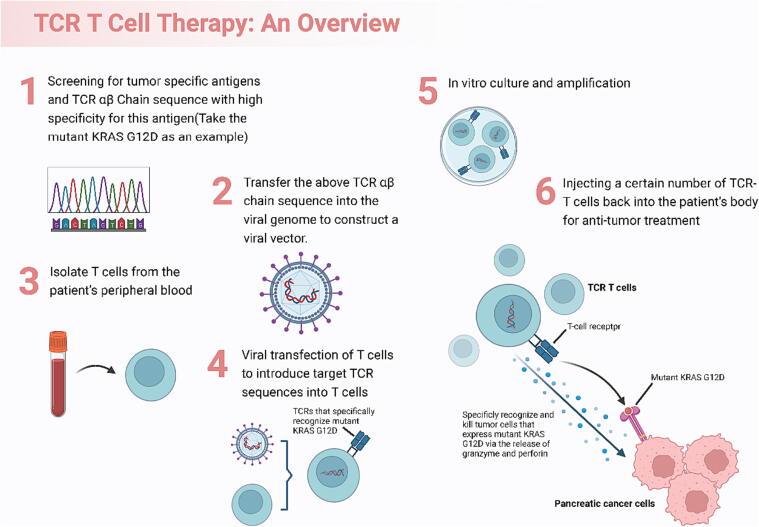
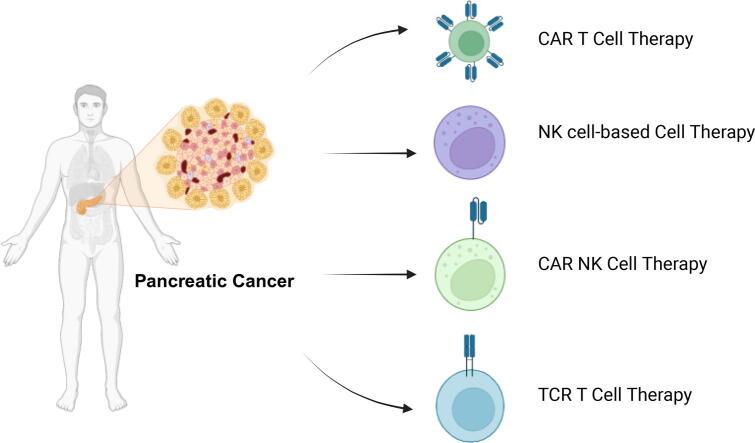
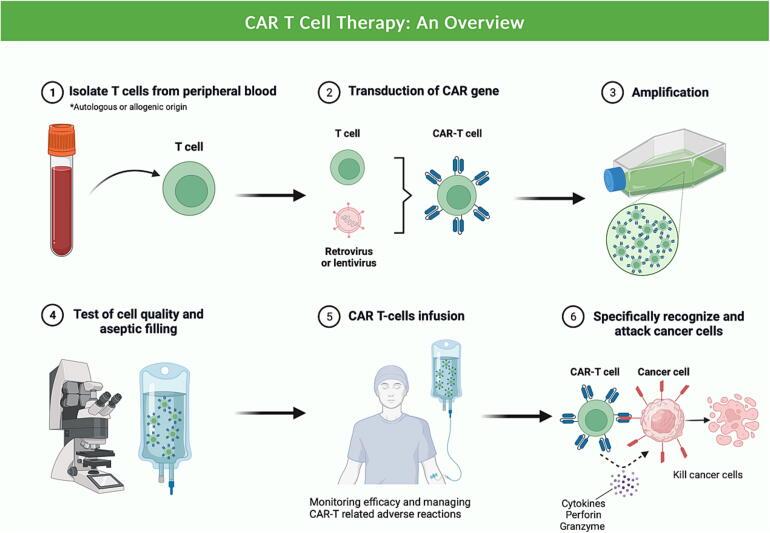
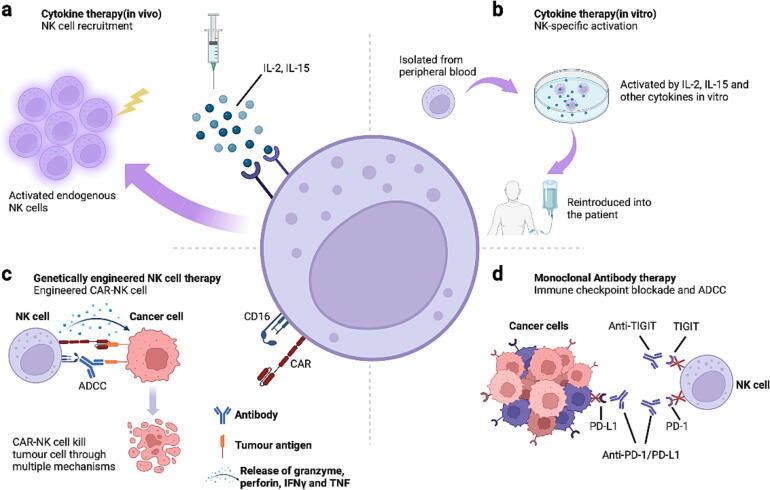
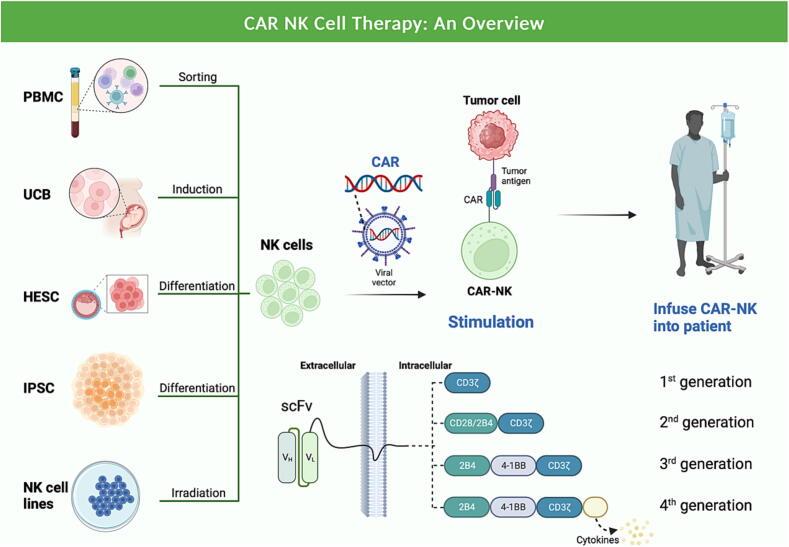
Presently, the primary cellular therapeutic modalities employed in the treatment of pancreatic cancer encompass CAR T-cell therapy, TCR T-cell therapy, NK-cell therapy, and CAR NK-cell therapy.
AIM OF REVIEW
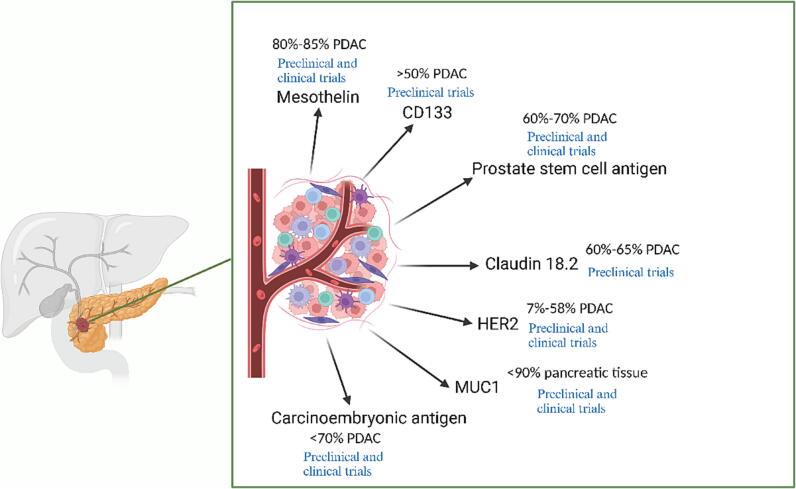
This review provides a concise overview of the mechanisms and primary targets associated with various cell therapies. Additionally, we will explore the prospective outlook of cell therapy in the context of treating pancreatic cancer.
背景
胰腺癌,被称为“恶性肿瘤之王”,是一种主要起源于胰腺导管上皮细胞和腺泡细胞的肿瘤性生长。这种特殊的肿瘤由于其显著的恶性程度、不明显的初始表现、早期检测具有挑战性、进展迅速以及生存时间有限,预后非常不利。细胞免疫疗法是对免疫效应细胞进行体外培养和扩增,使其能够利用专门技术选择性地靶向恶性细胞。随后,将这些经过改造的细胞重新引入患者体内,以根除肿瘤细胞并为癌症提供治疗干预。
现状
目前,用于治疗胰腺癌的主要细胞治疗方式包括嵌合抗原受体(CAR)T细胞疗法、T细胞受体(TCR)T细胞疗法、自然杀伤(NK)细胞疗法和CAR NK细胞疗法。
综述目的
本综述简要概述了与各种细胞疗法相关的机制和主要靶点。此外,我们还将探讨细胞疗法在治疗胰腺癌方面的前景。
 Zotero 插件