
六种全氟烷基和多氟烷基物质与人血清白蛋白的结合亲和力及机制:多光谱、密度泛函理论和分子动力学方法的见解
Binding Affinity and Mechanism of Six PFAS with Human Serum Albumin: Insights from Multi-Spectroscopy, DFT and Molecular Dynamics Approaches.
作者信息
Peng Mingguo, Xu Yang, Wu Yao, Cai Xuewen, Zhang Weihua, Zheng Lu, Du Erdeng, Fu Jiajun
机构信息
School of Chemistry and Chemical Engineering, Nanjing University of Science and Technology, Nanjing 210094, China.
School of Environmental Science and Engineering, Changzhou University, Changzhou 213164, China.
出版信息
Toxics. 2024 Jan 5;12(1):43. doi: 10.3390/toxics12010043.
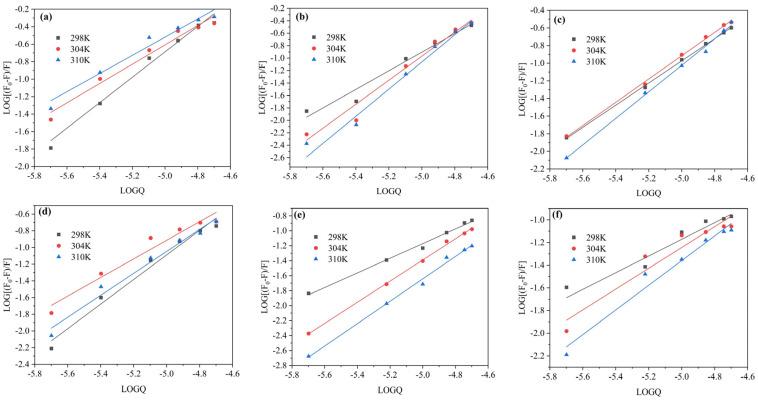
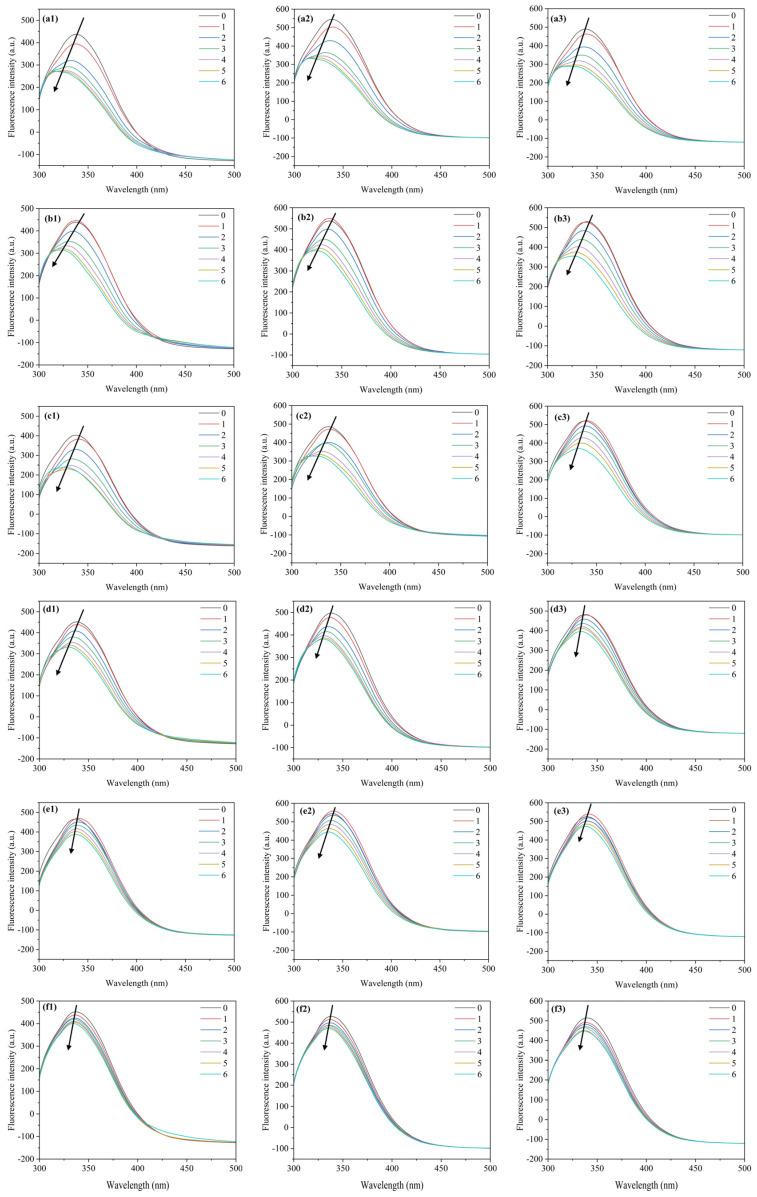
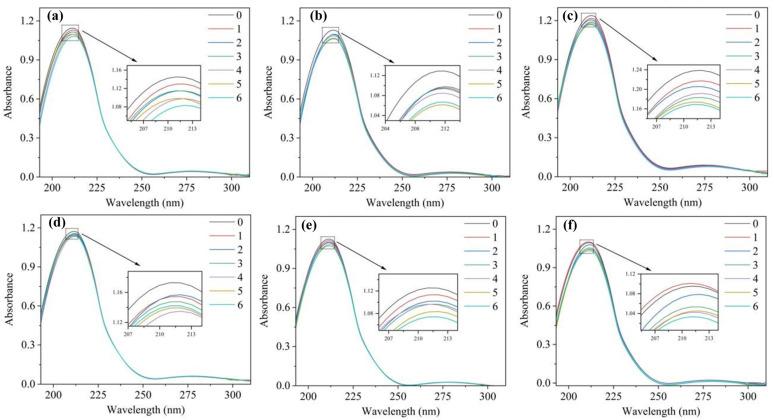
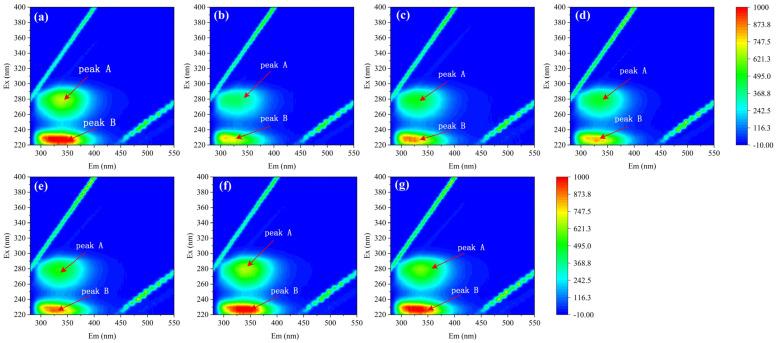
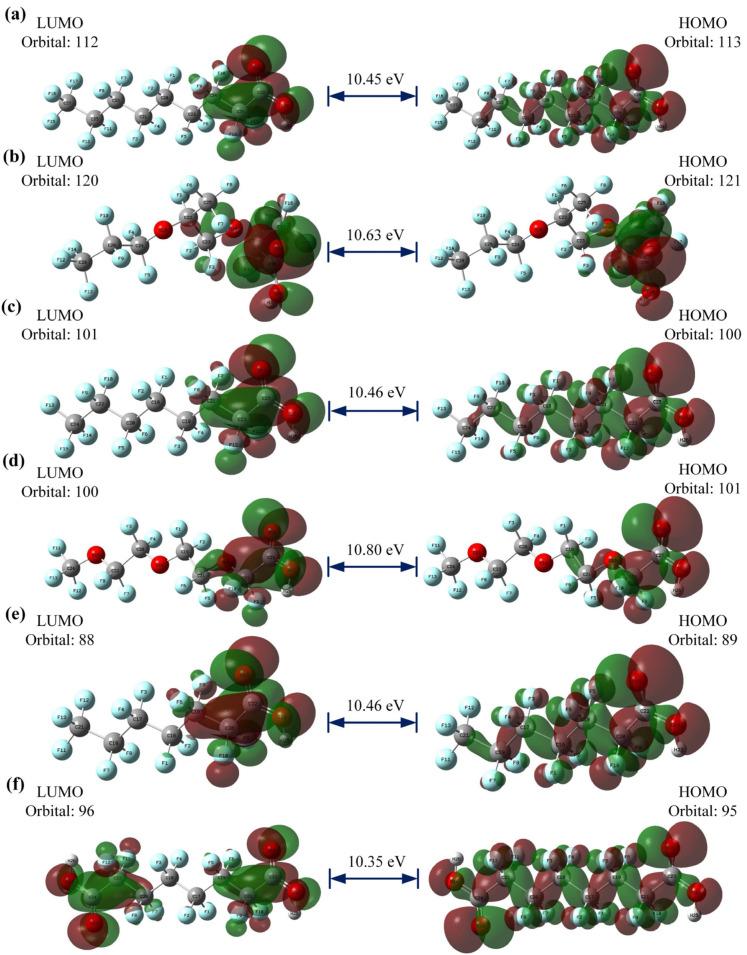
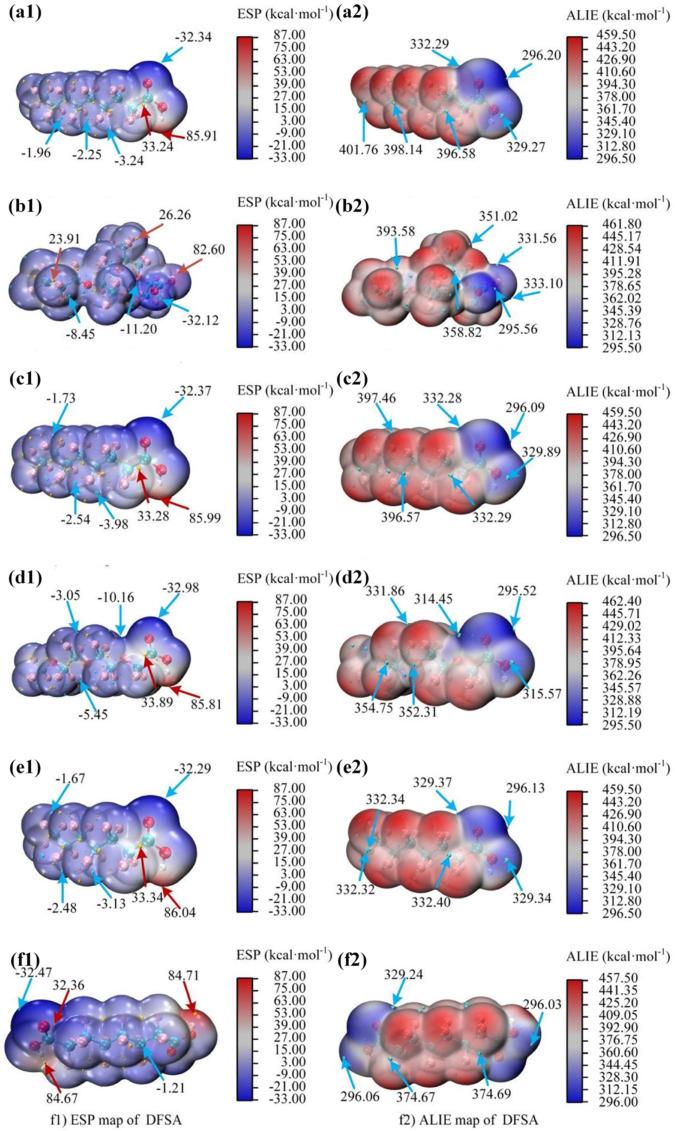
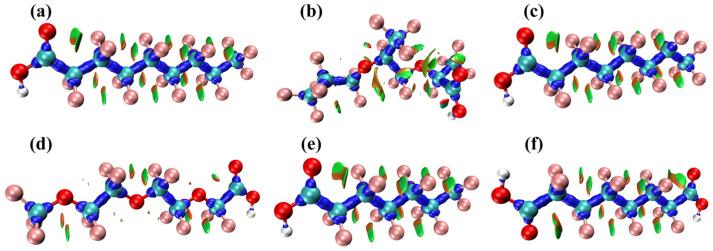
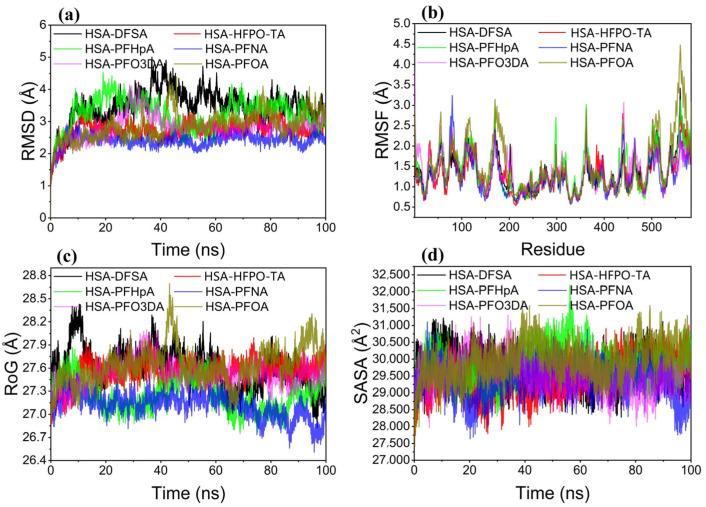
Per- and Polyfluoroalkyl Substances (PFAS) bioaccumulate in the human body, presenting potential health risks and cellular toxicity. Their transport mechanisms and interactions with tissues and the circulatory system require further investigation. This study investigates the interaction mechanisms of six PFAS with Human Serum Albumin (HSA) using multi-spectroscopy, DFT and a molecular dynamics approach. Multi-spectral analysis shows that perfluorononanoic acid (PFNA) has the best binding capabilities with HSA. The order of binding constants (298 K) is as follows: "Perfluorononanoic Acid (PFNA, 7.81 × 10 L·mol) > Perfluoro-2,5-dimethyl-3,6-dioxanonanoic Acid (HFPO-TA, 3.70 × 10 L·mol) > Perfluorooctanoic Acid (PFOA, 2.27 × 10 L·mol) > Perfluoro-3,6,9-trioxadecanoic Acid (PFO3DA, 1.59 × 10 L·mol) > Perfluoroheptanoic Acid (PFHpA, 4.53 × 10 L·mol) > Dodecafluorosuberic Acid (DFSA, 1.52 × 10 L·mol)". Thermodynamic analysis suggests that PFNA and PFO3DA's interactions with HSA are exothermic, driven primarily by hydrogen bonds or van der Waals interactions. PFHpA, DFSA, PFOA, and HFPO-TA's interactions with HSA, on the other hand, are endothermic processes primarily driven by hydrophobic interactions. Competitive probe results show that the main HSA-PFAS binding site is in the HSA structure's subdomain IIA. These findings are also consistent with the findings of molecular docking. Molecular dynamics simulation (MD) analysis further shows that the lowest binding energy (-38.83 kcal/mol) is fund in the HSA-PFNA complex, indicating that PFNA binds more readily with HSA. Energy decomposition analysis also indicates that van der Waals and electrostatic interactions are the main forces for the HSA-PFAS complexes. Correlation analysis reveals that DFT quantum chemical descriptors related to electrostatic distribution and characteristics like ESP and ALIE are more representative in characterizing HSA-PFAS binding. This study sheds light on the interactions between HSA and PFAS. It guides health risk assessments and control strategies against PFAS, serving as a critical starting point for further public health research.
全氟和多氟烷基物质(PFAS)会在人体中生物累积,带来潜在健康风险和细胞毒性。它们的转运机制以及与组织和循环系统的相互作用需要进一步研究。本研究使用多光谱法、密度泛函理论(DFT)和分子动力学方法研究了六种PFAS与人类血清白蛋白(HSA)的相互作用机制。多光谱分析表明,全氟壬酸(PFNA)与HSA的结合能力最强。结合常数(298 K)的顺序如下:“全氟壬酸(PFNA,7.81×10 L·mol)>全氟-2,5-二甲基-3,6-二氧杂壬酸(HFPO-TA,3.70×10 L·mol)>全氟辛酸(PFOA,2.27×10 L·mol)>全氟-3,6,9-三氧杂癸酸(PFO3DA,1.59×10 L·mol)>全氟庚酸(PFHpA,4.53×10 L·mol)>十二氟辛二酸(DFSA,1.52×10 L·mol)”。热力学分析表明,PFNA和PFO3DA与HSA的相互作用是放热的,主要由氢键或范德华相互作用驱动。另一方面,PFHpA、DFSA、PFOA和HFPO-TA与HSA的相互作用是吸热过程,主要由疏水相互作用驱动。竞争探针结果表明,HSA-PFAS的主要结合位点位于HSA结构的亚结构域IIA中。这些发现也与分子对接的结果一致。分子动力学模拟(MD)分析进一步表明,HSA-PFNA复合物的结合能最低(-38.83 kcal/mol),表明PFNA与HSA的结合更易发生。能量分解分析还表明,范德华力和静电相互作用是HSA-PFAS复合物的主要作用力。相关性分析表明,与静电分布相关的DFT量子化学描述符以及ESP和ALIE等特征在表征HSA-PFAS结合方面更具代表性。本研究揭示了HSA与PFAS之间的相互作用。它为PFAS的健康风险评估和控制策略提供了指导,是进一步开展公共卫生研究的关键起点。






 Zotero 插件