
玉米(Zea mays L.)中与非生物胁迫相关的 U-box E3 泛素连接酶基因家族的全基因组鉴定和转录组谱表达分析。
Genome-wide identification and transcriptome profiling expression analysis of the U-box E3 ubiquitin ligase gene family related to abiotic stress in maize (Zea mays L.).
机构信息
College of Bioscience and Bioengineering, Jiangxi Agricultural University, Nanchang, 330045, People's Republic of China.
College of Life Sciences, Nanjing University, Nanjing, 210095, People's Republic of China.
出版信息
BMC Genomics. 2024 Feb 1;25(1):132. doi: 10.1186/s12864-024-10040-8.
BACKGROUND
The U-box gene family encodes E3 ubiquitin ligases involved in plant hormone signaling pathways and abiotic stress responses. However, there has yet to be a comprehensive analysis of the U-box gene family in maize (Zea mays L.) and its responses to abiotic stress.
RESULTS
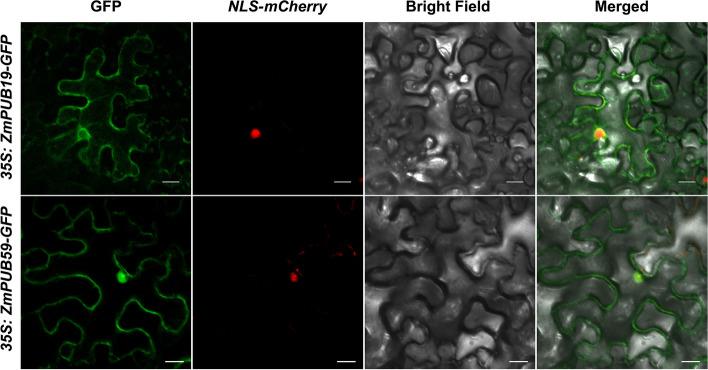
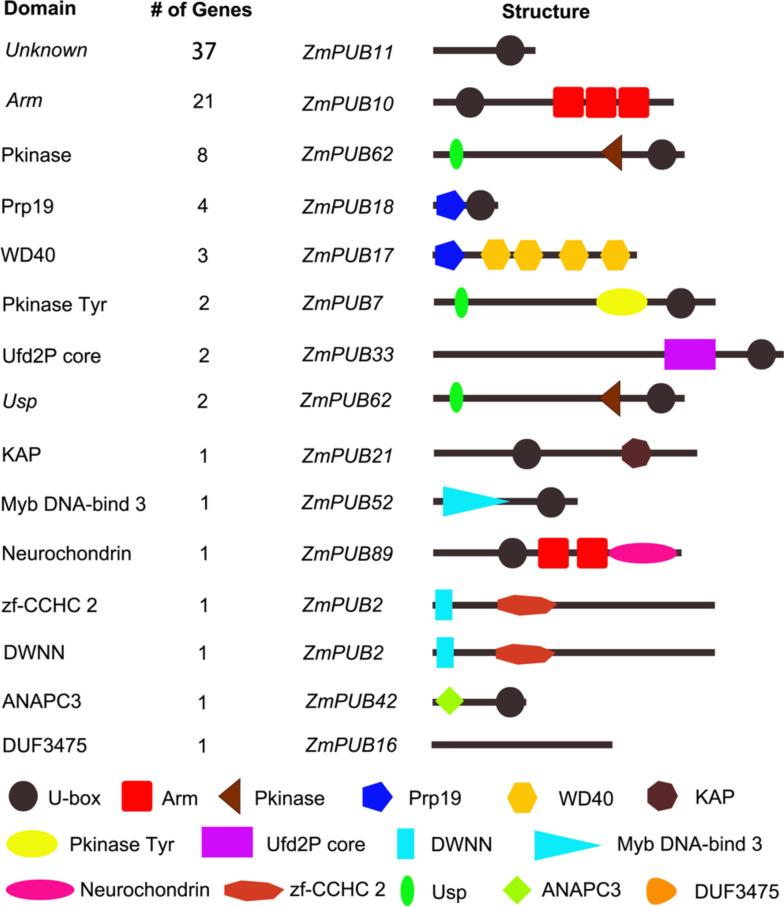
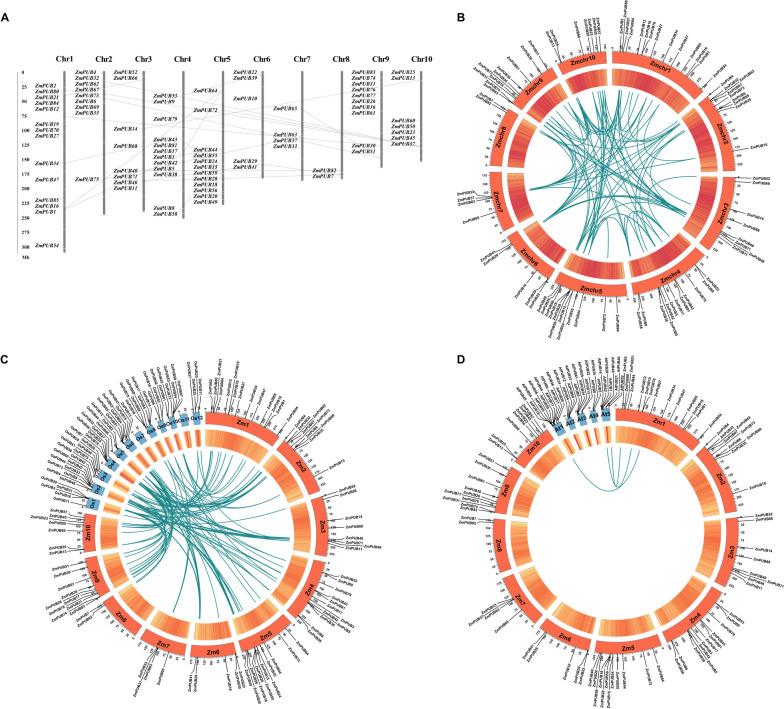
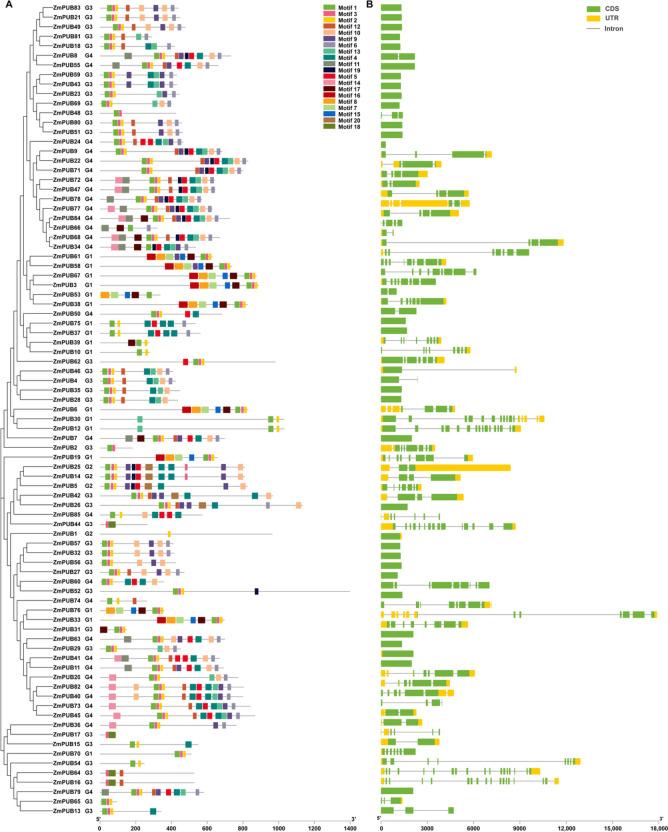
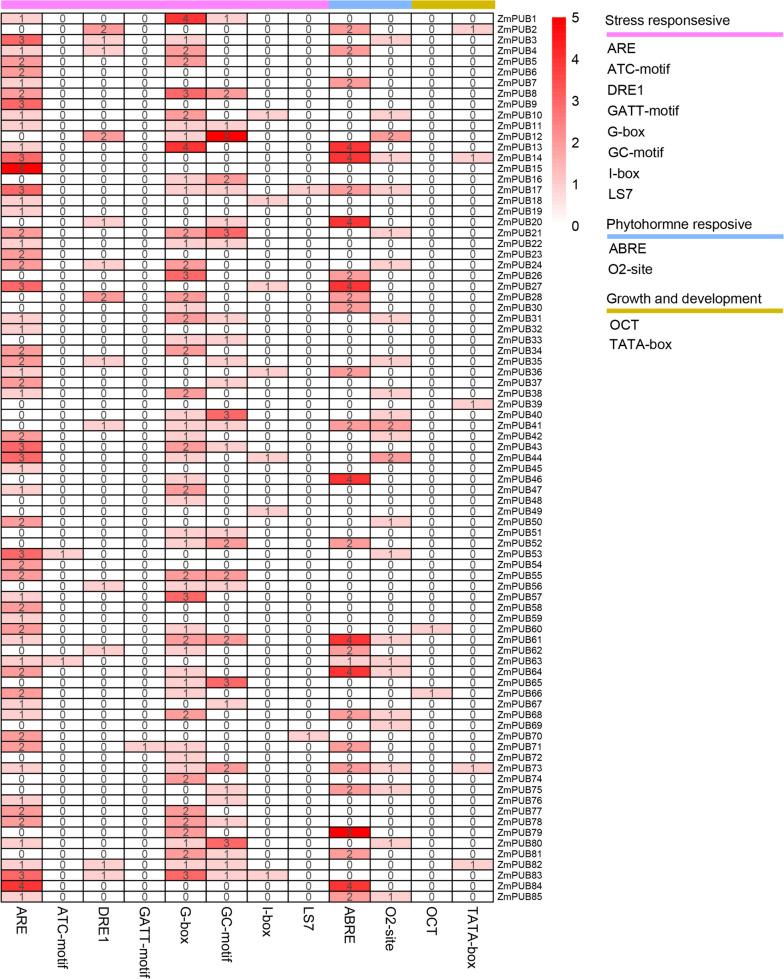
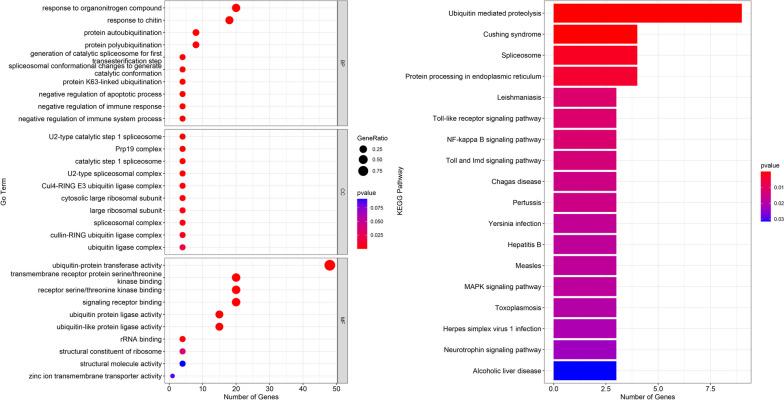
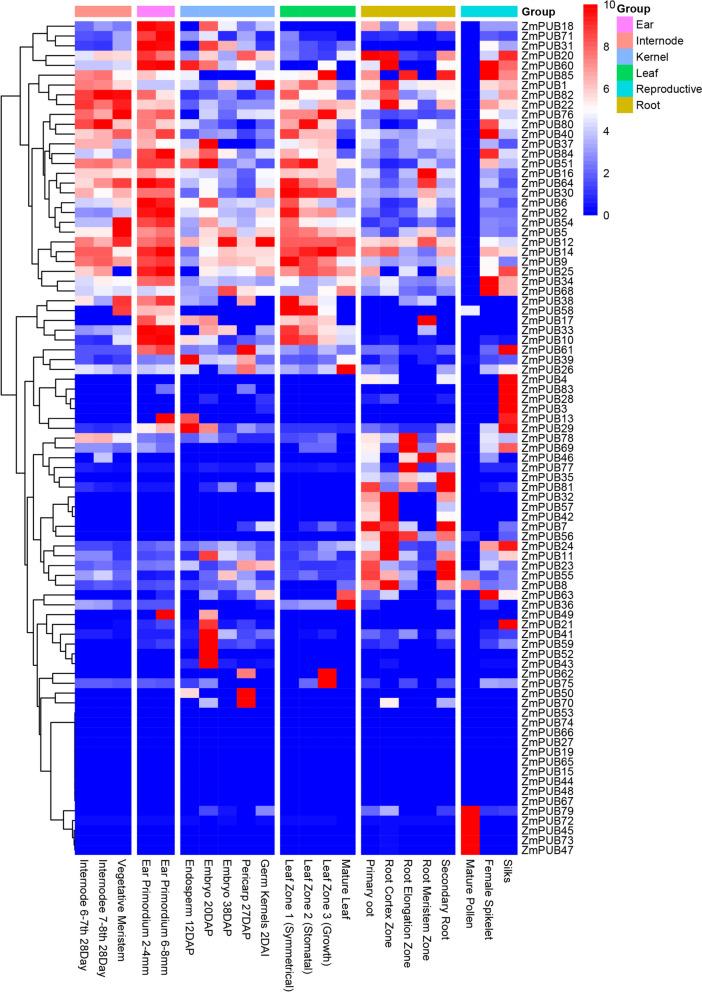
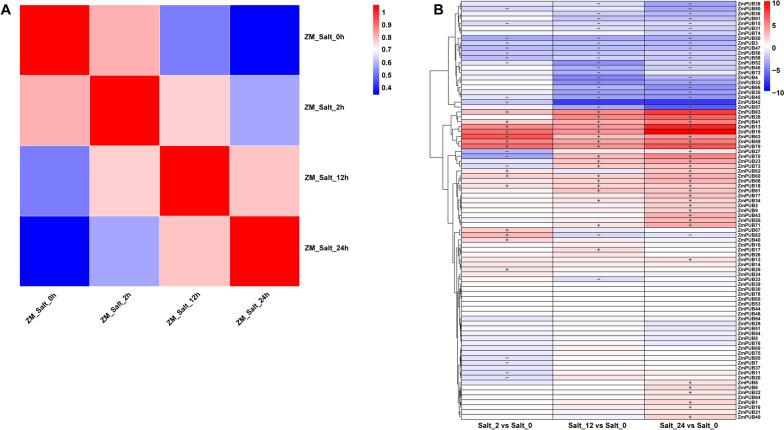
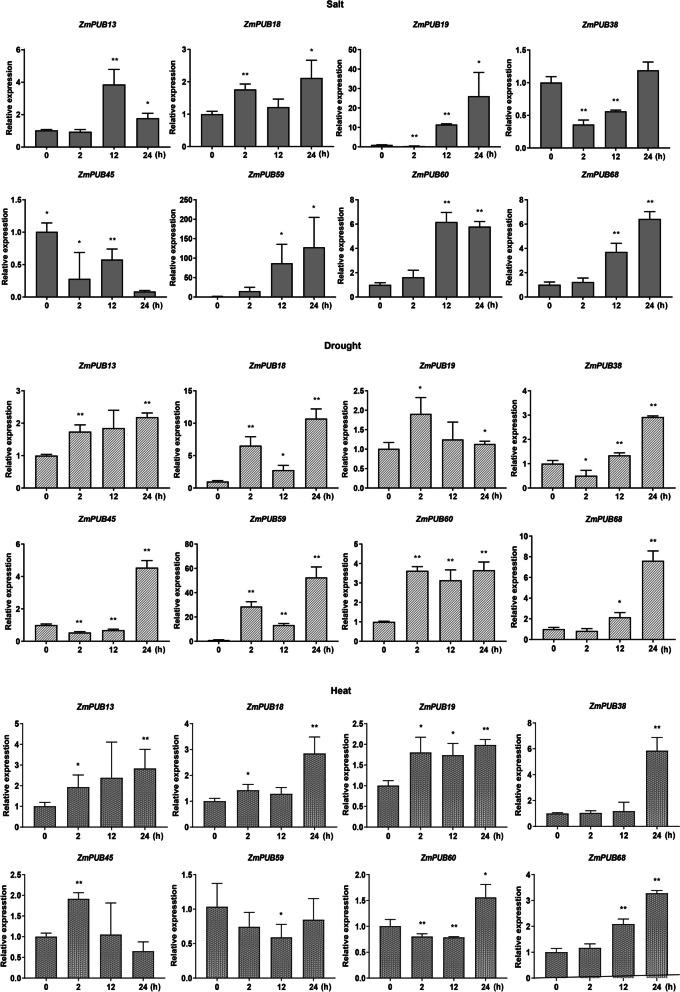
In this study, 85 U-box family proteins were identified in maize and were classified into four subfamilies based on phylogenetic analysis. In addition to the conserved U-box domain, we identified additional functional domains, including Pkinase, ARM, KAP and Tyr domains, by analyzing the conserved motifs and gene structures. Chromosomal localization and collinearity analysis revealed that gene duplications may have contributed to the expansion and evolution of the U-box gene family. GO annotation and KEGG pathway enrichment analysis identified a total of 105 GO terms and 21 KEGG pathways that were notably enriched, including ubiquitin-protein transferase activity, ubiquitin conjugating enzyme activity and ubiquitin-mediated proteolysis pathway. Tissue expression analysis showed that some ZmPUB genes were specifically expressed in certain tissues and that this could be due to their functions. In addition, RNA-seq data for maize seedlings under salt stress revealed 16 stress-inducible plant U-box genes, of which 10 genes were upregulated and 6 genes were downregulated. The qRT-PCR results for genes responding to abiotic stress were consistent with the transcriptome analysis. Among them, ZmPUB13, ZmPUB18, ZmPUB19 and ZmPUB68 were upregulated under all three abiotic stress conditions. Subcellular localization analysis showed that ZmPUB19 and ZmPUB59 were located in the nucleus.
CONCLUSIONS
Overall, our study provides a comprehensive analysis of the U-box gene family in maize and its responses to abiotic stress, suggesting that U-box genes play an important role in the stress response and providing insights into the regulatory mechanisms underlying the response to abiotic stress in maize.
背景
U -box 基因家族编码参与植物激素信号通路和非生物胁迫响应的 E3 泛素连接酶。然而,目前还没有对玉米(Zea mays L.)中 U-box 基因家族及其对非生物胁迫响应的全面分析。
结果
本研究在玉米中鉴定出 85 个 U-box 家族蛋白,并根据系统发育分析将其分为四个亚家族。除了保守的 U-box 结构域外,我们还通过分析保守基序和基因结构,鉴定出其他功能结构域,包括 Pkinase、ARM、KAP 和 Tyr 结构域。染色体定位和共线性分析表明,基因复制可能导致了 U-box 基因家族的扩张和进化。GO 注释和 KEGG 途径富集分析共鉴定到 105 个 GO 术语和 21 个显著富集的 KEGG 途径,包括泛素-蛋白转移酶活性、泛素连接酶活性和泛素介导的蛋白水解途径。组织表达分析表明,一些 ZmPUB 基因在特定组织中特异性表达,这可能与其功能有关。此外,盐胁迫下玉米幼苗的 RNA-seq 数据显示 16 个胁迫诱导的植物 U-box 基因,其中 10 个基因上调,6 个基因下调。非生物胁迫响应基因的 qRT-PCR 结果与转录组分析一致。其中,ZmPUB13、ZmPUB18、ZmPUB19 和 ZmPUB68 在三种非生物胁迫条件下均上调。亚细胞定位分析表明,ZmPUB19 和 ZmPUB59 定位于细胞核。
结论
总的来说,本研究对玉米 U-box 基因家族及其对非生物胁迫的响应进行了全面分析,表明 U-box 基因在胁迫响应中发挥重要作用,为玉米对非生物胁迫响应的调控机制提供了新的见解。

 Zotero 插件