
降钙素原指导抗生素管理:巴尔干专家共识声明。
PROCALCITONIN GUIDED ANTIBIOTIC STEWARDSHIP: A BALKAN EXPERT CONSENSUS STATEMENT.
机构信息
University Clinical Center Niš, Department of Anesthesia and Intensive Therapy, Faculty of Medicine, University of Niš, Niš, Serbia.
Department of Anesthesiology, Maritime and Intensive Medicine, Naval Hospital, Varna, Bulgaria.
出版信息
Acta Clin Croat. 2023 Apr;62(1):36-44. doi: 10.20471/acc.2023.62.01.05.
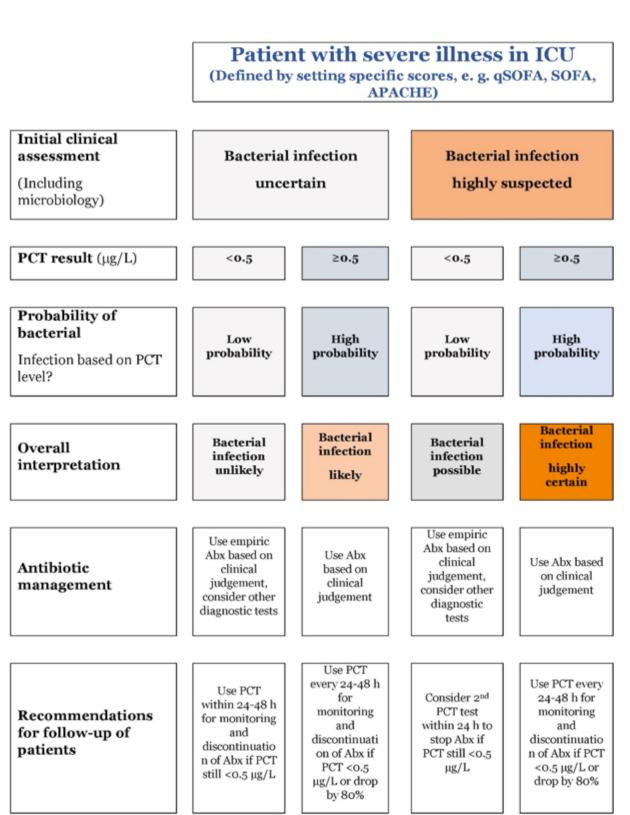
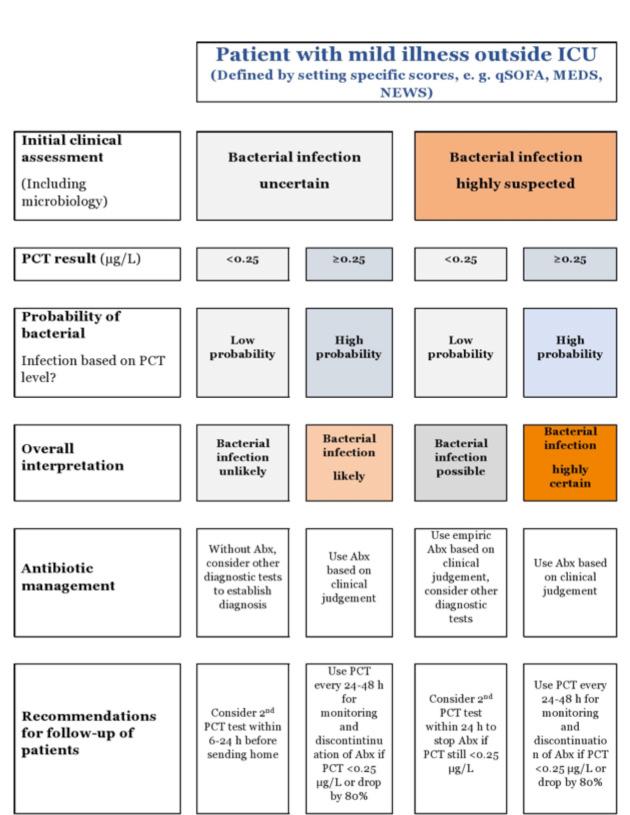
Sepsis as a consequence of infection is a frequent cause of death among critically ill patients. The most common sites of infection are lover respiratory tract, abdominal, urinary tract and catheter-associated blood stream infections. Early empiric, broad-spectrum therapy in those with severe sepsis and/or shock with the aim of reducing mortality may lead to antibiotic overuse, resistance and increased costs. Among numerous serum biomarkers, procalcitonin (PCT) has proved to be one of the most reliable ones in the diagnosis of sepsis. An important means of limiting antibiotic resistance is the antibiotic stewardship program, especially in intensive care units with critically ill patients and prevalence of multiple drug-resistant pathogens. The PCT-guided antibiotic stewardship was first started in Western Europe and Asia-Pacific countries, as well as in the United States. Considering that this method has proven to be effective in reducing antibiotic consumption while improving clinical outcome, a group of experts from the Balkan region decided to make their own recommendations and PCT protocol. When creating this protocol for initiation and duration of antibiotic treatment, they especially reviewed the literature for lower respiratory tract infection and sepsis. In the protocol, they have included the severity of illness, clinical assessment, and PCT levels. Developing a consensus on the clinical algorithm by eminent experts/specialists in various fields of medicine should enable clinicians to use PCT for initiation of antibiotic therapy and monitoring PCT to stop antibiotics earlier. It is crucial that the PCT-guided algorithm becomes an integral part of institutional stewardship program.
感染导致的败血症是重症患者死亡的常见原因。最常见的感染部位是下呼吸道、腹部、泌尿道和导管相关血流感染。对严重败血症和/或休克患者进行早期经验性、广谱治疗,以降低死亡率,可能导致抗生素过度使用、耐药性增加和成本增加。在众多血清生物标志物中,降钙素原 (PCT) 已被证明是诊断败血症最可靠的标志物之一。限制抗生素耐药性的重要手段是抗生素管理计划,特别是在重症监护病房有大量重症患者和多种耐药病原体流行的情况下。PCT 指导的抗生素管理计划首先在西欧、亚太国家以及美国开始实施。考虑到这种方法已被证明在降低抗生素消耗的同时改善临床结局方面是有效的,巴尔干地区的一组专家决定制定自己的建议和 PCT 方案。在制定抗生素治疗的启动和持续时间的方案时,他们特别针对下呼吸道感染和败血症的文献进行了审查。在该方案中,他们纳入了疾病严重程度、临床评估和 PCT 水平。通过医学各领域的知名专家/专家就临床算法达成共识,应使临床医生能够使用 PCT 来启动抗生素治疗,并监测 PCT 以更早地停止抗生素治疗。至关重要的是,PCT 指导的算法成为机构管理计划的一个组成部分。

 Zotero 插件