
GPRC5D 作为多发性骨髓瘤治疗的新靶点:一篇叙述性评论。
GPRC5D as a novel target for the treatment of multiple myeloma: a narrative review.
机构信息
Clínica Universidad de Navarra, CCUN, University of Navarra, Pamplona, Spain.
Amsterdam University Medical Center, Vrije Universiteit Amsterdam, Amsterdam, The Netherlands.
出版信息
Blood Cancer J. 2024 Feb 2;14(1):24. doi: 10.1038/s41408-023-00966-9.
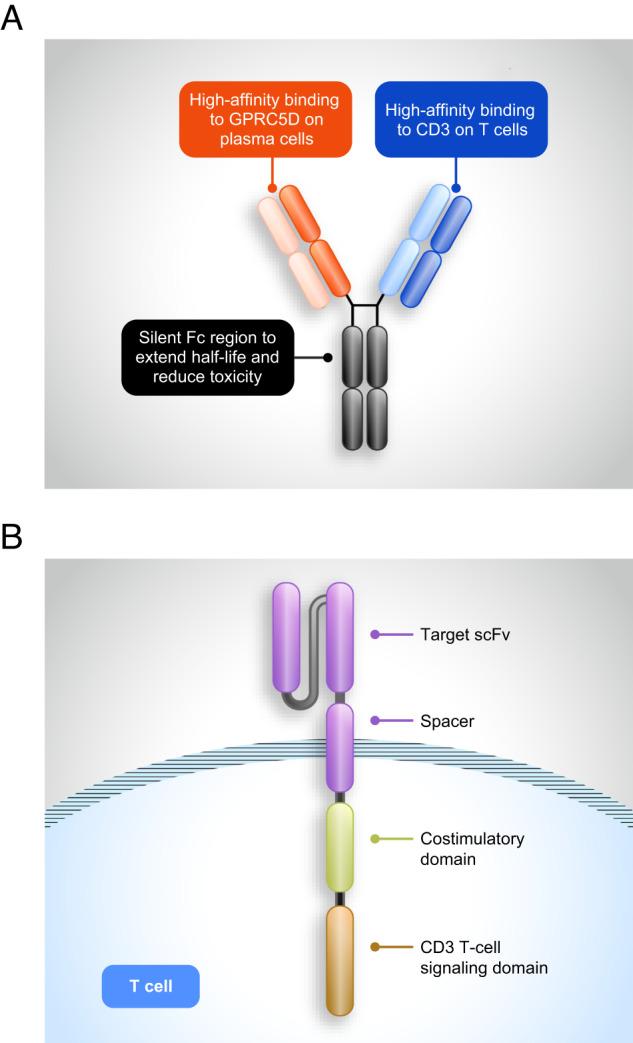
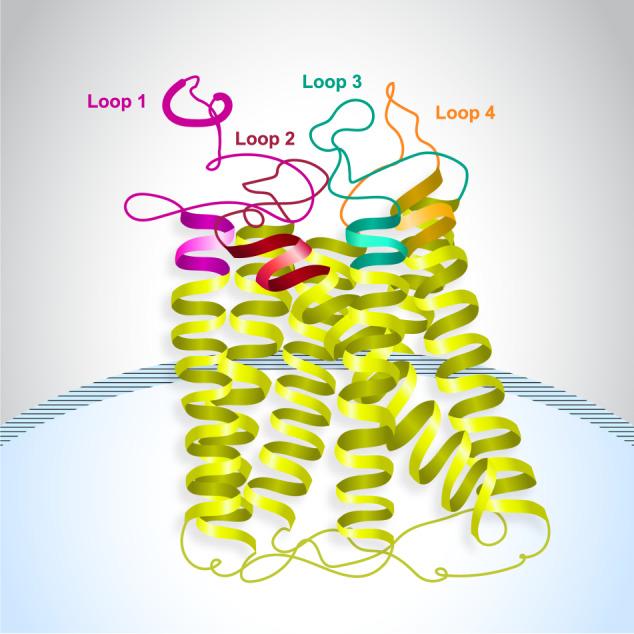
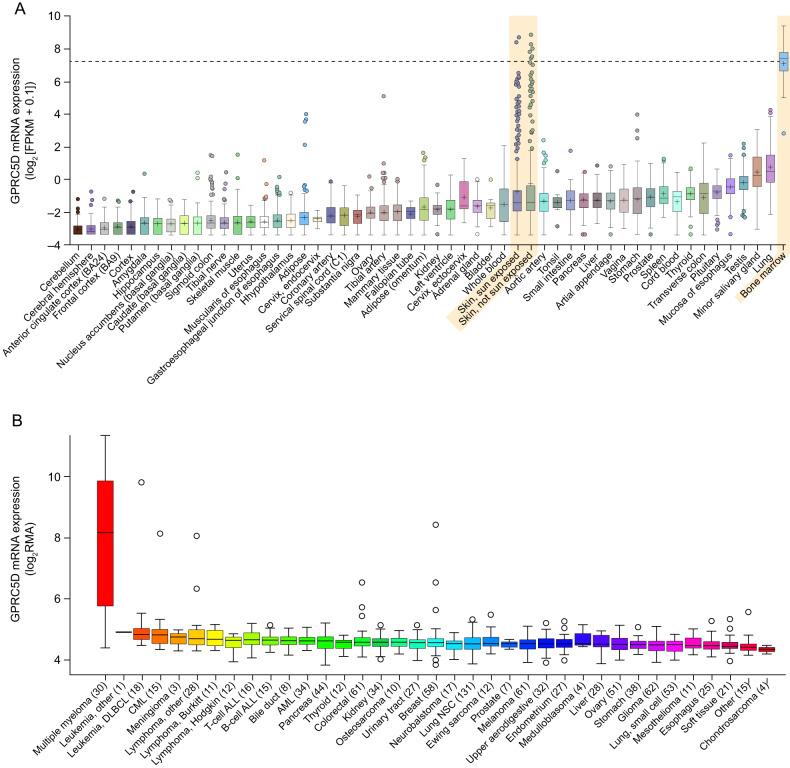
Multiple myeloma is a genetically complex and heterogenous malignancy with a 5-year survival rate of approximately 60%. Despite advances in therapy, patients experience cycles of remission and relapse, with each successive line of therapy associated with poorer outcomes; therefore, therapies with different mechanisms of action against new myeloma antigens are needed. G protein-coupled receptor class C group 5 member D (GPRC5D) has emerged as a novel therapeutic target for the treatment of multiple myeloma. We review the biology and target validation of GPRC5D, and clinical data from early phase trials of GPRC5D-targeting bispecific antibodies, talquetamab and forimtamig, and chimeric antigen receptor T cell (CAR-T) therapies, MCARH109, OriCAR-017, and BMS-986393. In addition to adverse events (AEs) associated with T-cell-redirection therapies irrespective of target, a consistent pattern of dermatologic and oral AEs has been reported across several trials of GPRC5D-targeting bispecific antibodies, as well as rare cerebellar events with CAR-T therapy. Additional studies are needed to understand the underlying mechanisms involved in the development of skin- and oral-related toxicities. We review the strategies that have been used to manage these GPRC5D-related toxicities. Preliminary efficacy data showed overall response rates for GPRC5D-targeting T-cell-redirecting therapies were ≥64%; most responders achieved a very good partial response or better. Pharmacokinetics/pharmacodynamics showed that these therapies led to cytokine release and T-cell activation. In conclusion, results from early phase trials of GPRC5D-targeting T-cell-redirecting agents have shown promising efficacy and manageable safety profiles, including lower infection rates compared with B-cell maturation antigen- and Fc receptor-like protein 5-targeting bispecific antibodies. Further clinical trials, including those investigating GPRC5D-targeting T-cell-redirecting agents in combination with other anti-myeloma therapies and with different treatment modalities, may help to elucidate the future optimal treatment regimen and sequence for patients with multiple myeloma and improve survival outcomes. Video Summary.
多发性骨髓瘤是一种遗传复杂且异质性的恶性肿瘤,5 年生存率约为 60%。尽管治疗取得了进展,但患者经历缓解和复发周期,每增加一线治疗,结果就越差;因此,需要针对新的骨髓瘤抗原具有不同作用机制的治疗方法。G 蛋白偶联受体 C 族 5 型成员 D(GPRC5D)已成为治疗多发性骨髓瘤的新治疗靶点。我们综述了 GPRC5D 的生物学和靶标验证,以及 GPRC5D 靶向双特异性抗体 talquetamab 和 forimtamig、嵌合抗原受体 T 细胞(CAR-T)疗法 MCARH109、OriCAR-017 和 BMS-986393 的早期临床试验数据。除了与靶标无关的 T 细胞重定向治疗相关的不良事件(AE)外,几种 GPRC5D 靶向双特异性抗体的临床试验以及 CAR-T 治疗中罕见的小脑事件均报告了一致的皮肤和口腔不良事件模式。需要进一步研究以了解与皮肤和口腔相关毒性发展相关的潜在机制。我们综述了用于管理这些 GPRC5D 相关毒性的策略。初步疗效数据显示,GPRC5D 靶向 T 细胞重定向疗法的总体缓解率≥64%;大多数应答者达到了非常好的部分缓解或更好。药代动力学/药效学显示,这些疗法导致细胞因子释放和 T 细胞激活。总之,GPRC5D 靶向 T 细胞重定向剂的早期临床试验结果显示出有希望的疗效和可管理的安全性特征,与 B 细胞成熟抗原和 Fc 受体样蛋白 5 靶向双特异性抗体相比,感染率更低。进一步的临床试验,包括研究 GPRC5D 靶向 T 细胞重定向剂与其他抗骨髓瘤疗法联合应用以及不同治疗方式的临床试验,可能有助于阐明多发性骨髓瘤患者未来的最佳治疗方案和治疗顺序,提高生存结果。视频摘要。
 Zotero 插件