
前路漫漫。一项关于德国外科医生对现代手术程序碳足迹的认知和意愿的全国性调查研究。
A long road ahead. A German national survey study on awareness and willingness of surgeons towards the carbon footprint of modern surgical procedures.
作者信息
Jacob Sven, Schust Sophie Anne, Angele Martin, Werner Jens, Guba Markus, Börner Nikolaus
机构信息
Ludwig-Maximilians-University, Department of General, Visceral and Transplantation Surgery, Munich, Germany.
出版信息
Heliyon. 2024 Jan 24;10(3):e25198. doi: 10.1016/j.heliyon.2024.e25198. eCollection 2024 Feb 15.
BACKGROUND
Climate change may well be the "largest threat" to humankind. Changes to our climate system lead to a decrease in global health. The healthcare sector presents one of the largest carbon footprints across all industries. Since surgical departments have one of the largest carbon footprints within the healthcare sector, they represent an area with vast opportunities for improvement. To drive change, it is vital to create awareness of these issues and encourage engagement in changes among people working in the healthcare industry.
METHODS
We conducted an anonymous cross-sectional survey study to assess awareness among surgeons regarding the impact of healthcare systems on climate change. The questions were designed to investigate surgeons' willingness to accept and promote changes to reduce carbon footprints. Participants included surgical professionals of all ages and levels of expertise.
RESULTS
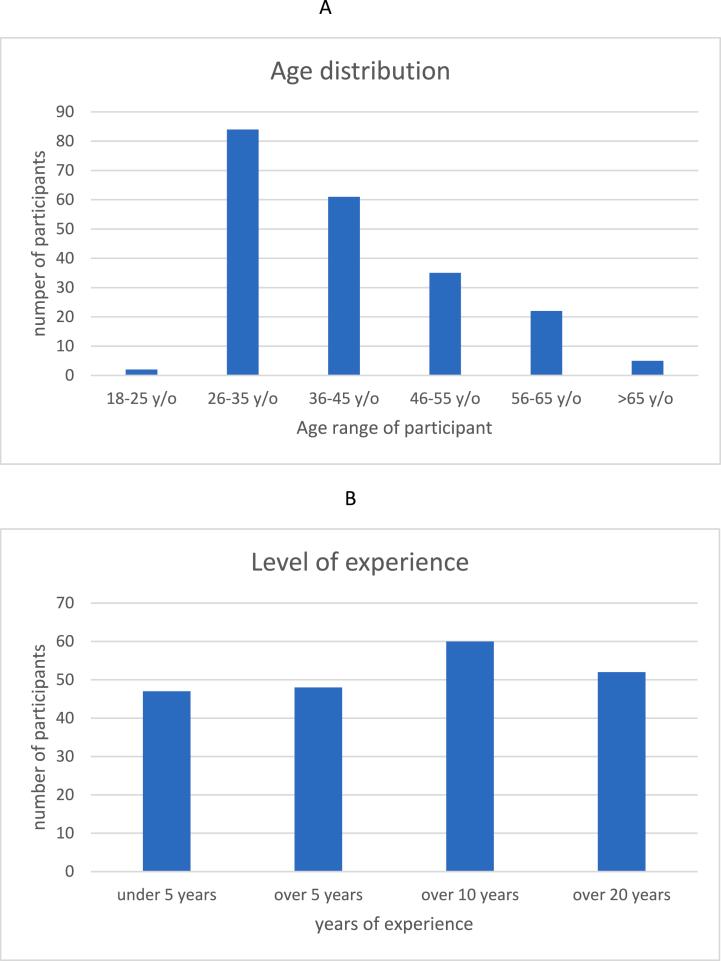
A total of 210 participants completed the survey in full and were included in the evaluation. Sixty percent emphasized a lack of information and the need for personal education. Over 90 % expressed concern for the environment and a strong desire to gain new insights. Provided that clinical performance remains the same, more than 70 % are willing to embrace carbon-friendly alternatives. In this context, all participants accepted the additional time required for training and initially increased personal efforts to achieve equal performance.
CONCLUSION
Limited awareness and information about carbon footprints were observed in surgical departments in German hospitals. Nevertheless, the vast majority of surgeons across all age groups are more than willing to acquire new insights and adapt to changes in order to reduce energy consumption and carbon dioxide production.
背景
气候变化很可能是对人类的“最大威胁”。我们气候系统的变化导致全球健康水平下降。医疗保健部门是所有行业中碳足迹最大的部门之一。由于外科科室在医疗保健部门中碳足迹最大,它们是一个有巨大改进空间的领域。为推动变革,提高对这些问题的认识并鼓励医疗行业从业者参与变革至关重要。
方法
我们进行了一项匿名横断面调查研究,以评估外科医生对医疗系统对气候变化影响的认识。问题旨在调查外科医生接受并推动减少碳足迹变革的意愿。参与者包括所有年龄和专业水平的外科专业人员。
结果
共有210名参与者完整完成了调查并被纳入评估。60%的人强调缺乏信息以及需要个人教育。超过90%的人表达了对环境的关注以及获得新见解的强烈愿望。如果临床性能保持不变,超过70%的人愿意采用碳友好型替代方案。在此背景下,所有参与者都接受了培训所需的额外时间,并最初增加了个人努力以实现同等性能。
结论
德国医院的外科科室对碳足迹的认识和信息有限。然而,所有年龄组的绝大多数外科医生都非常愿意获取新见解并适应变革,以减少能源消耗和二氧化碳排放。


 Zotero 插件