
基于特征图的数据中心人工嗅觉系统。
Data-centric artificial olfactory system based on the eigengraph.
机构信息
School of Mechanical Engineering, Yonsei University, Seoul, 03722, Republic of Korea.
Finance Division, Daejeon Metropolitan Office of Education, Daejeon, 35239, Republic of Korea.
出版信息
Nat Commun. 2024 Feb 8;15(1):1211. doi: 10.1038/s41467-024-45430-9.
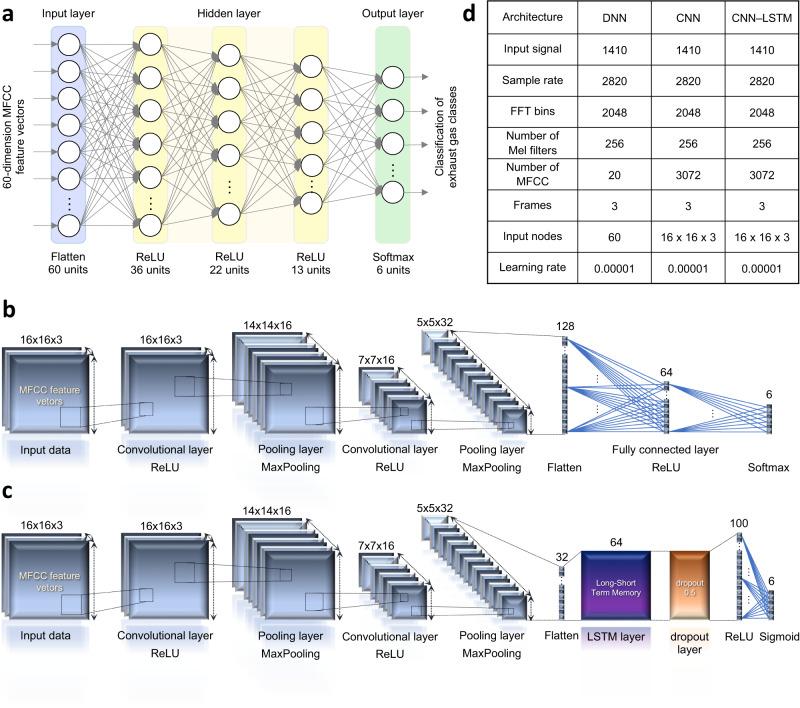
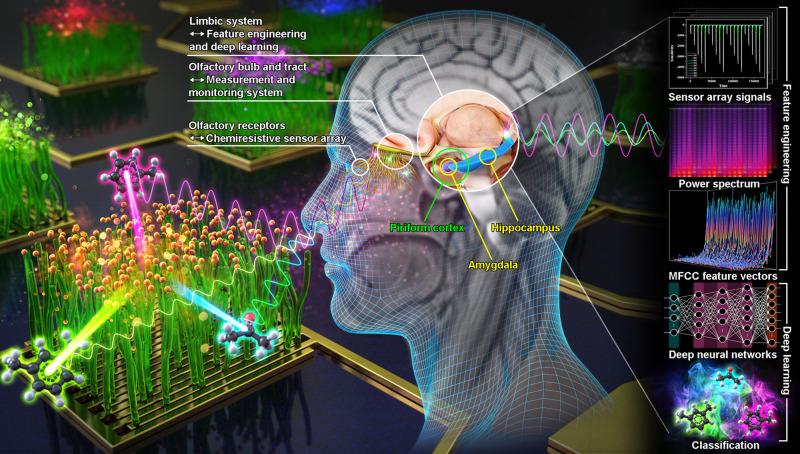
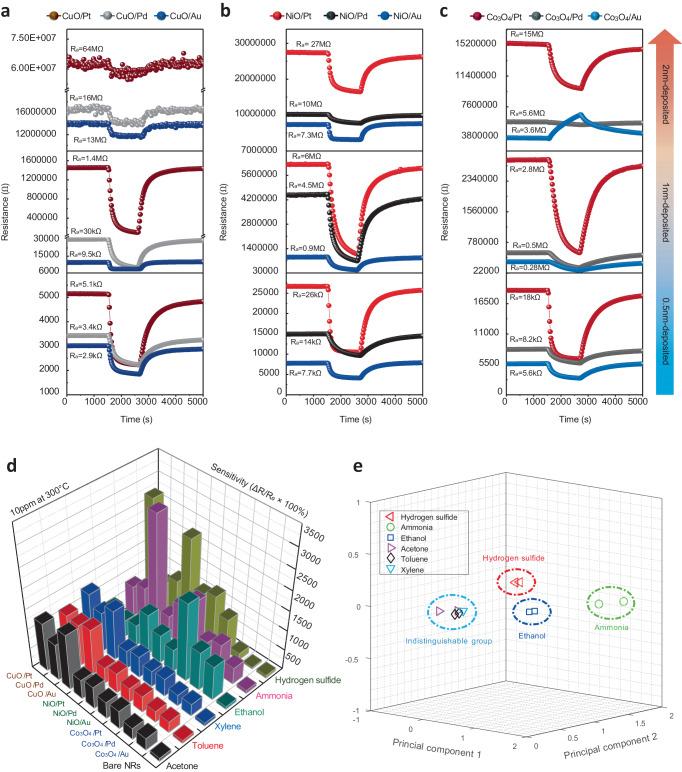
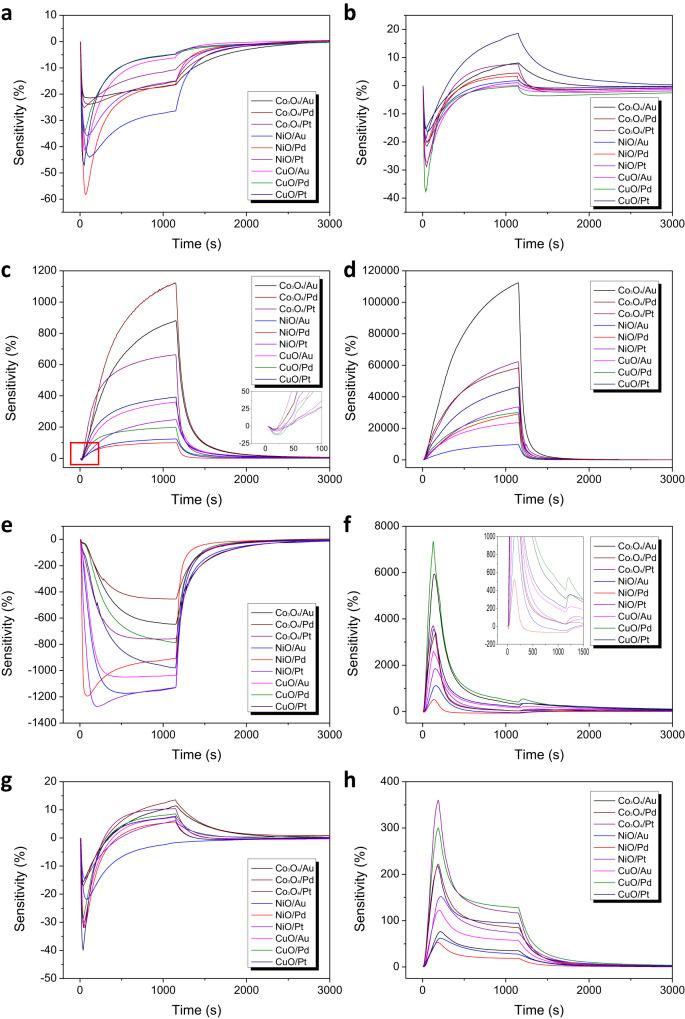
Recent studies of electronic nose system tend to waste significant amount of important data in odor identification. Until now, the sensitivity-oriented data composition has made it difficult to discover meaningful data to apply artificial intelligence in terms of in-depth analysis for odor attributes specifying the identities of gas molecules, ultimately resulting in hindering the advancement of the artificial olfactory technology. Here, we realize a data-centric approach to implement standardized artificial olfactory systems inspired by human olfactory mechanisms by formally defining and utilizing the concept of Eigengraph in electrochemisty. The implicit odor attributes of the eigengraphs were mathematically substantialized as the Fourier transform-based Mel-Frequency Cepstral Coefficient feature vectors. Their effectiveness and applicability in deep learning processes for gas classification have been clearly demonstrated through experiments on complex mixed gases and automobile exhaust gases. We suggest that our findings can be widely applied as source technologies to develop standardized artificial olfactory systems.
最近的电子鼻系统研究倾向于在气味识别中浪费大量重要数据。到目前为止,以灵敏度为导向的数据构成使得很难发现有意义的数据,从而难以将人工智能应用于深入分析气味属性,以确定气体分子的身份,最终阻碍了人工嗅觉技术的发展。在这里,我们通过正式定义和利用电化学中的特征图概念,实现了一种以数据为中心的方法,以实现受人类嗅觉机制启发的标准化人工嗅觉系统。特征图的隐含气味属性被数学地实质性化为基于傅里叶变换的梅尔频率倒谱系数特征向量。通过对复杂混合气体和汽车尾气的实验,清楚地证明了它们在气体分类的深度学习过程中的有效性和适用性。我们认为,我们的发现可以作为开发标准化人工嗅觉系统的源技术得到广泛应用。


 Zotero 插件