
微生物群-肠-脑轴及其在神经退行性疾病中的治疗应用。
Microbiota-gut-brain axis and its therapeutic applications in neurodegenerative diseases.
机构信息
School of Pharmacy, Monash University Malaysia, Jalan Lagoon Selatan, 47500, Bandar Sunway, Selangor, Malaysia.
School of Pharmacy, Faculty of Health & Medical Sciences, Taylor's University, 1, Jalan Taylors, Subang Jaya, 47500, Selangor, Malaysia.
出版信息
Signal Transduct Target Ther. 2024 Feb 16;9(1):37. doi: 10.1038/s41392-024-01743-1.
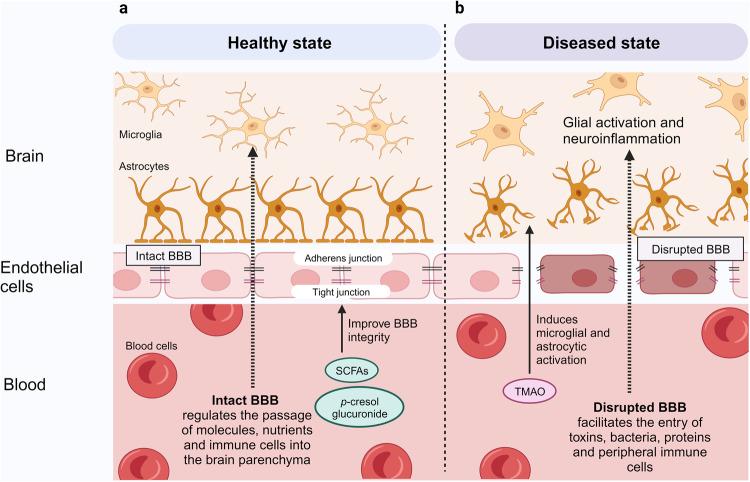
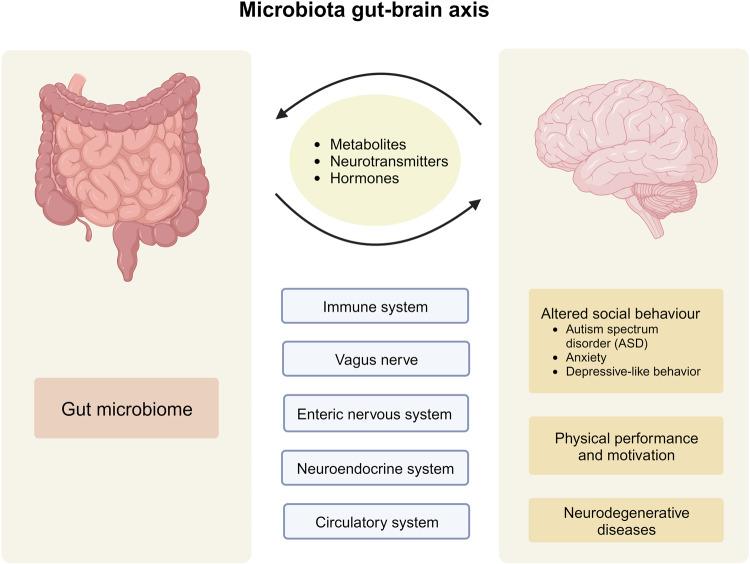
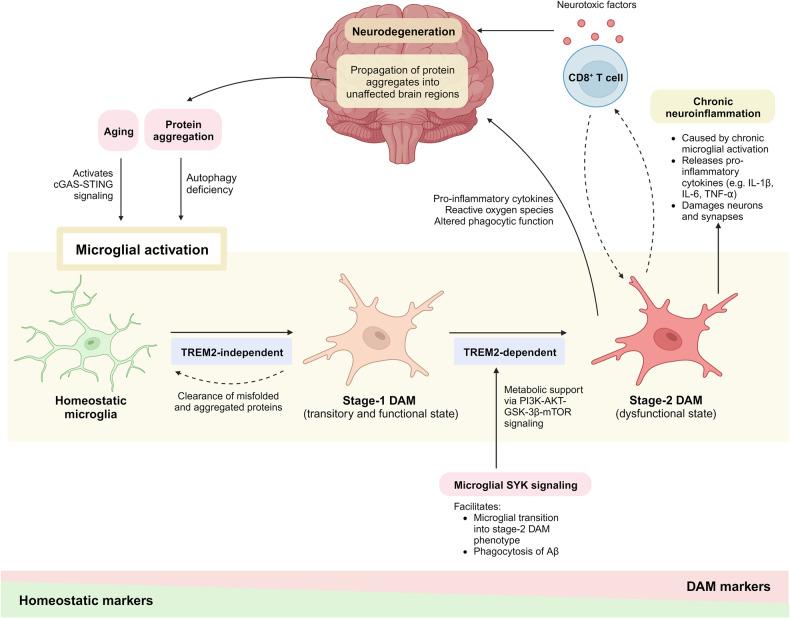
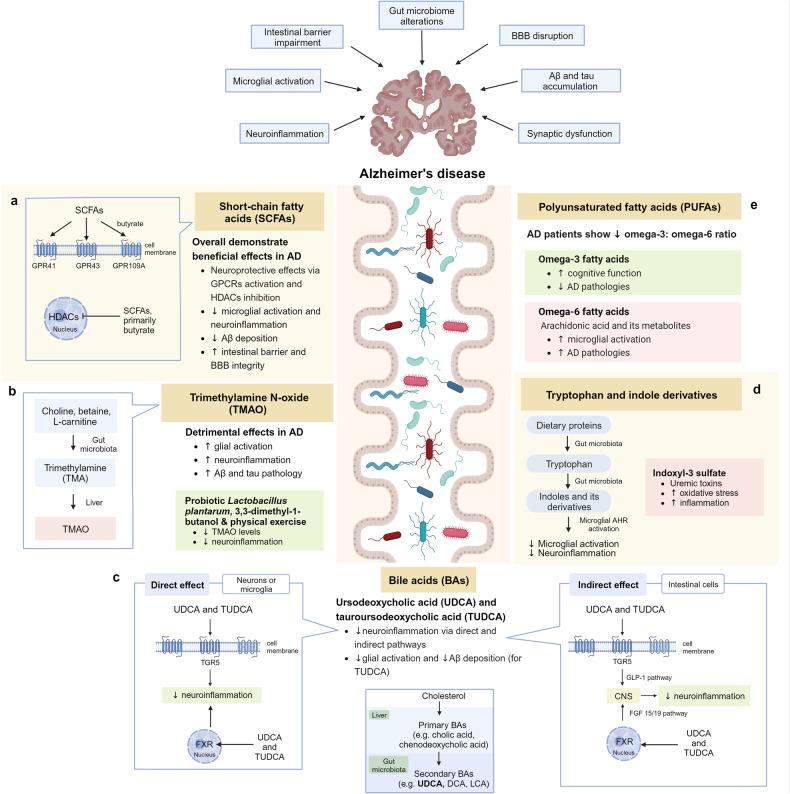
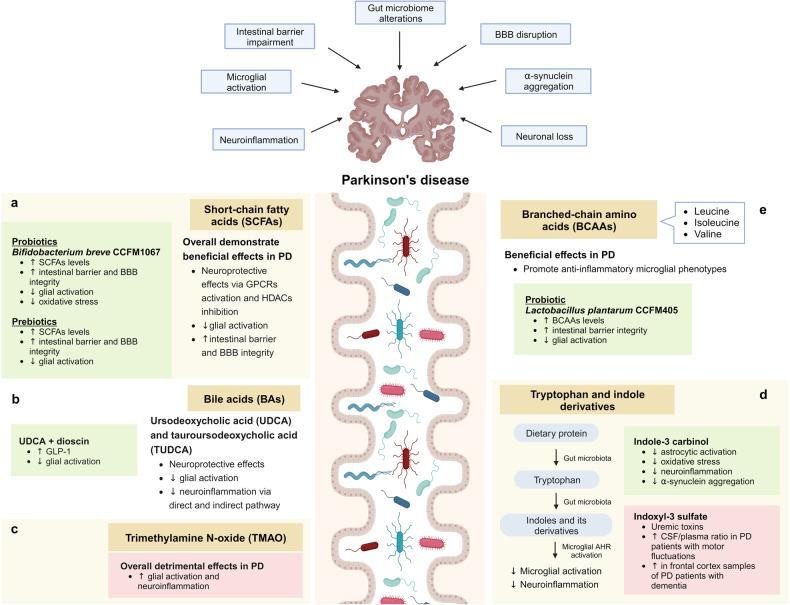
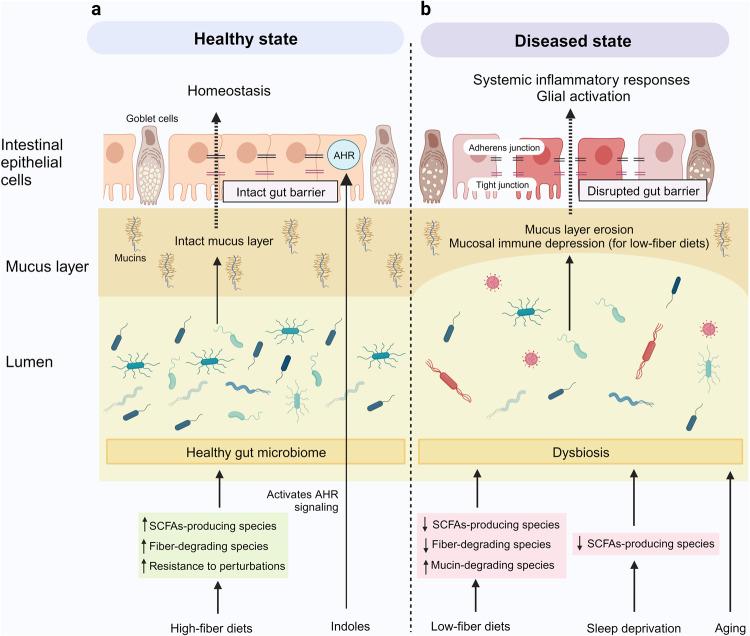
The human gastrointestinal tract is populated with a diverse microbial community. The vast genetic and metabolic potential of the gut microbiome underpins its ubiquity in nearly every aspect of human biology, including health maintenance, development, aging, and disease. The advent of new sequencing technologies and culture-independent methods has allowed researchers to move beyond correlative studies toward mechanistic explorations to shed light on microbiome-host interactions. Evidence has unveiled the bidirectional communication between the gut microbiome and the central nervous system, referred to as the "microbiota-gut-brain axis". The microbiota-gut-brain axis represents an important regulator of glial functions, making it an actionable target to ameliorate the development and progression of neurodegenerative diseases. In this review, we discuss the mechanisms of the microbiota-gut-brain axis in neurodegenerative diseases. As the gut microbiome provides essential cues to microglia, astrocytes, and oligodendrocytes, we examine the communications between gut microbiota and these glial cells during healthy states and neurodegenerative diseases. Subsequently, we discuss the mechanisms of the microbiota-gut-brain axis in neurodegenerative diseases using a metabolite-centric approach, while also examining the role of gut microbiota-related neurotransmitters and gut hormones. Next, we examine the potential of targeting the intestinal barrier, blood-brain barrier, meninges, and peripheral immune system to counteract glial dysfunction in neurodegeneration. Finally, we conclude by assessing the pre-clinical and clinical evidence of probiotics, prebiotics, and fecal microbiota transplantation in neurodegenerative diseases. A thorough comprehension of the microbiota-gut-brain axis will foster the development of effective therapeutic interventions for the management of neurodegenerative diseases.
人类胃肠道中存在着多样化的微生物群落。肠道微生物组的巨大遗传和代谢潜力支持了其在人类生物学的几乎各个方面的普遍存在,包括维持健康、发育、衰老和疾病。新测序技术和非培养方法的出现,使研究人员能够从相关性研究转向机制探索,以揭示微生物组与宿主的相互作用。有证据表明,肠道微生物组与中枢神经系统之间存在双向通讯,被称为“微生物群-肠-脑轴”。微生物群-肠-脑轴是神经胶质功能的重要调节剂,因此是改善神经退行性疾病发展和进展的可行靶点。在这篇综述中,我们讨论了微生物群-肠-脑轴在神经退行性疾病中的作用机制。由于肠道微生物组为小胶质细胞、星形胶质细胞和少突胶质细胞提供了必要的线索,我们研究了在健康状态和神经退行性疾病期间肠道微生物群与这些神经胶质细胞之间的通讯。随后,我们使用代谢物为中心的方法讨论了微生物群-肠-脑轴在神经退行性疾病中的作用机制,同时还研究了肠道微生物群相关神经递质和肠激素的作用。接下来,我们研究了靶向肠道屏障、血脑屏障、脑膜和外周免疫系统以对抗神经退行性变中神经胶质功能障碍的潜力。最后,我们通过评估益生菌、益生元和粪便微生物移植在神经退行性疾病中的临床前和临床证据来进行总结。对微生物群-肠-脑轴的深入理解将促进针对神经退行性疾病管理的有效治疗干预措施的发展。
 Zotero 插件