
有效的γδ T细胞临床疗法:癌症免疫疗法的当前局限性与未来展望
Effective γδ T-cell clinical therapies: current limitations and future perspectives for cancer immunotherapy.
作者信息
Revesz Isabella A, Joyce Paul, Ebert Lisa M, Prestidge Clive A
机构信息
Clinical Health Sciences University of South Australia Adelaide SA Australia.
Centre for Cancer Biology SA Pathology and University of South Australia Adelaide SA Australia.
出版信息
Clin Transl Immunology. 2024 Feb 19;13(2):e1492. doi: 10.1002/cti2.1492. eCollection 2024.
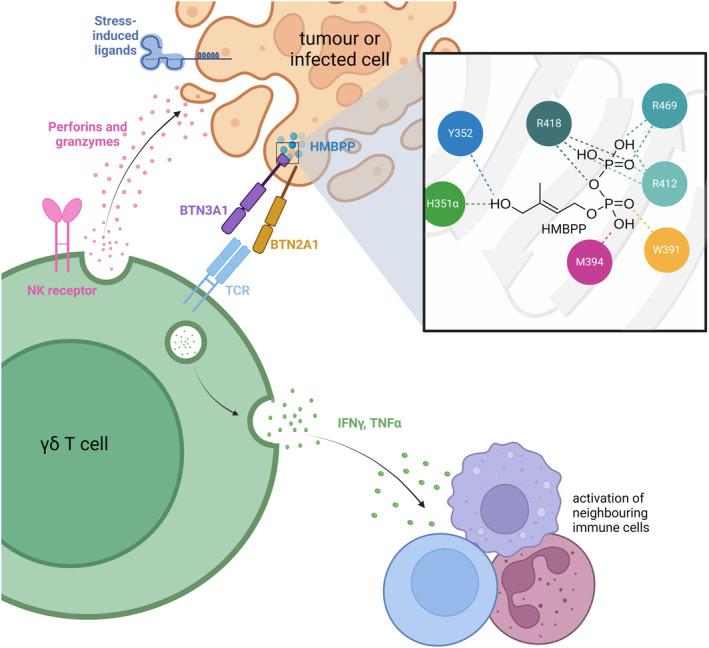
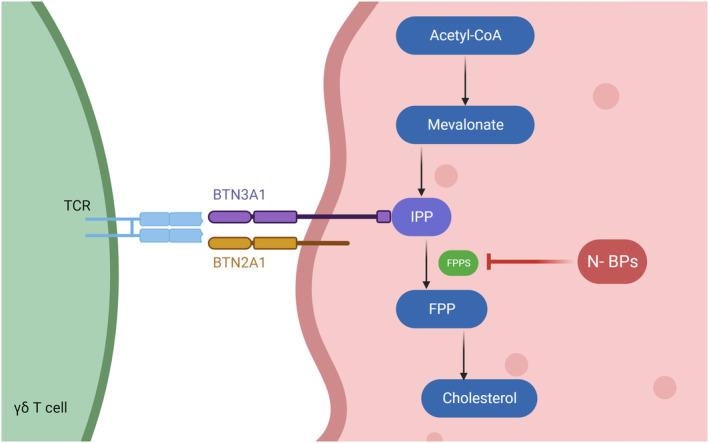
γδ T cells are a unique subset of T lymphocytes, exhibiting features of both innate and adaptive immune cells and are involved with cancer immunosurveillance. They present an attractive alternative to conventional T cell-based immunotherapy due, in large part, to their lack of major histocompatibility (MHC) restriction and ability to secrete high levels of cytokines with well-known anti-tumour functions. To date, clinical trials using γδ T cell-based immunotherapy for a range of haematological and solid cancers have yielded limited success compared with studies. This inability to translate the efficacy of γδ T-cell therapies from preclinical to clinical trials is attributed to a combination of several factors, e.g. γδ T-cell agonists that are commonly used to stimulate populations of these cells have limited cellular uptake yet rely on intracellular mechanisms; administered γδ T cells display low levels of tumour-infiltration; and there is a gap in the understanding of γδ T-cell inhibitory receptors. This review explores the discrepancy between γδ T-cell clinical and preclinical performance and offers viable avenues to overcome these obstacles. Using more direct γδ T-cell agonists, encapsulating these agonists into lipid nanocarriers to improve their pharmacokinetic and pharmacodynamic profiles and the use of combination therapies to overcome checkpoint inhibition and T-cell exhaustion are ways to bridge the gap between preclinical and clinical success. Given the ability to overcome these limitations, the development of a more targeted γδ T-cell agonist-checkpoint blockade combination therapy has the potential for success in clinical trials which has to date remained elusive.
γδ T细胞是T淋巴细胞的一个独特亚群,兼具先天性和适应性免疫细胞的特征,并参与癌症免疫监视。很大程度上,由于它们缺乏主要组织相容性(MHC)限制,且能够分泌具有众所周知抗肿瘤功能的高水平细胞因子,它们为传统的基于T细胞的免疫疗法提供了一个有吸引力的替代方案。迄今为止,与研究相比,使用基于γδ T细胞的免疫疗法治疗一系列血液系统癌症和实体癌的临床试验取得的成功有限。γδ T细胞疗法无法从临床前试验转化为临床试验,这归因于多种因素的综合作用,例如,常用于刺激这些细胞群体的γδ T细胞激动剂细胞摄取有限,但依赖细胞内机制;给予的γδ T细胞显示出低水平的肿瘤浸润;并且在对γδ T细胞抑制性受体的理解上存在差距。本综述探讨了γδ T细胞临床和临床前表现之间的差异,并提供了克服这些障碍的可行途径。使用更直接的γδ T细胞激动剂,将这些激动剂封装到脂质纳米载体中以改善其药代动力学和药效学特性,以及使用联合疗法来克服检查点抑制和T细胞耗竭,是弥合临床前和临床成功之间差距的方法。鉴于有能力克服这些限制,开发一种更具针对性的γδ T细胞激动剂 - 检查点阻断联合疗法在临床试验中具有成功的潜力,而迄今为止这一潜力仍难以实现。



 Zotero 插件