
下一代治疗方法:针对新冠病毒的免疫疗法和先进疗法。
Next-generation treatments: Immunotherapy and advanced therapies for COVID-19.
作者信息
Arevalo-Romero Jenny Andrea, Chingaté-López Sandra M, Camacho Bernardo Armando, Alméciga-Díaz Carlos Javier, Ramirez-Segura Cesar A
机构信息
Laboratorio de Investigación en Ingeniería Celular y Molecular, Instituto Distrital de Ciencia, Biotecnología e Innovación en Salud, IDCBIS, 111611, Bogotá, DC, Colombia.
Instituto de Errores Innatos del Metabolismo, Facultad de Ciencias, Pontificia Universidad Javeriana, 110231, Bogotá, D.C., Colombia.
出版信息
Heliyon. 2024 Feb 19;10(5):e26423. doi: 10.1016/j.heliyon.2024.e26423. eCollection 2024 Mar 15.
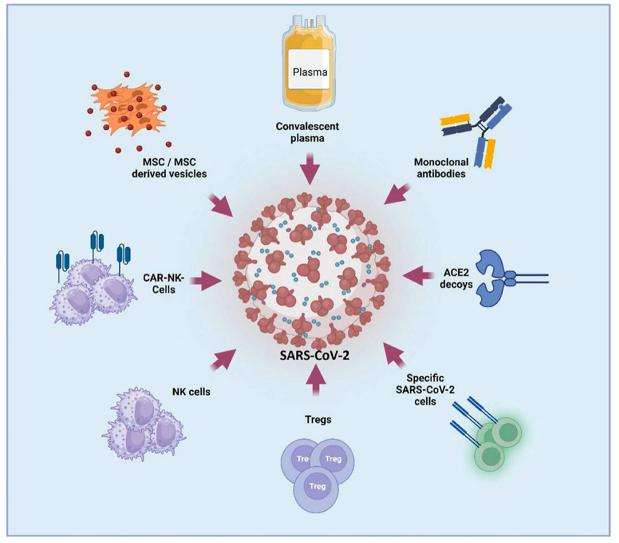
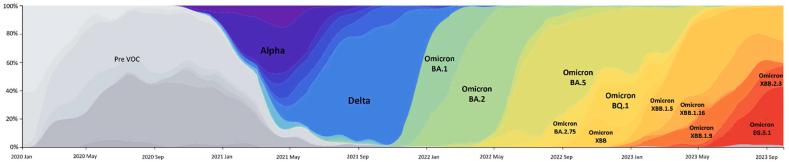
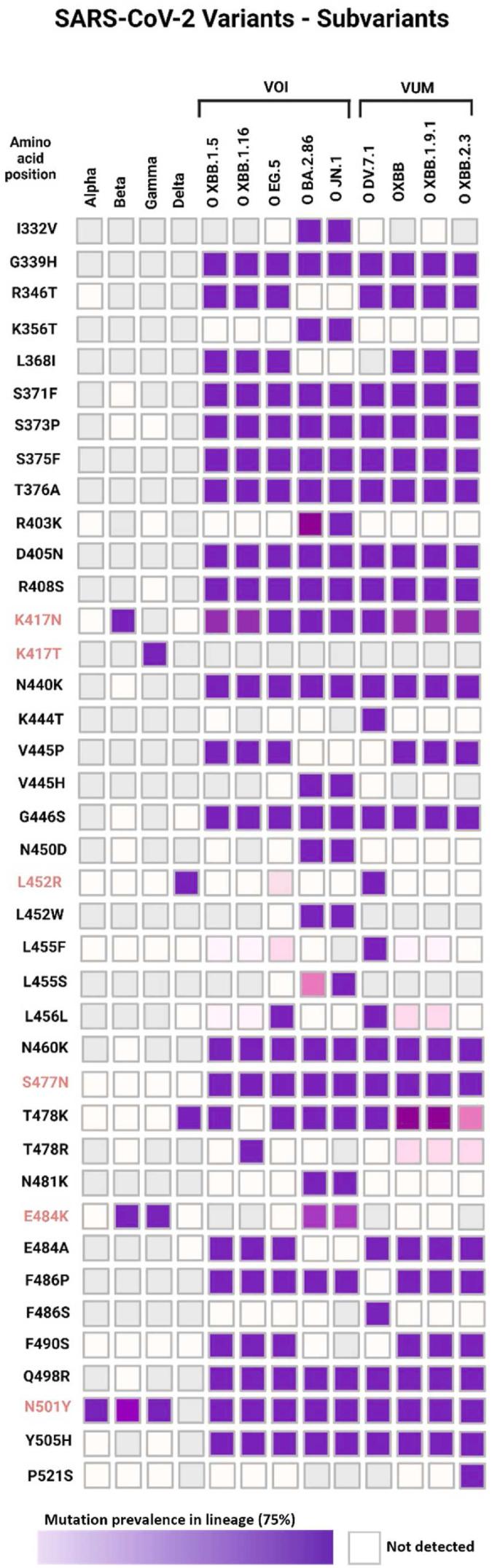
The COVID-19 pandemic, caused by severe acute respiratory syndrome coronavirus 2 (SARS-CoV-2), emerged in 2019 following prior outbreaks of coronaviruses like SARS and MERS in recent decades, underscoring their high potential of infectivity in humans. Insights from previous outbreaks of SARS and MERS have played a significant role in developing effective strategies to mitigate the global impact of SARS-CoV-2. As of January 7, 2024, there have been 774,075,242 confirmed cases of COVID-19 worldwide. To date, 13.59 billion vaccine doses have been administered, and there have been 7,012,986 documented fatalities (https://www.who.int/) Despite significant progress in addressing the COVID-19 pandemic, the rapid evolution of SARS-CoV-2 challenges human defenses, presenting ongoing global challenges. The emergence of new SARS-CoV-2 lineages, shaped by mutation and recombination processes, has led to successive waves of infections. This scenario reveals the need for next-generation vaccines as a crucial requirement for ensuring ongoing protection against SARS-CoV-2. This demand calls for formulations that trigger a robust adaptive immune response without leading the acute inflammation linked with the infection. Key mutations detected in the Spike protein, a critical target for neutralizing antibodies and vaccine design -specifically within the Receptor Binding Domain region of Omicron variant lineages (B.1.1.529), currently dominant worldwide, have intensified concerns due to their association with immunity evasion from prior vaccinations and infections. As the world deals with this evolving threat, the narrative extends to the realm of emerging variants, each displaying new mutations with implications that remain largely misunderstood. Notably, the JN.1 Omicron lineage is gaining global prevalence, and early findings suggest it stands among the immune-evading variants, a characteristic attributed to its mutation L455S. Moreover, the detrimental consequences of the novel emergence of SARS-CoV-2 lineages bear a particularly critical impact on immunocompromised individuals and older adults. Immunocompromised individuals face challenges such as suboptimal responses to COVID-19 vaccines, rendering them more susceptible to severe disease. Similarly, older adults have an increased risk of severe disease and the presence of comorbid conditions, find themselves at a heightened vulnerability to develop COVID-19 disease. Thus, recognizing these intricate factors is crucial for effectively tailoring public health strategies to protect these vulnerable populations. In this context, this review aims to describe, analyze, and discuss the current progress of the next-generation treatments encompassing immunotherapeutic approaches and advanced therapies emerging as complements that will offer solutions to counter the disadvantages of the existing options. Preliminary outcomes show that these strategies target the virus and address the immunomodulatory responses associated with COVID-19. Furthermore, the capacity to promote tissue repair has been demonstrated, which can be particularly noteworthy for immunocompromised individuals who stand as vulnerable actors in the global landscape of coronavirus infections. The emerging next-generation treatments possess broader potential, offering protection against a wide range of variants and enhancing the ability to counter the impact of the constant evolution of the virus. Furthermore, advanced therapies are projected as potential treatment alternatives for managing Chronic Post-COVID-19 syndromeand addressing its associated long-term complications.
2019年,由严重急性呼吸综合征冠状病毒2(SARS-CoV-2)引起的新冠疫情爆发。在此之前,近几十年来曾爆发过如SARS和MERS等冠状病毒疫情,凸显了它们在人类中的高传染性潜力。先前SARS和MERS疫情的相关见解在制定有效策略以减轻SARS-CoV-2对全球的影响方面发挥了重要作用。截至2024年1月7日,全球累计确诊新冠病例达774,075,242例。迄今为止,已接种135.9亿剂疫苗,有记录的死亡病例达7,012,986例(https://www.who.int/)。尽管在应对新冠疫情方面取得了重大进展,但SARS-CoV-2的快速进化对人类防御构成挑战,带来持续的全球挑战。由突变和重组过程形成的新型SARS-CoV-2谱系不断出现,引发了一波又一波的感染。这种情况表明,需要新一代疫苗作为确保持续抵御SARS-CoV-2的关键需求。这一需求要求疫苗配方能够引发强大的适应性免疫反应,同时不会引发与感染相关的急性炎症。在刺突蛋白中检测到的关键突变,即中和抗体和疫苗设计的关键靶点,特别是在目前全球占主导地位的奥密克戎变种谱系(B.1.1.529)的受体结合域区域内的突变,因其与先前疫苗接种和感染产生的免疫逃逸有关,加剧了人们的担忧。随着世界应对这一不断演变的威胁,话题延伸到了新出现的变种领域,每个变种都显示出具有新突变,但其影响在很大程度上仍未被充分理解。值得注意的是,JN.1奥密克戎谱系在全球范围内的流行率正在上升,早期研究结果表明它属于免疫逃逸变种,这一特征归因于其L455S突变。此外,新型SARS-CoV-2谱系的出现所带来的有害后果对免疫功能低下的个体和老年人产生了尤为严重的影响。免疫功能低下的个体面临诸如对新冠疫苗反应欠佳等挑战,这使他们更容易患上重症。同样,老年人患重症的风险增加,且存在合并症,更容易感染新冠病毒。因此,认识到这些复杂因素对于有效制定公共卫生策略以保护这些弱势群体至关重要。在此背景下

 Zotero 插件