
嵌合抗原受体 T 细胞疗法在多发性骨髓瘤中的应用:开启未来。
CAR T therapies in multiple myeloma: unleashing the future.
机构信息
Cellular and Molecular Research Center, Qom University of Medical Sciences, Qom, Iran.
Stem Cell Biology Research Center, Yazd Reproductive Sciences Institute, Shahid Sadoughi, University of Medical Sciences, Yazd, Iran.
出版信息
Cancer Gene Ther. 2024 May;31(5):667-686. doi: 10.1038/s41417-024-00750-2. Epub 2024 Mar 4.
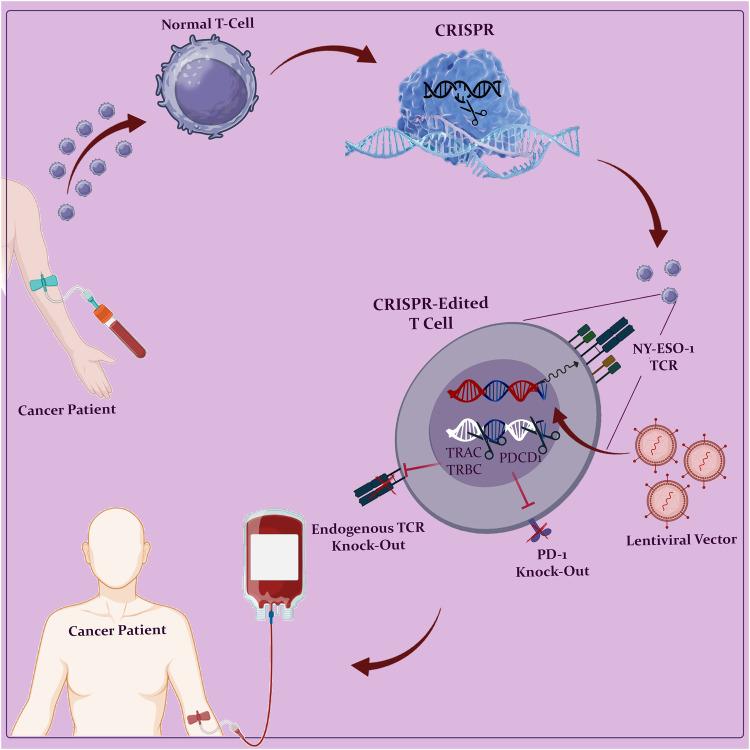
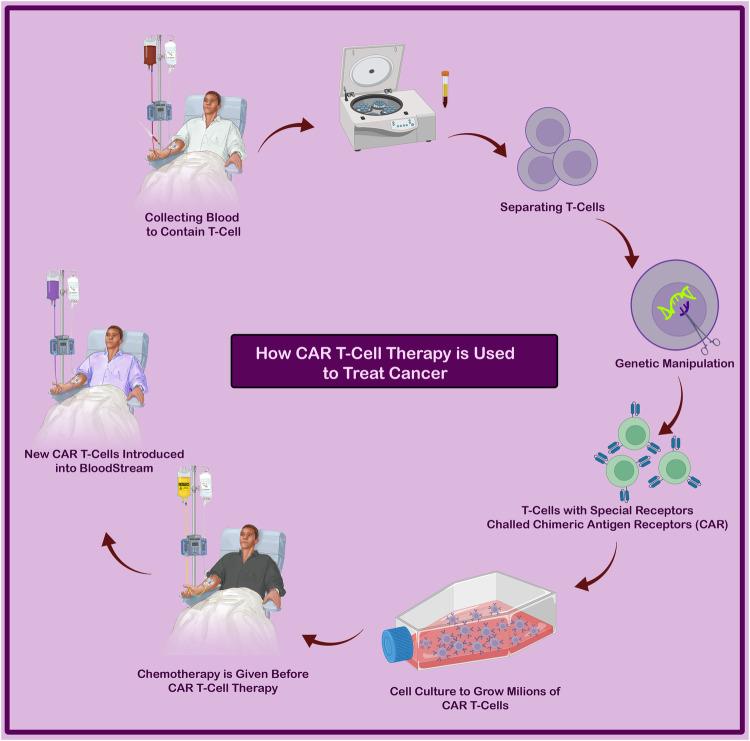
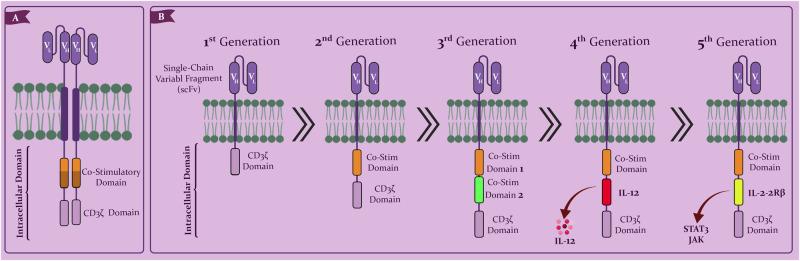
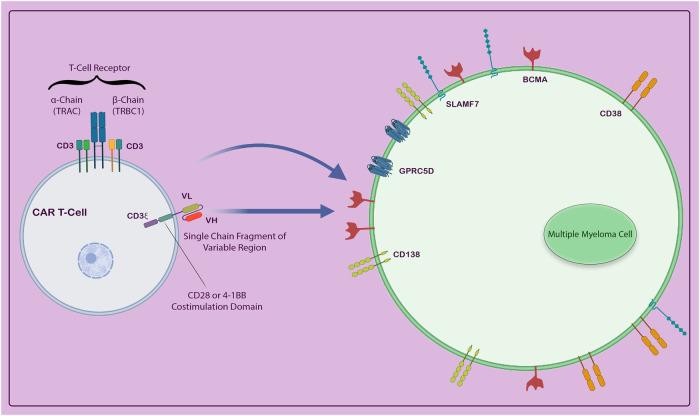
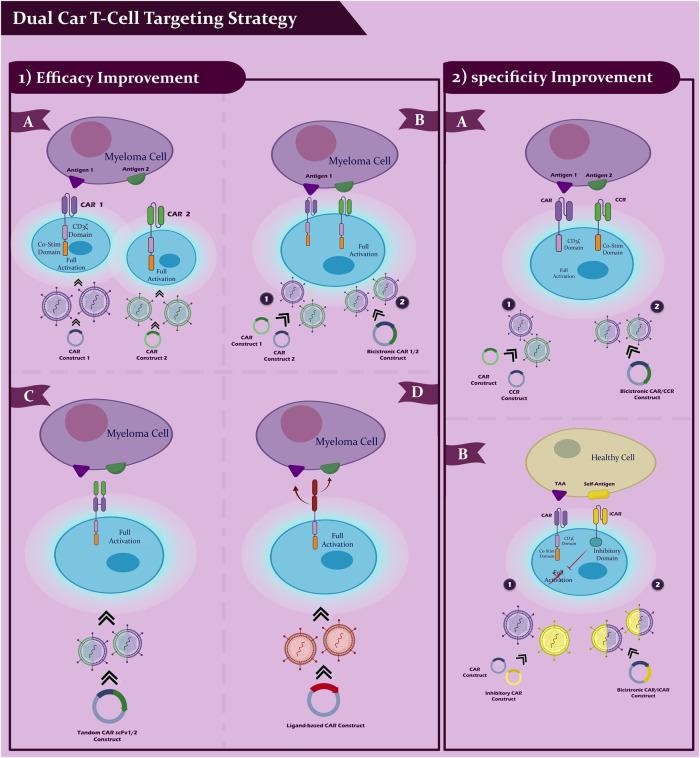
In recent years, the field of cancer treatment has witnessed remarkable breakthroughs that have revolutionized the landscape of care for cancer patients. While traditional pillars such as surgery, chemotherapy, and radiation therapy have long been available, a cutting-edge therapeutic approach called CAR T-cell therapy has emerged as a game-changer in treating multiple myeloma (MM). This novel treatment method complements options like autologous stem cell transplants and immunomodulatory medications, such as proteasome inhibitors, by utilizing protein complexes or anti-CD38 antibodies with potent complement-dependent cytotoxic effects. Despite the challenges and obstacles associated with these treatments, the recent approval of the second FDA multiple myeloma CAR T-cell therapy has sparked immense promise in the field. Thus far, the results indicate its potential as a highly effective therapeutic solution. Moreover, ongoing preclinical and clinical trials are exploring the capabilities of CAR T-cells in targeting specific antigens on myeloma cells, offering hope for patients with relapsed/refractory MM (RRMM). These advancements have shown the potential for CAR T cell-based medicines or combination therapies to elicit greater treatment responses and minimize side effects. In this context, it is crucial to delve into the history and functions of CAR T-cells while acknowledging their limitations. We can strategize and develop innovative approaches to overcome these barriers by understanding their challenges. This article aims to provide insights into the application of CAR T-cells in treating MM, shedding light on their potential, limitations, and strategies employed to enhance their efficacy.
近年来,癌症治疗领域取得了显著的突破,彻底改变了癌症患者的治疗格局。虽然传统的治疗方法,如手术、化疗和放疗已经存在了很长时间,但一种名为 CAR T 细胞疗法的前沿治疗方法已经成为多发性骨髓瘤 (MM) 治疗的重大变革。这种新的治疗方法通过利用具有强大补体依赖性细胞毒性作用的蛋白复合物或抗 CD38 抗体,与自体干细胞移植和免疫调节药物(如蛋白酶体抑制剂)等选择方案相结合。尽管这些治疗方法存在挑战和障碍,但最近 FDA 批准了第二种多发性骨髓瘤 CAR T 细胞疗法,为该领域带来了巨大的希望。迄今为止,其结果表明了它作为一种高度有效的治疗方法的潜力。此外,正在进行的临床前和临床试验正在探索 CAR T 细胞靶向骨髓瘤细胞上特定抗原的能力,为复发/难治性 MM (RRMM) 患者带来了希望。这些进展表明,CAR T 细胞为基础的药物或联合疗法具有引发更大治疗反应和最小化副作用的潜力。在这种情况下,深入了解 CAR T 细胞的历史和功能,同时认识到它们的局限性至关重要。通过了解它们的挑战,我们可以制定战略并开发创新方法来克服这些障碍。本文旨在探讨 CAR T 细胞在治疗 MM 中的应用,揭示其潜力、局限性以及为提高其疗效而采用的策略。

 Zotero 插件