
利用先天免疫途径推进癌症治疗的进展。
Harnessing innate immune pathways for therapeutic advancement in cancer.
机构信息
Department of Neurosurgery, Huashan Hospital, Fudan University, Shanghai, P.R. China.
Institute for Translational Brain Research, Shanghai Medical College, Fudan University, Shanghai, P.R. China.
出版信息
Signal Transduct Target Ther. 2024 Mar 25;9(1):68. doi: 10.1038/s41392-024-01765-9.
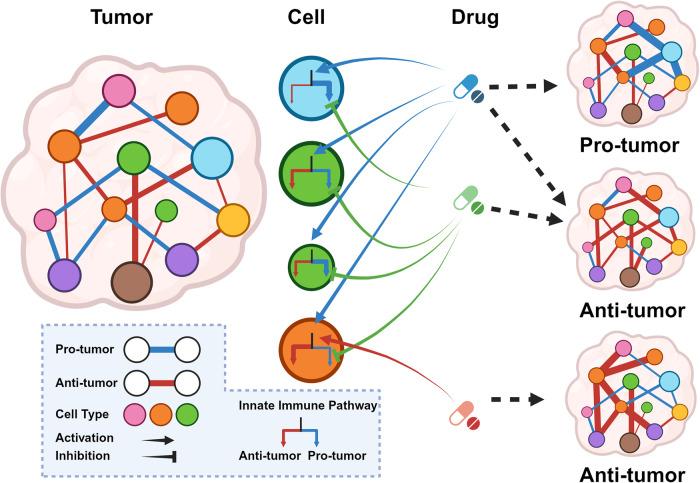
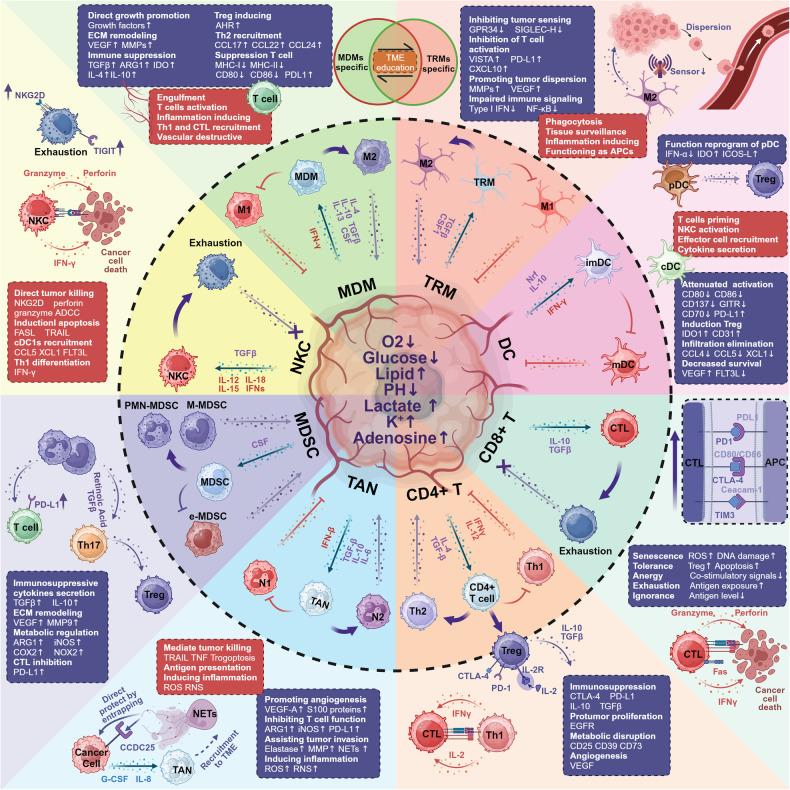
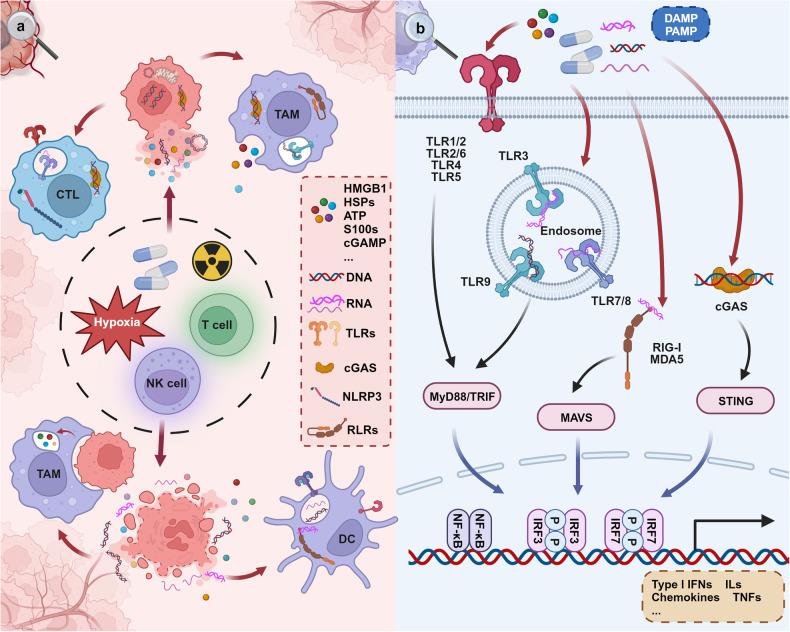
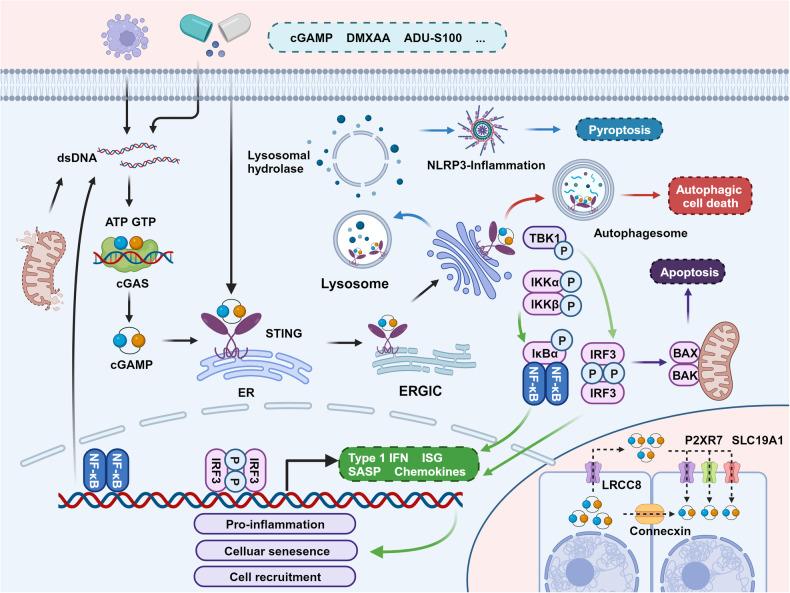
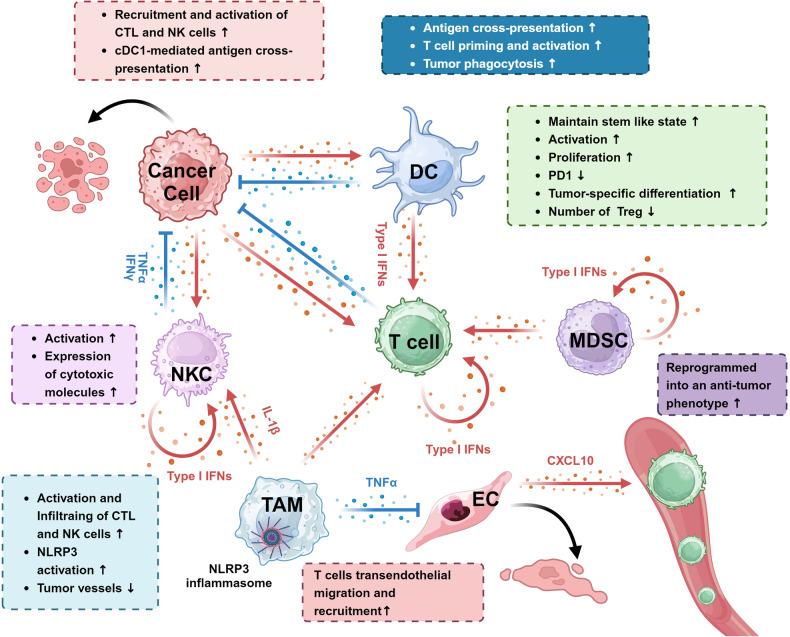
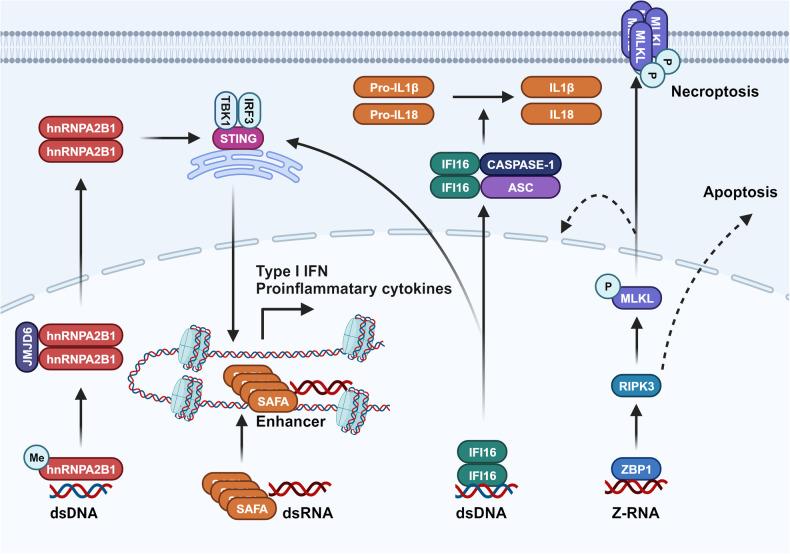
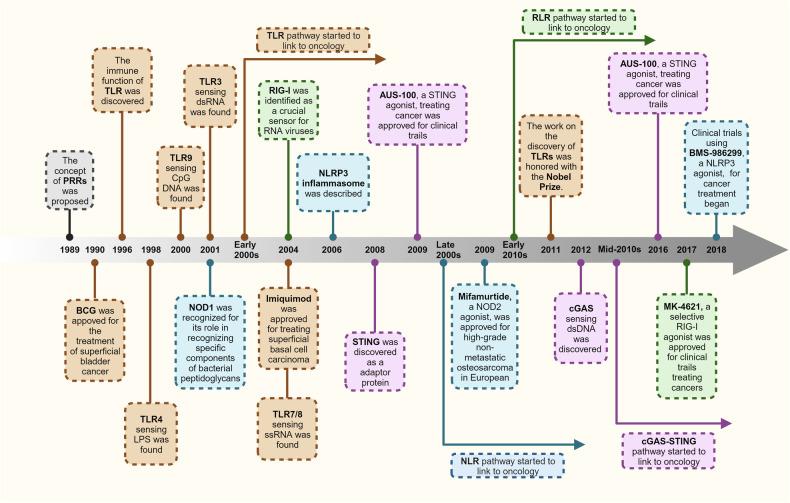
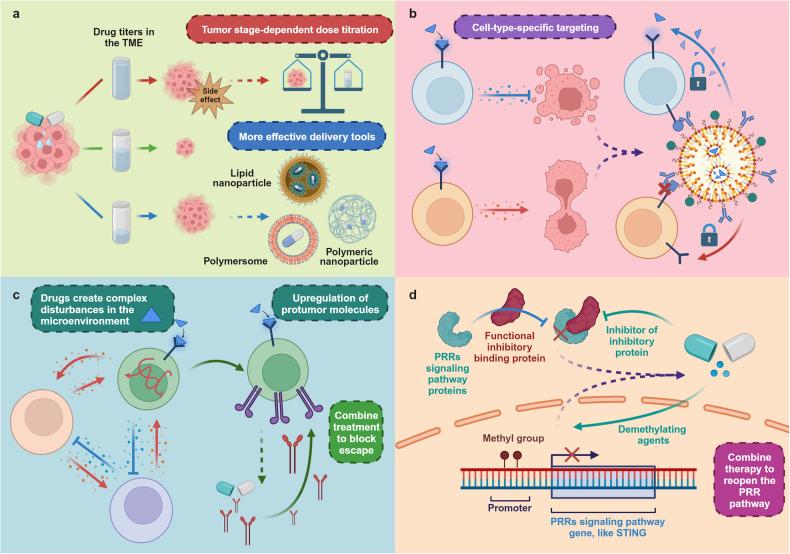
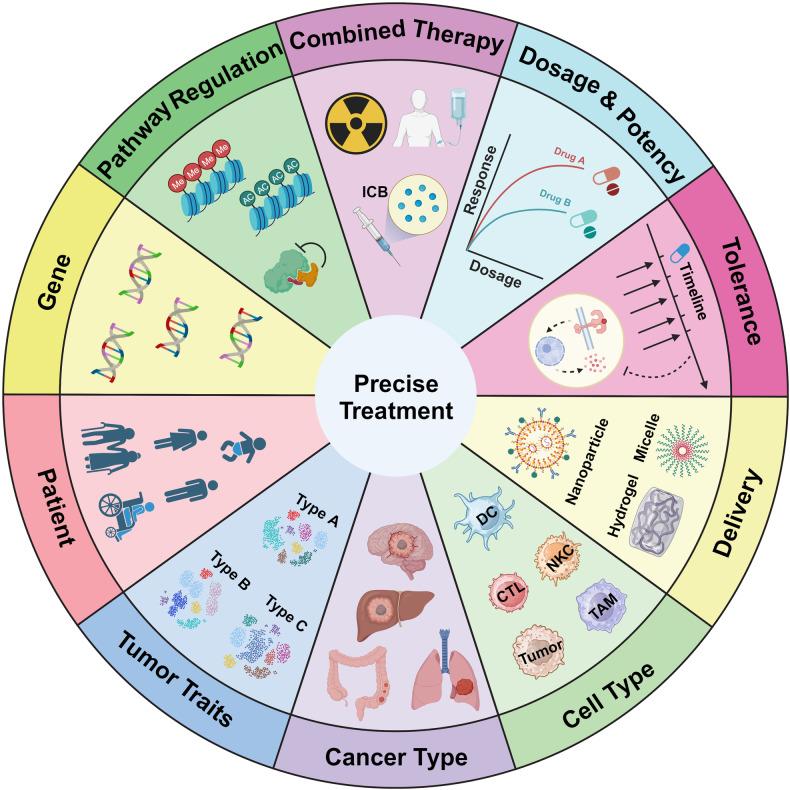
The innate immune pathway is receiving increasing attention in cancer therapy. This pathway is ubiquitous across various cell types, not only in innate immune cells but also in adaptive immune cells, tumor cells, and stromal cells. Agonists targeting the innate immune pathway have shown profound changes in the tumor microenvironment (TME) and improved tumor prognosis in preclinical studies. However, to date, the clinical success of drugs targeting the innate immune pathway remains limited. Interestingly, recent studies have shown that activation of the innate immune pathway can paradoxically promote tumor progression. The uncertainty surrounding the therapeutic effectiveness of targeted drugs for the innate immune pathway is a critical issue that needs immediate investigation. In this review, we observe that the role of the innate immune pathway demonstrates heterogeneity, linked to the tumor development stage, pathway status, and specific cell types. We propose that within the TME, the innate immune pathway exhibits multidimensional diversity. This diversity is fundamentally rooted in cellular heterogeneity and is manifested as a variety of signaling networks. The pro-tumor effect of innate immune pathway activation essentially reflects the suppression of classical pathways and the activation of potential pro-tumor alternative pathways. Refining our understanding of the tumor's innate immune pathway network and employing appropriate targeting strategies can enhance our ability to harness the anti-tumor potential of the innate immune pathway and ultimately bridge the gap from preclinical to clinical application.
先天免疫途径在癌症治疗中受到越来越多的关注。这条途径在各种细胞类型中普遍存在,不仅存在于先天免疫细胞中,也存在于适应性免疫细胞、肿瘤细胞和基质细胞中。针对先天免疫途径的激动剂在临床前研究中显示出对肿瘤微环境(TME)的深刻改变,并改善了肿瘤预后。然而,迄今为止,针对先天免疫途径的药物在临床上的成功仍然有限。有趣的是,最近的研究表明,先天免疫途径的激活可以反常地促进肿瘤进展。靶向先天免疫途径的药物治疗效果的不确定性是一个亟待研究的关键问题。在这篇综述中,我们观察到先天免疫途径的作用表现出异质性,与肿瘤发展阶段、途径状态和特定细胞类型有关。我们提出,在 TME 中,先天免疫途径表现出多维多样性。这种多样性本质上源于细胞异质性,并表现为各种信号网络。先天免疫途径激活的促肿瘤效应本质上反映了对经典途径的抑制和对潜在促肿瘤替代途径的激活。深化我们对肿瘤先天免疫途径网络的理解,并采用适当的靶向策略,可以增强我们利用先天免疫途径抗肿瘤潜力的能力,并最终弥合从临床前到临床应用的差距。
 Zotero 插件