
癌症代谢中基因必需性预测的遗传最小割集方法的回顾和荟萃分析。
Review and meta-analysis of the genetic Minimal Cut Set approach for gene essentiality prediction in cancer metabolism.
机构信息
Tecnun School of Engineering, University of Navarra, Manuel de Lardizábal 13, San Sebastián 20018, Spain.
Biomedical Engineering Center, University of Navarra, Campus Universitario, Pamplona, Navarra 31009, Spain.
出版信息
Brief Bioinform. 2024 Mar 27;25(3). doi: 10.1093/bib/bbae115.
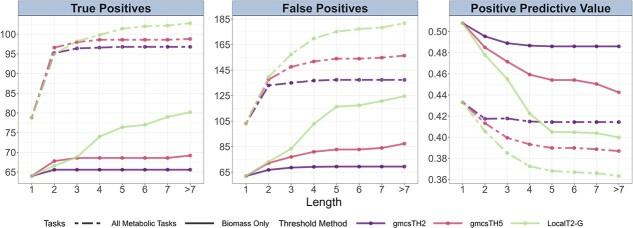
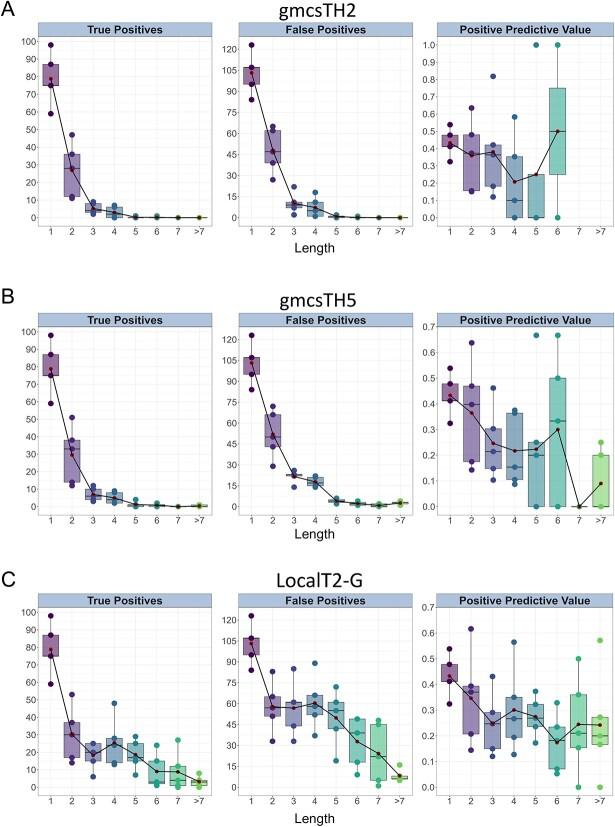
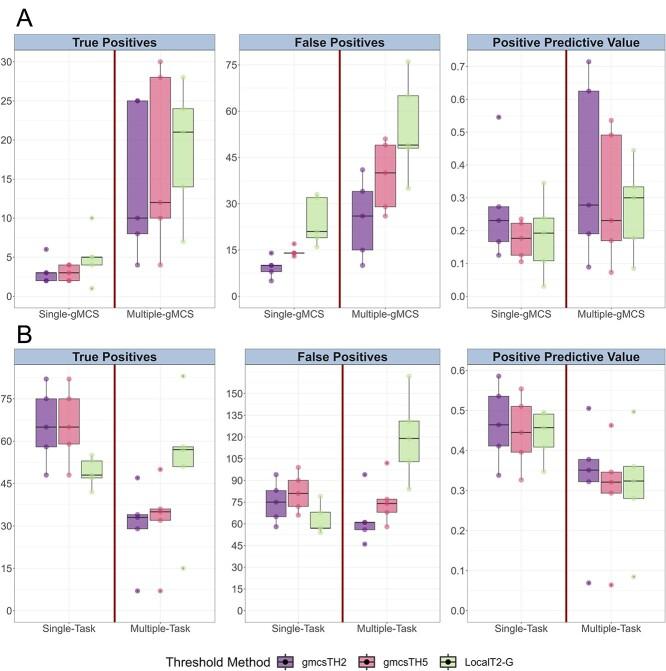
Cancer metabolism is a marvellously complex topic, in part, due to the reprogramming of its pathways to self-sustain the malignant phenotype in the disease, to the detriment of its healthy counterpart. Understanding these adjustments can provide novel targeted therapies that could disrupt and impair proliferation of cancerous cells. For this very purpose, genome-scale metabolic models (GEMs) have been developed, with Human1 being the most recent reconstruction of the human metabolism. Based on GEMs, we introduced the genetic Minimal Cut Set (gMCS) approach, an uncontextualized methodology that exploits the concepts of synthetic lethality to predict metabolic vulnerabilities in cancer. gMCSs define a set of genes whose knockout would render the cell unviable by disrupting an essential metabolic task in GEMs, thus, making cellular proliferation impossible. Here, we summarize the gMCS approach and review the current state of the methodology by performing a systematic meta-analysis based on two datasets of gene essentiality in cancer. First, we assess several thresholds and distinct methodologies for discerning highly and lowly expressed genes. Then, we address the premise that gMCSs of distinct length should have the same predictive power. Finally, we question the importance of a gene partaking in multiple gMCSs and analyze the importance of all the essential metabolic tasks defined in Human1. Our meta-analysis resulted in parameter evaluation to increase the predictive power for the gMCS approach, as well as a significant reduction of computation times by only selecting the crucial gMCS lengths, proposing the pertinency of particular parameters for the peak processing of gMCS.
癌症代谢是一个非常复杂的课题,部分原因是其途径发生了重新编程,以自我维持疾病中的恶性表型,而牺牲了其健康对应物。了解这些调整可以提供新的靶向治疗方法,这些方法可能会破坏和削弱癌细胞的增殖。为此,已经开发出了基因组规模代谢模型(GEMs),其中 Human1 是人类代谢的最新重建。基于 GEMs,我们引入了遗传最小关键集(gMCS)方法,这是一种非语境化的方法,利用合成致死性的概念来预测癌症中的代谢脆弱性。gMCS 定义了一组基因,如果敲除这些基因,将会破坏 GEMs 中必需的代谢任务,从而使细胞无法生存,从而使细胞增殖成为不可能。在这里,我们总结了 gMCS 方法,并通过基于癌症基因必需性的两个数据集进行系统的荟萃分析来回顾该方法的现状。首先,我们评估了几种阈值和不同的方法,用于区分高表达和低表达基因。然后,我们解决了这样一个前提,即不同长度的 gMCS 应该具有相同的预测能力。最后,我们质疑基因参与多个 gMCS 的重要性,并分析了 Human1 中定义的所有必需代谢任务的重要性。我们的荟萃分析得出了参数评估结果,以提高 gMCS 方法的预测能力,并通过仅选择关键的 gMCS 长度显著减少计算时间,提出了特定参数在 gMCS 峰值处理中的相关性。

 Zotero 插件