
采用 HepG2/THP-1 共培养模型评价微塑料聚甲基丙烯酸甲酯(PMMA)诱导的肝毒性风险。
An evaluation of a hepatotoxicity risk induced by the microplastic polymethyl methacrylate (PMMA) using HepG2/THP-1 co-culture model.
机构信息
Department of Pharmaceutical Toxicology, Faculty of Pharmacy, Istanbul University, Istanbul, Turkey.
Department of Pharmaceutical Toxicology, Faculty of Pharmacy, Istanbul University-Cerrahpaşa, Istanbul, Turkey.
出版信息
Environ Sci Pollut Res Int. 2024 Apr;31(20):28890-28904. doi: 10.1007/s11356-024-33086-3. Epub 2024 Apr 2.
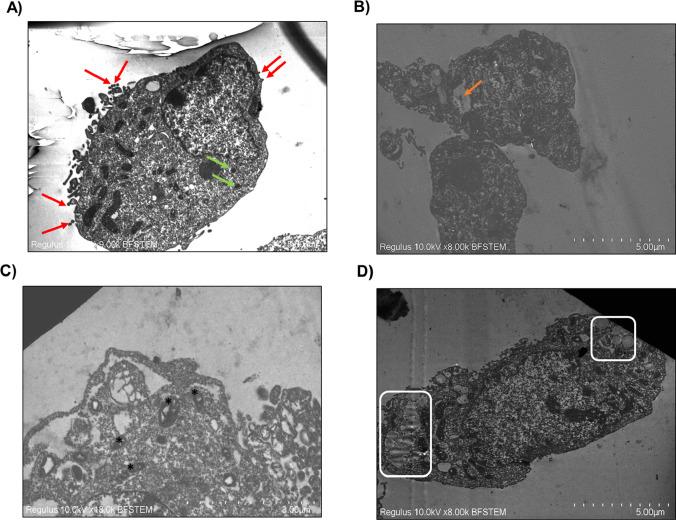
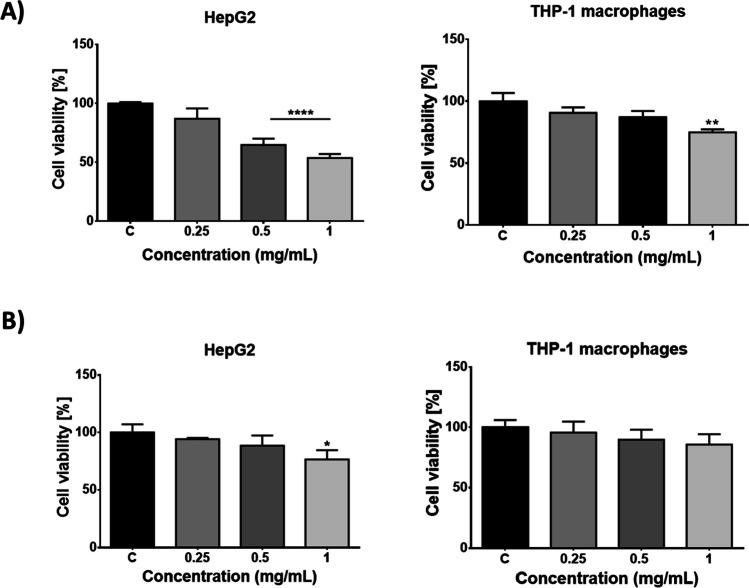
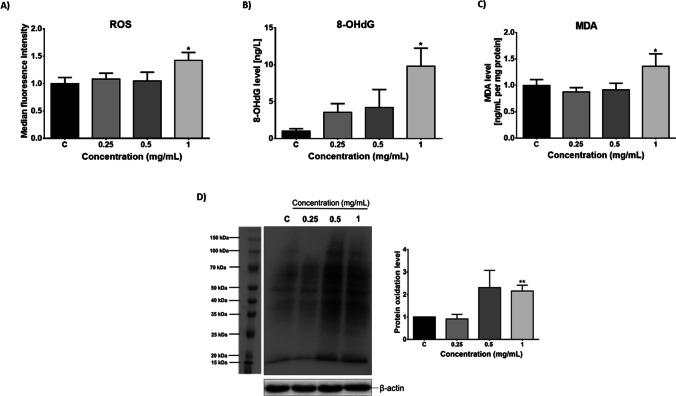
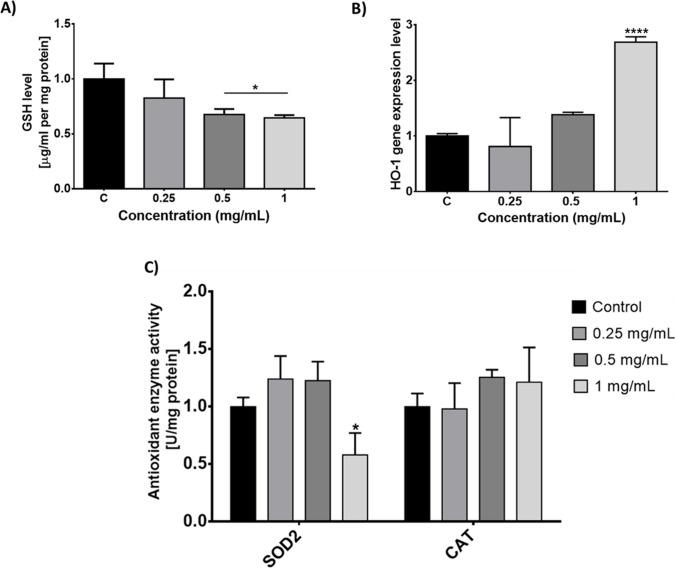
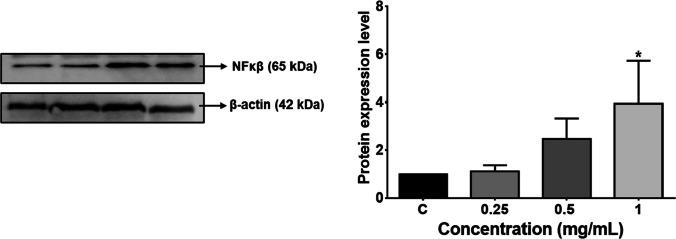
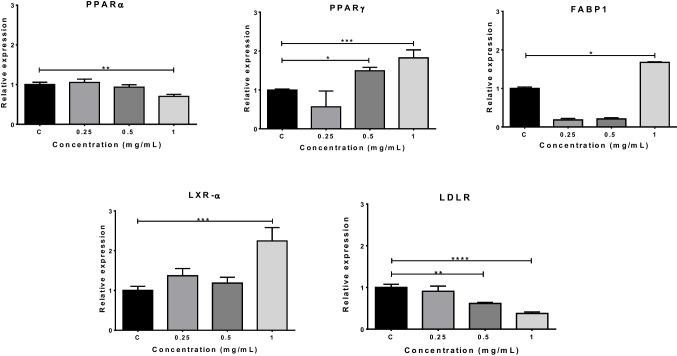
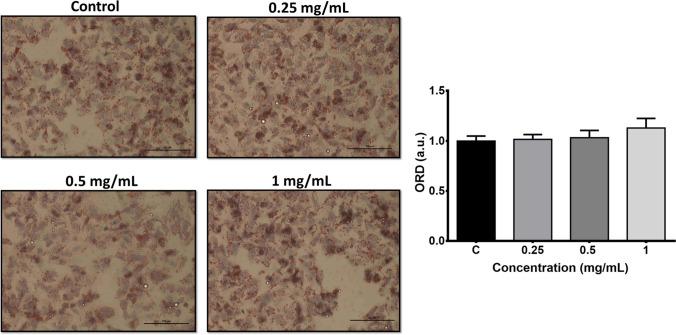
Inappropriate disposal of plastic wastes and their durability in nature cause uncontrolled accumulation of plastic in land/marine ecosystems, also causing destructive effects by bioaccumulating along the food chain. Microplastics may cause chronic inflammation in relation to their permanent structures, especially through oxidative stress and cytotoxic cellular damage, which could increase the risk of cancer development. The accumulation of microplastics in the liver is a major concern, and therefore, the identification of the mechanisms of their hepatotoxic effects is of great importance. Polymethyl methacrylate (PMMA) is a widely used thermoplastic. It has been determined that PMMA disrupts lipid metabolism in the liver in various aquatic organisms and causes reproductive and developmental toxicity. PMMA-induced hepatotoxic effects in humans have not yet been clarified. In our study, the toxic effects of PMMA (in the range of 3-10 μm) on the human liver were investigated using the HepG2/THP-1 macrophage co-culture model, which is a sensitive immune-mediated liver injury model. Cellular uptake of micro-sized PMMA in the cells was done by transmission electron microscopy. Determination of its effects on cell viability and inflammatory response, oxidative stress, along with gene and protein expression levels that play a role in the mechanism pathways underlying the effects were investigated. The results concluded that inflammation, oxidative stress, and disruptions in lipid metabolism should be the focus of attention as important underlying causes of PMMA-induced hepatotoxicity. Our study, which points out the potential adverse effects of microplastics on human health, supports the literature information on the subject.
塑料废物的不当处理及其在自然界中的耐久性导致塑料在陆地/海洋生态系统中不受控制地积累,也通过沿食物链生物积累造成破坏性影响。微塑料可能会因其永久结构而引起慢性炎症,尤其是通过氧化应激和细胞毒性细胞损伤,这可能会增加癌症发展的风险。微塑料在肝脏中的积累是一个主要关注点,因此,鉴定其肝毒性作用的机制非常重要。聚甲基丙烯酸甲酯 (PMMA) 是一种广泛使用的热塑性塑料。已经确定 PMMA 会破坏各种水生生物肝脏中的脂质代谢,并导致生殖和发育毒性。PMMA 对人类的肝毒性作用尚未阐明。在我们的研究中,使用 HepG2/THP-1 巨噬细胞共培养模型研究了 PMMA(3-10 μm 范围内)对人肝的毒性作用,该模型是一种敏感的免疫介导的肝损伤模型。通过透射电子显微镜研究了细胞内微尺寸 PMMA 的摄取。研究了其对细胞活力和炎症反应、氧化应激的影响,以及在作用机制途径中起作用的基因和蛋白质表达水平。结果表明,炎症、氧化应激和脂质代谢紊乱应该是 PMMA 诱导的肝毒性的重要潜在原因。我们的研究指出了微塑料对人类健康的潜在不利影响,支持了该主题的文献信息。

 Zotero 插件