
从导管原位癌到浸润性乳腺癌的进展:分子特征及临床意义。
Progression from ductal carcinoma in situ to invasive breast cancer: molecular features and clinical significance.
机构信息
The Key Laboratory of Cancer Prevention and Intervention, China National Ministry of Education, the Second Affiliated Hospital, Zhejiang University School of Medicine, Hangzhou, China.
Department of Breast Surgery and Oncology, the Second Affiliated Hospital, Zhejiang University School of Medicine, Hangzhou, China.
出版信息
Signal Transduct Target Ther. 2024 Apr 3;9(1):83. doi: 10.1038/s41392-024-01779-3.
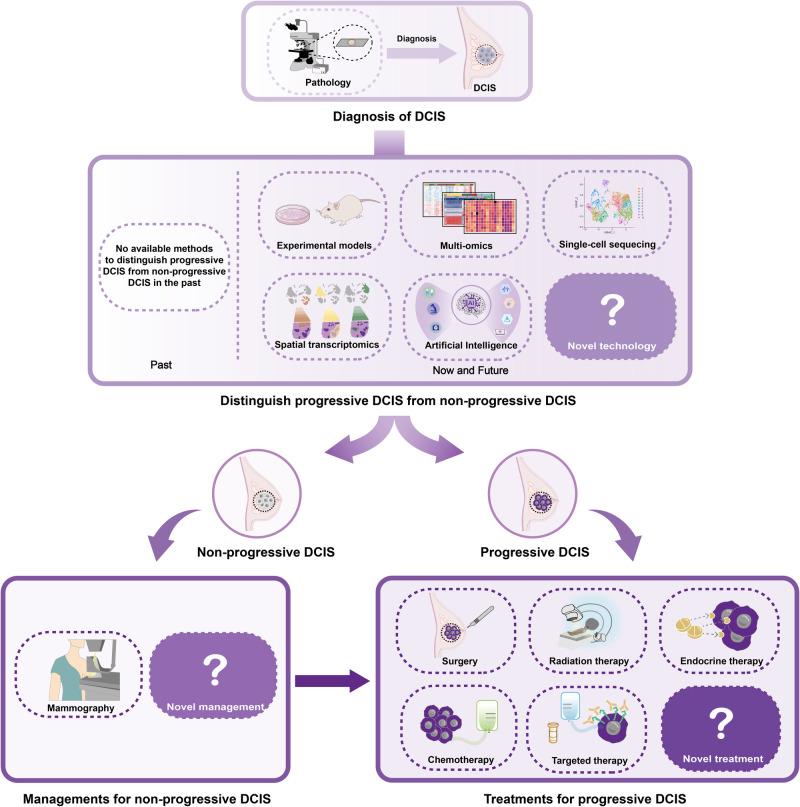
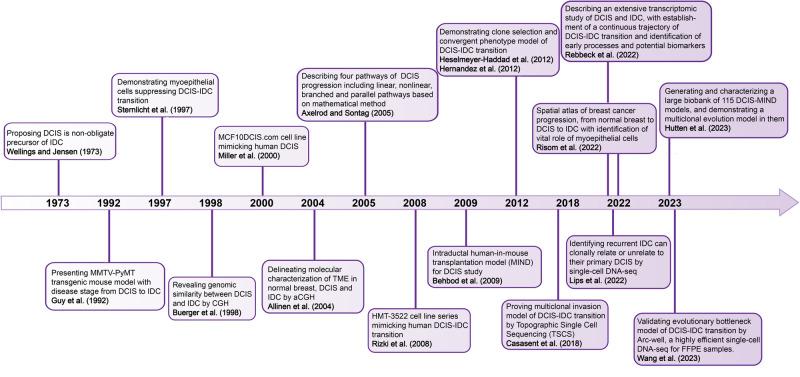
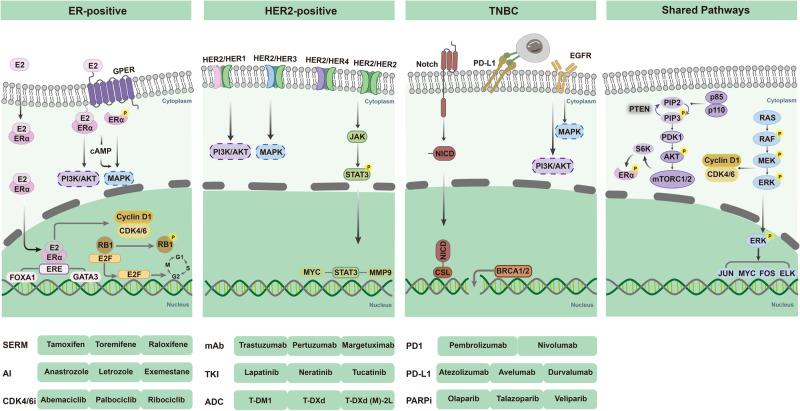
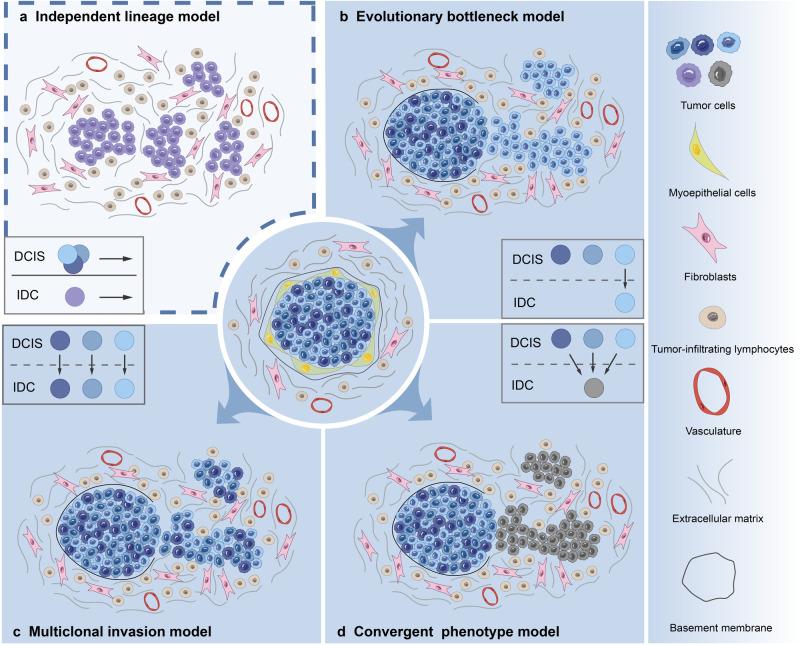
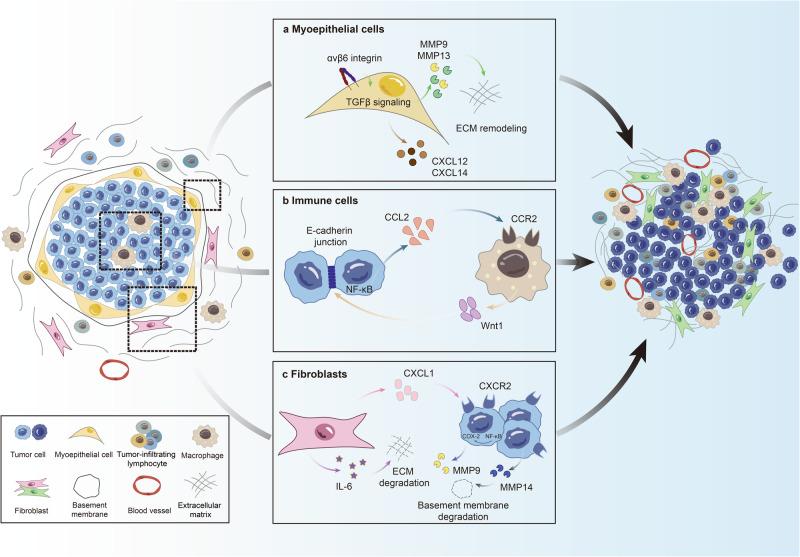
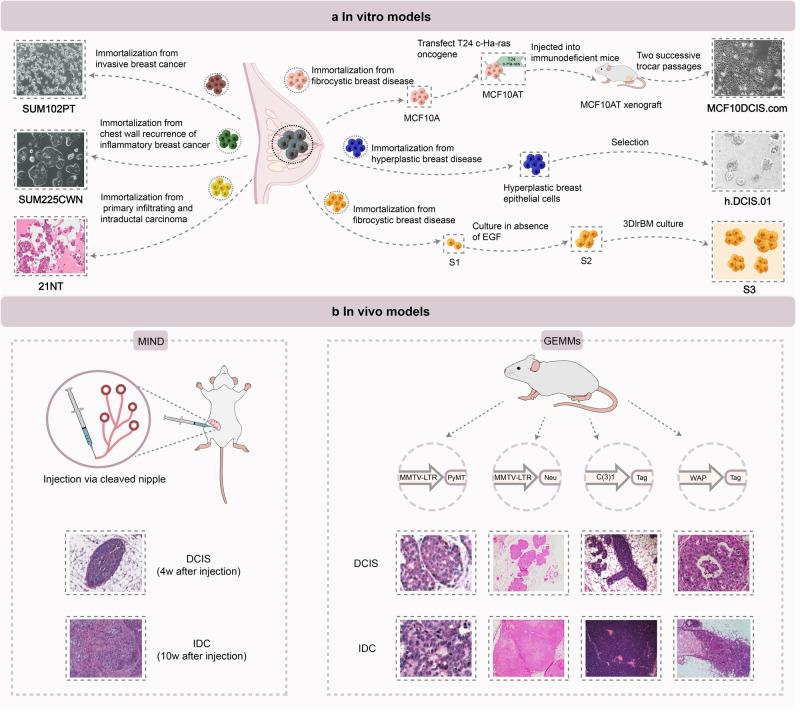
Ductal carcinoma in situ (DCIS) represents pre-invasive breast carcinoma. In untreated cases, 25-60% DCIS progress to invasive ductal carcinoma (IDC). The challenge lies in distinguishing between non-progressive and progressive DCIS, often resulting in over- or under-treatment in many cases. With increasing screen-detected DCIS in these years, the nature of DCIS has aroused worldwide attention. A deeper understanding of the biological nature of DCIS and the molecular journey of the DCIS-IDC transition is crucial for more effective clinical management. Here, we reviewed the key signaling pathways in breast cancer that may contribute to DCIS initiation and progression. We also explored the molecular features of DCIS and IDC, shedding light on the progression of DCIS through both inherent changes within tumor cells and alterations in the tumor microenvironment. In addition, valuable research tools utilized in studying DCIS including preclinical models and newer advanced technologies such as single-cell sequencing, spatial transcriptomics and artificial intelligence, have been systematically summarized. Further, we thoroughly discussed the clinical advancements in DCIS and IDC, including prognostic biomarkers and clinical managements, with the aim of facilitating more personalized treatment strategies in the future. Research on DCIS has already yielded significant insights into breast carcinogenesis and will continue to pave the way for practical clinical applications.
导管原位癌(DCIS)代表了一种侵袭前的乳腺癌。在未经治疗的情况下,25-60%的 DCIS 会进展为浸润性导管癌(IDC)。挑战在于区分非进展性和进展性 DCIS,这在许多情况下常常导致过度或不足治疗。近年来,随着筛查出的 DCIS 越来越多,DCIS 的性质引起了全球的关注。更深入地了解 DCIS 的生物学性质和 DCIS-ID C 转化的分子途径对于更有效的临床管理至关重要。在这里,我们回顾了乳腺癌中可能导致 DCIS 发生和进展的关键信号通路。我们还探讨了 DCIS 和 IDC 的分子特征,通过肿瘤细胞内在变化和肿瘤微环境改变,揭示了 DCIS 的进展。此外,我们还系统地总结了用于研究 DCIS 的有价值的研究工具,包括临床前模型和新的先进技术,如单细胞测序、空间转录组学和人工智能。此外,我们还深入讨论了 DCIS 和 IDC 的临床进展,包括预后生物标志物和临床管理,以期在未来制定更个性化的治疗策略。对 DCIS 的研究已经深入了解了乳腺癌的发生机制,并将继续为实际的临床应用铺平道路。
 Zotero 插件