
利用在超声辐照条件下制备的多壁碳纳米管-钯/铁纳米复合材料对2,4-二氯苯酚进行还原脱氯。
Reductive dechlorination of 2,4-dichlorophenol by using MWCNTs-Pd/Fe nanocomposites prepared in the presence of ultrasonic irradiation.
作者信息
Zhao Deming, Liu Yiting, Wu Chunxin
机构信息
College of Chemical Engineering, Zhejiang University of Technology, Hangzhou 310032, People's Republic of China.
College of Chemical Engineering, Zhejiang University of Technology, Hangzhou 310032, People's Republic of China.
出版信息
Ultrason Sonochem. 2024 May;105:106871. doi: 10.1016/j.ultsonch.2024.106871. Epub 2024 Apr 7.
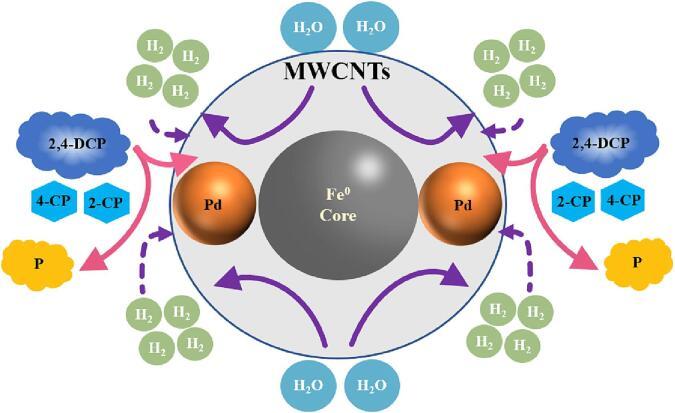
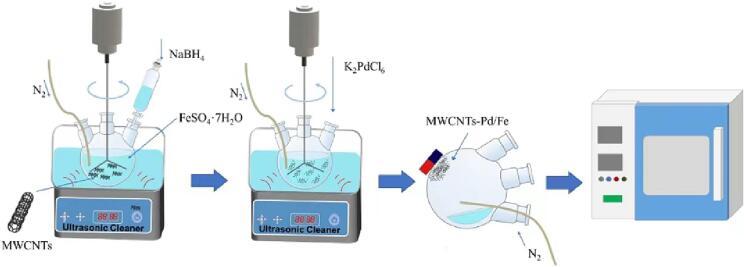
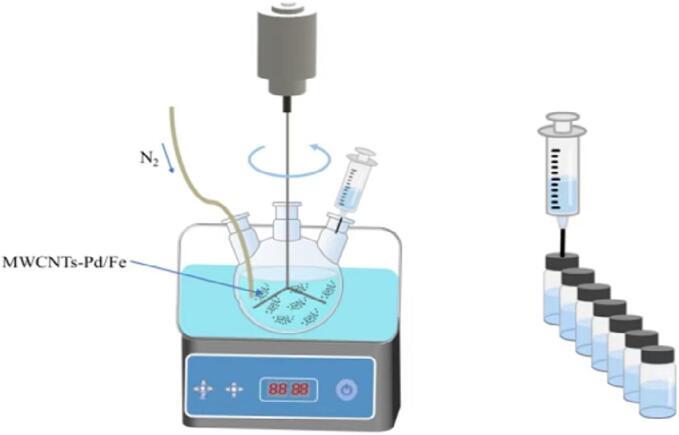
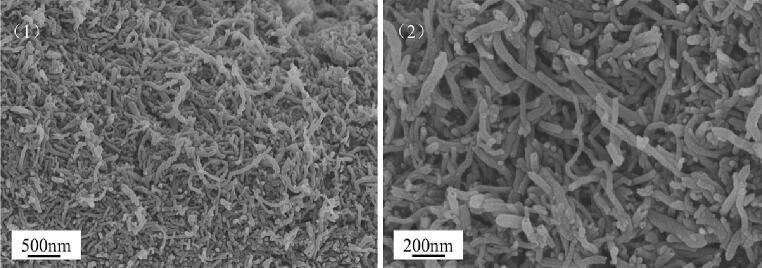
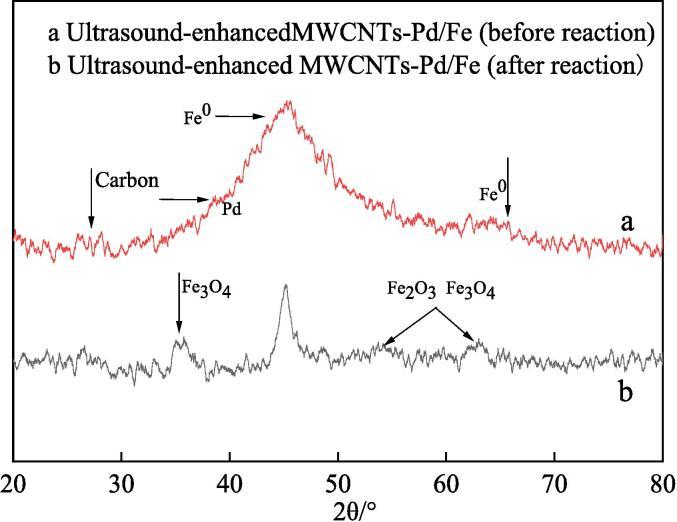
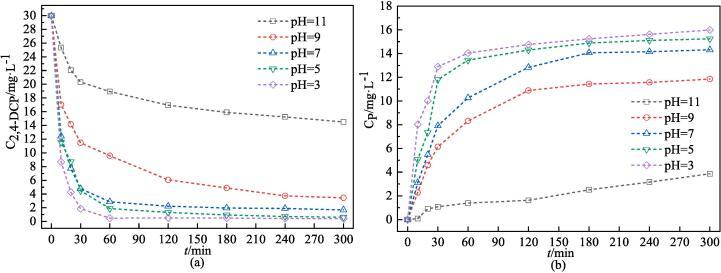
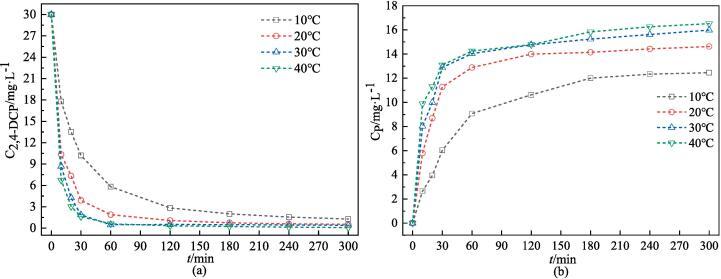
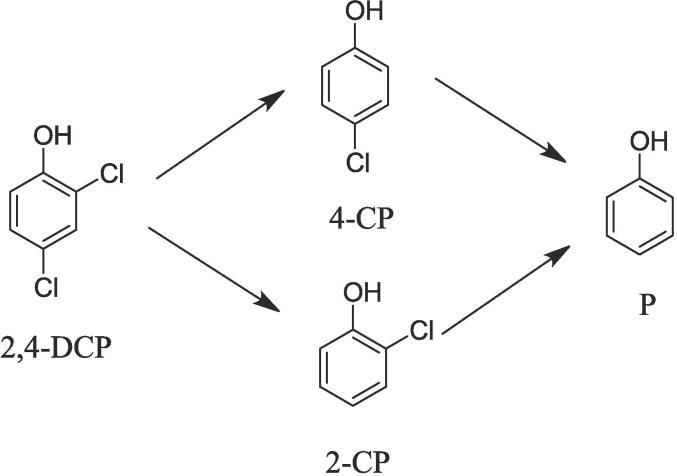
The research on developing a purification technology for 2,4-dichlorophenol (2,4-DCP) polluted water with high efficiency and the low energy consumption is crucial for achieving several Sustainable Development Goals (SDGs). In order to achieve these goals, MWCNTs-Pd/Fe nanocomposites were prepared by Fe nanoparticles modified with multi-walled carbon nanotubes (MWCNTs) and palladium (Pd) in the presence of ultrasonic irradiation. The MWCNTs-Pd/Fe nanocomposites were characterized by using Scanning Electron Microscopy (SEM), Transmission Electron Microscopy (TEM), and X-Ray Diffraction (XRD), and others. Characterization results confirmed that the MWCNTs-Pd/Fe was successfully prepared, with the particle size of 80 nm and the specific surface area of 89.5 m/g confirmed. We studied the reductive dechlorination of 2,4-Dichlorophenol (2,4-DCP) by MWCNTs-Pd/Fe nanocomposites under different conditions, and the optimized experimental results were found when the Pd loading was 0.4 %, the pH was 3, and the temperature was 30 °C. The phenol yield increased from 76.5 % (without ultrasonic irradiation) to 92.3 % (with ultrasonic irradiation) in 300 min and the 2,4-DCP removal rate reached 98.7 % under the optimal conditions. Therefore, ultrasonic irradiation enhanced the performance of MWCNTs-Pd/Fe nanocomposites for 2,4-DCP removal. We also established the degradation mechanism of chlorophenol by analyzing the intermediates, and proposed the degradation kinetics model. The degradation of 2,4-DCP followed the pseudo-first-order kinetics with the rate constant of 0.05988 min. Also, this study demonstrated the potential of using ultrasonic irradiation to improve the properties and recovery of MWCNTs-Pd/Fe nanocomposites, contributing to achievement of the Sustainable Development Goals (SDGs), including SDG-3, SDG-6.
研发一种高效、低能耗的2,4-二氯苯酚(2,4-DCP)污染水净化技术的研究对于实现多个可持续发展目标(SDGs)至关重要。为实现这些目标,在超声辐照下,通过用多壁碳纳米管(MWCNTs)和钯(Pd)修饰的铁纳米颗粒制备了MWCNTs-Pd/Fe纳米复合材料。利用扫描电子显微镜(SEM)、透射电子显微镜(TEM)和X射线衍射(XRD)等对MWCNTs-Pd/Fe纳米复合材料进行了表征。表征结果证实成功制备了MWCNTs-Pd/Fe,确认其粒径为80 nm,比表面积为89.5 m/g。我们研究了MWCNTs-Pd/Fe纳米复合材料在不同条件下对2,4-二氯苯酚(2,4-DCP)的还原脱氯作用,发现当钯负载量为0.4%、pH为3且温度为30℃时得到优化的实验结果。在300分钟内,苯酚产率从76.5%(无超声辐照)提高到92.3%(有超声辐照),在最佳条件下2,4-DCP去除率达到98.7%。因此,超声辐照提高了MWCNTs-Pd/Fe纳米复合材料去除2,4-DCP的性能。我们还通过分析中间体建立了氯酚的降解机理,并提出了降解动力学模型。2,4-DCP的降解遵循准一级动力学,速率常数为0.05988 min。此外,本研究证明了利用超声辐照改善MWCNTs-Pd/Fe纳米复合材料性能和回收率的潜力,有助于实现包括可持续发展目标3、可持续发展目标6在内的可持续发展目标。







 Zotero 插件