
胎儿对人类大脑的影响贯穿一生。
Fetal influence on the human brain through the lifespan.
机构信息
Center for Lifespan Changes in Brain and Cognition, University of Oslo, Oslo, Norway.
Computational Radiology and Artificial Intelligence, Department of Radiology and Nuclear Medicine, Oslo University Hospital, Oslo, Norway.
出版信息
Elife. 2024 Apr 11;12:RP86812. doi: 10.7554/eLife.86812.
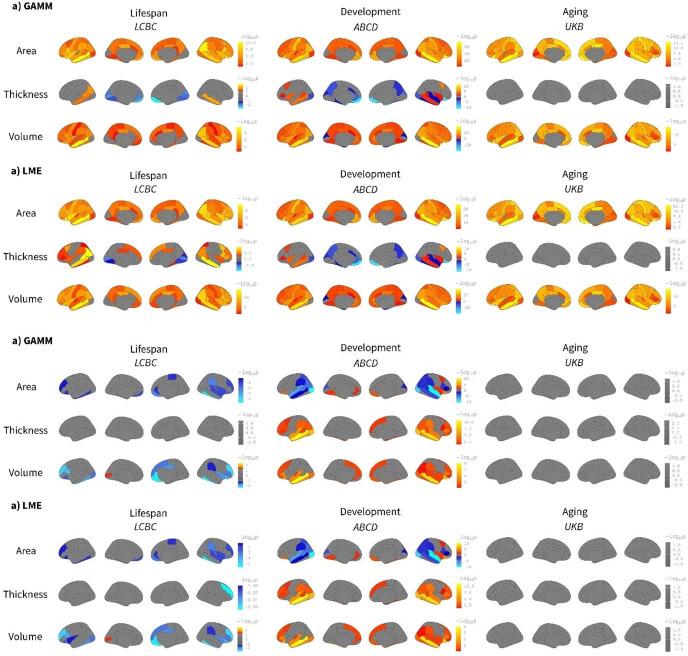
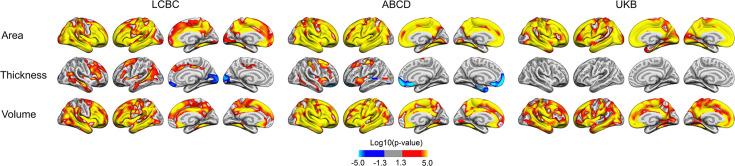
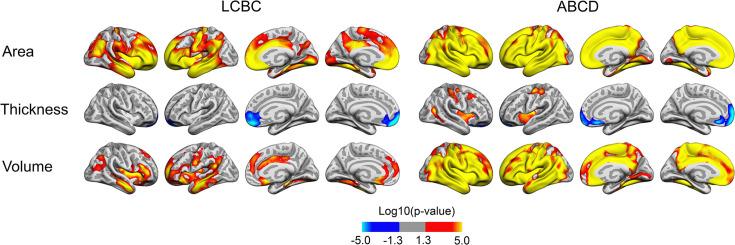
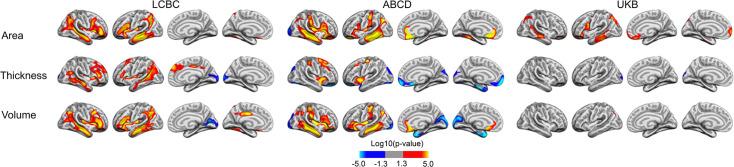
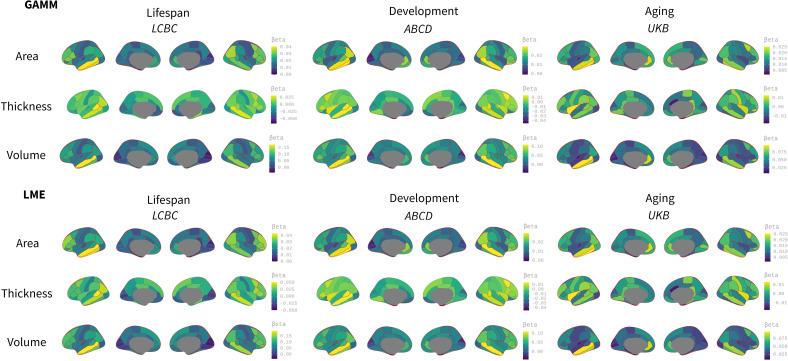
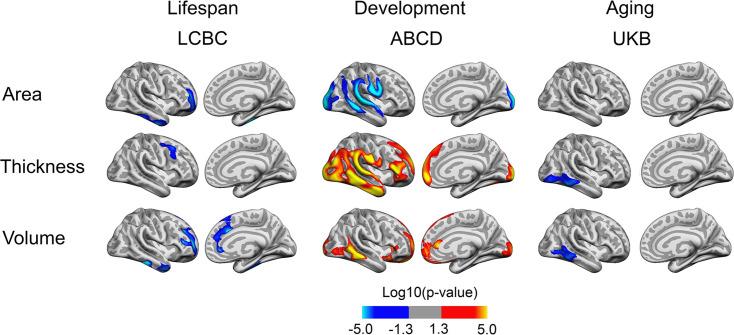
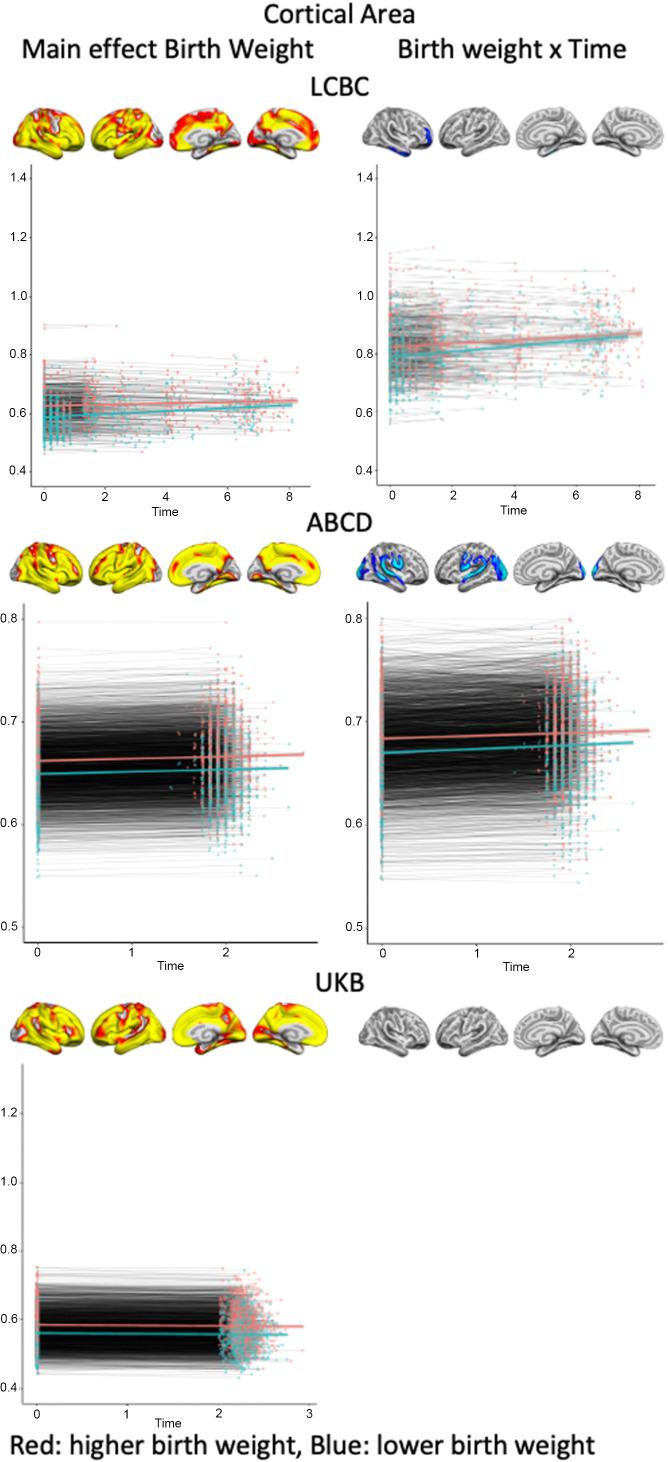
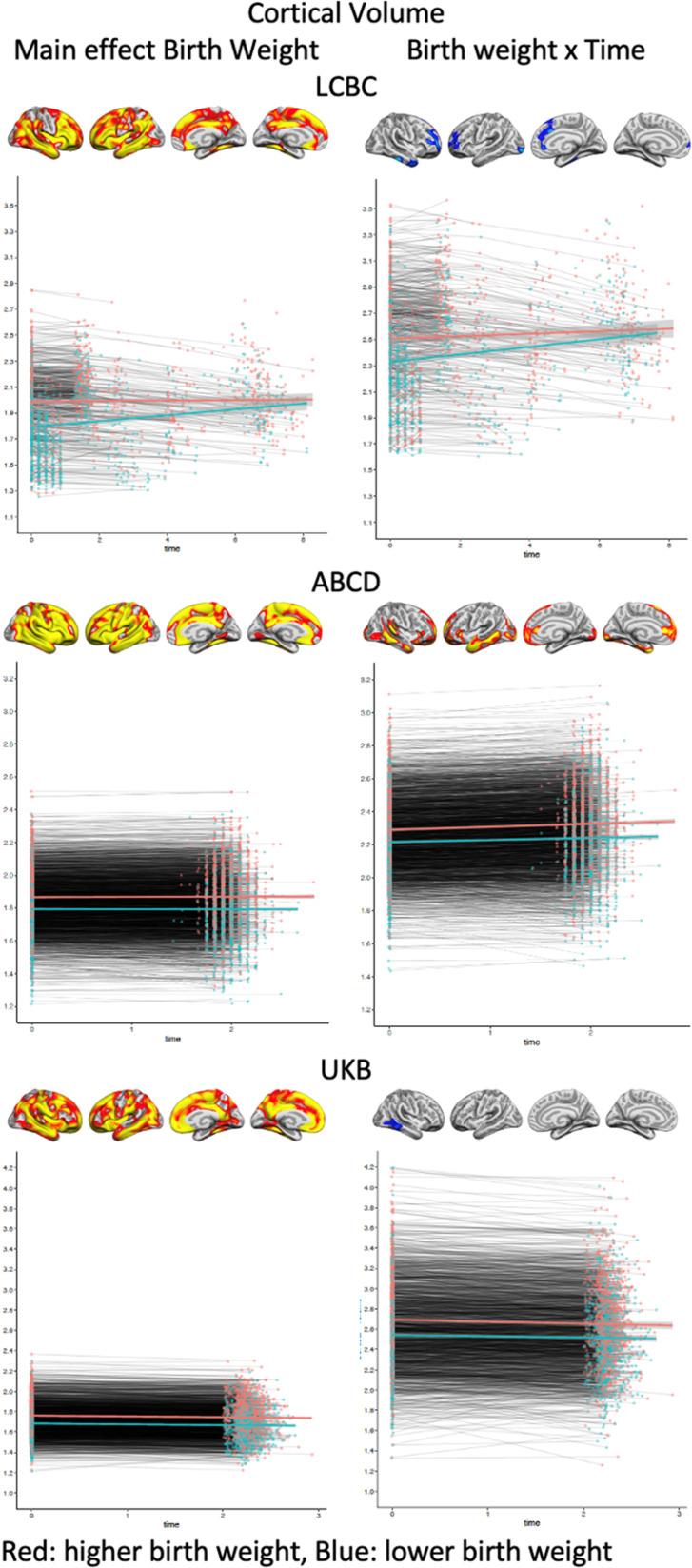
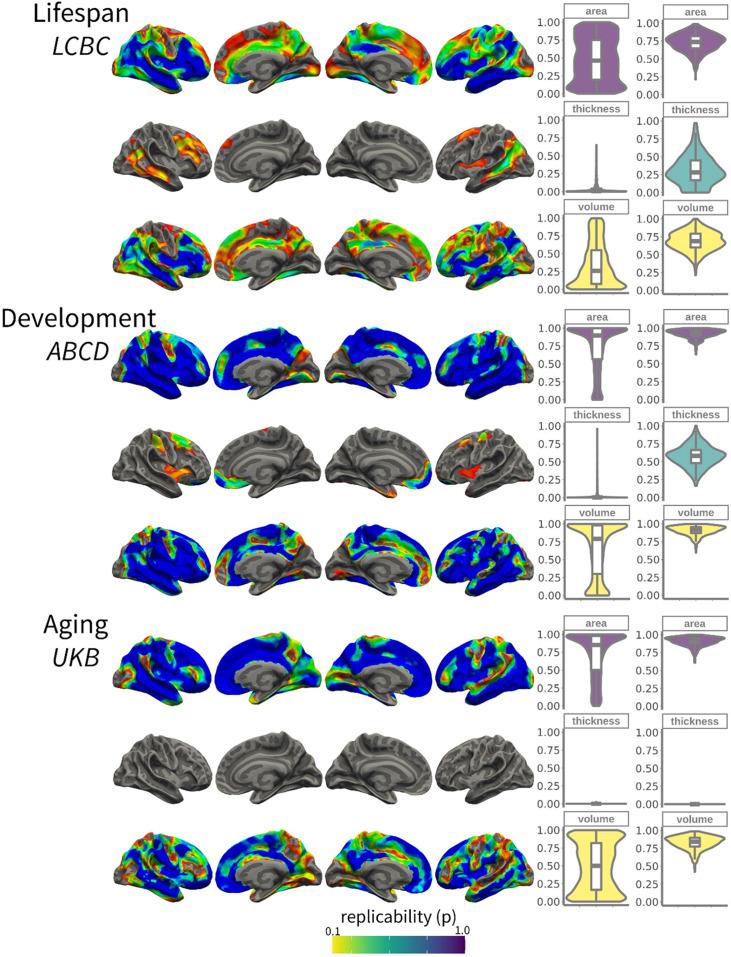
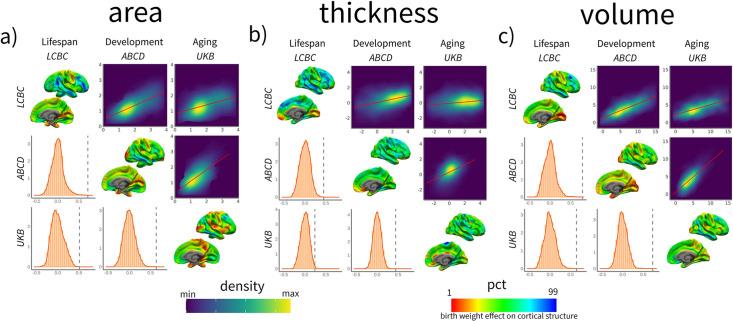
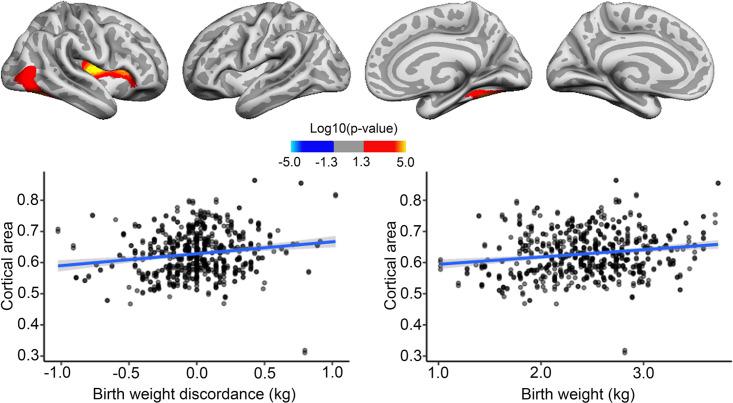
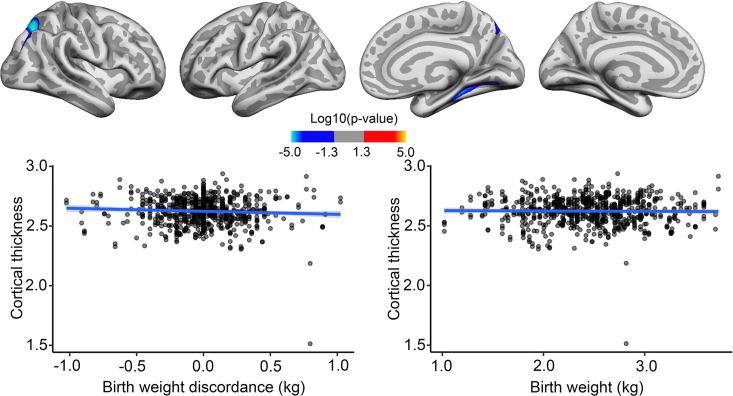
Human fetal development has been associated with brain health at later stages. It is unknown whether growth in utero, as indexed by birth weight (BW), relates consistently to lifespan brain characteristics and changes, and to what extent these influences are of a genetic or environmental nature. Here we show remarkably stable and lifelong positive associations between BW and cortical surface area and volume across and within developmental, aging and lifespan longitudinal samples (N = 5794, 4-82 y of age, w/386 monozygotic twins, followed for up to 8.3 y w/12,088 brain MRIs). In contrast, no consistent effect of BW on brain changes was observed. Partly environmental effects were indicated by analysis of twin BW discordance. In conclusion, the influence of prenatal growth on cortical topography is stable and reliable through the lifespan. This early-life factor appears to influence the brain by association of brain reserve, rather than brain maintenance. Thus, fetal influences appear omnipresent in the spacetime of the human brain throughout the human lifespan. Optimizing fetal growth may increase brain reserve for life, also in aging.
人类胎儿的发育与后期的大脑健康有关。目前尚不清楚宫内生长(以出生体重[BW]为指标)是否与寿命期内的大脑特征和变化始终相关,以及这些影响在多大程度上具有遗传或环境性质。在这里,我们在跨发育、衰老和寿命纵向样本中(N=5794 人,年龄 4-82 岁,包括 386 对同卵双胞胎,最长随访 8.3 年,共进行了 12088 次脑 MRI),均显示 BW 与皮质表面积和体积之间存在显著且稳定的正相关关系。相比之下,没有观察到 BW 对大脑变化的一致影响。通过对双胞胎 BW 不和谐的分析,提示部分为环境因素的影响。总之,产前生长对皮质地形的影响在整个寿命期内是稳定且可靠的。这一生命早期因素似乎通过脑储备的关联来影响大脑,而不是通过脑维持。因此,在人类整个寿命期内,胎儿的影响似乎在时空上无处不在。优化胎儿生长可能会增加大脑的寿命储备,即使在衰老时也是如此。







 Zotero 插件