
犬椎间盘免疫细胞促炎作用的表征与调控
Characterization and modulation of the pro-inflammatory effects of immune cells in the canine intervertebral disk.
作者信息
Heimann Mary K, Thompson Kelly, Gunsch Gilian, Tang Shirley N, Klamer Brett, Corps Kara, Walter Benjamin A, Moore Sarah A, Purmessur Devina
机构信息
Department of Biomedical Engineering The Ohio State University Columbus Ohio USA.
Department of Veterinary Biosciences The Ohio State University Columbus Ohio USA.
出版信息
JOR Spine. 2024 Apr 23;7(2):e1333. doi: 10.1002/jsp2.1333. eCollection 2024 Jun.
BACKGROUND
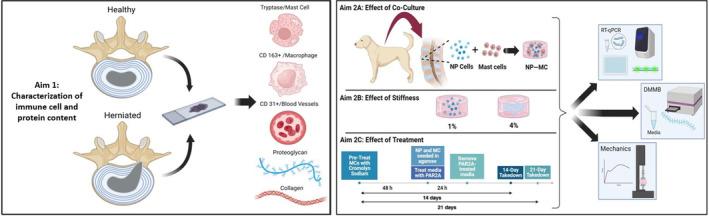
Intervertebral disk (IVD) degeneration affects both humans and canines and is a major cause of low back pain (LBP). Mast cell (MC) and macrophage (MØ) infiltration has been identified in the pathogenesis of IVD degeneration (IVDD) in the human and rodent model but remains understudied in the canine. MC degranulation in the IVD leads to a pro-inflammatory cascade and activates protease activated receptor 2 (PAR2) on IVD cells. The objectives of the present study are to: (1) highlight the pathophysiological changes observed in the degenerate canine IVD, (2) further characterize the inflammatory effect of MCs co-cultured with canine nucleus pulposus (NP) cells, (3) evaluate the effect of construct stiffness on NP and MCs, and (4) identify potential therapeutics to mitigate pathologic changes in the IVD microenvironment.
METHODS
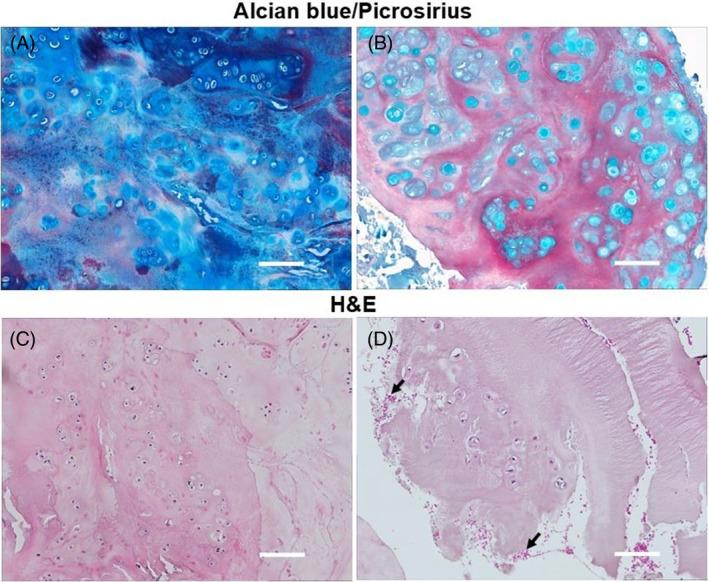
Canine IVD tissue was isolated from healthy autopsy research dogs (beagle) and pet dogs undergoing laminectomy for IVD herniation. Morphology, protein content, and inflammatory markers were assessed. NP cells isolated from healthy autopsy (Mongrel hounds) tissue were co-cultured with canine MCs within agarose constructs and treated with cromolyn sodium (CS) and PAR2 antagonist (PAR2A). Gene expression, sulfated glycosaminoglycan content, and stiffness of constructs were assessed.
RESULTS
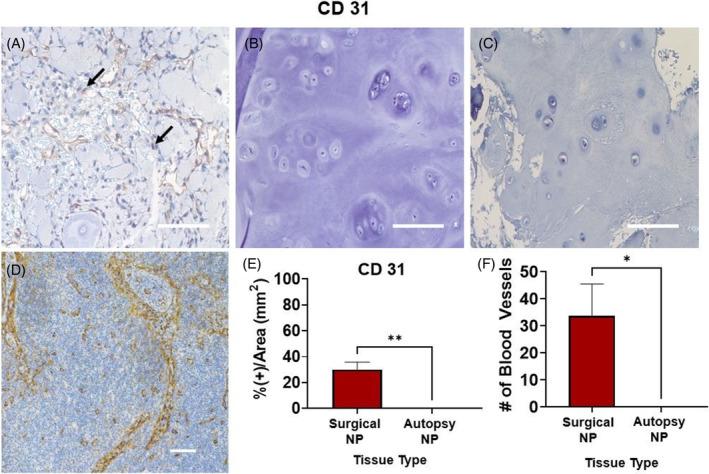
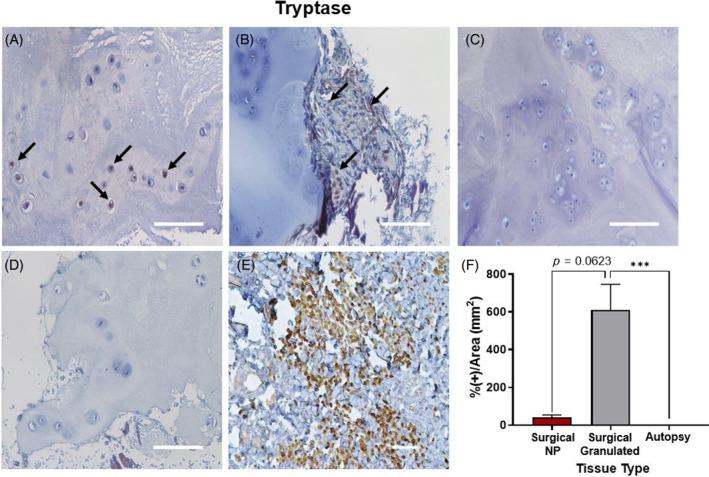
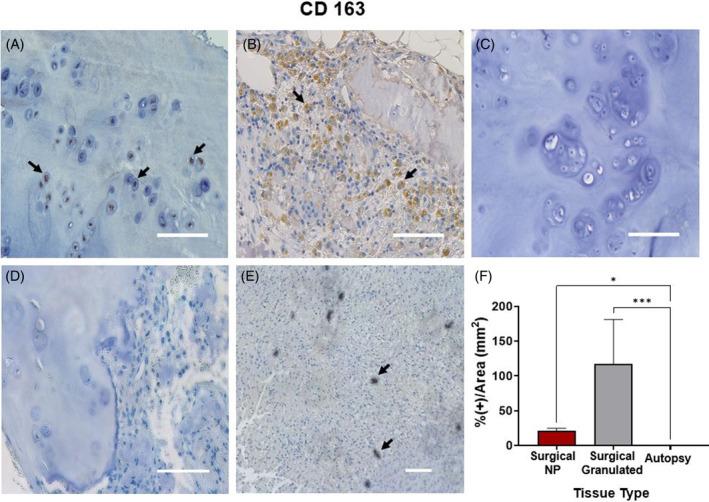
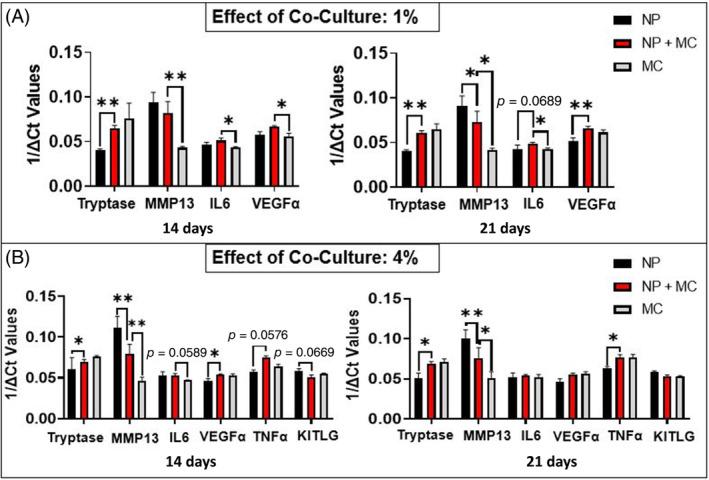
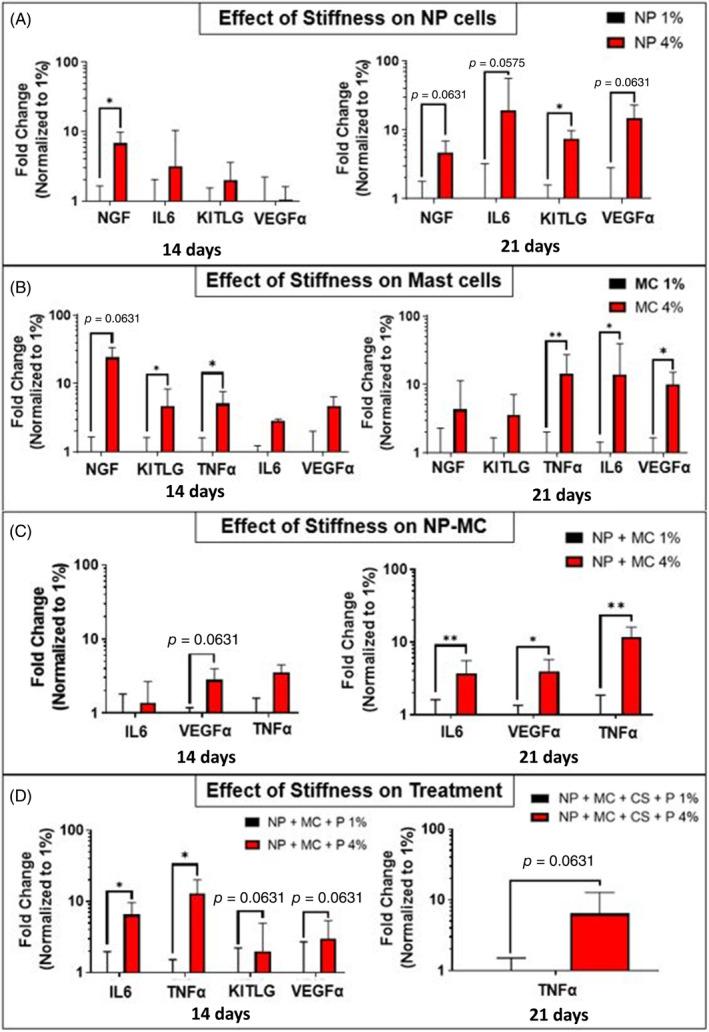
CD 31+ blood vessels, mast cell tryptase, and macrophage CD 163+ were increased in the degenerate surgical canine tissue compared to healthy autopsy. Pro-inflammatory genes were upregulated when canine NP cells were co-cultured with MCs and the stiffer microenvironment enhanced these effects. Treatment with CS and PAR2 inhibitors mediated key pro-inflammatory markers in canine NP cells.
CONCLUSION
There is increased MC, MØs, and vascular ingrowth in the degenerate canine IVD tissue, similar to observations in the clinical population with IVDD and LBP. MCs co-cultured with canine NP cells drive inflammation, and CS and PAR2A are potential therapeutics that may mitigate the pathophysiology of IVDD in vitro.
背景
椎间盘退变在人类和犬类中均有发生,是下腰痛(LBP)的主要原因。肥大细胞(MC)和巨噬细胞(MØ)浸润已在人类和啮齿动物模型的椎间盘退变(IVDD)发病机制中得到确认,但在犬类中仍研究不足。椎间盘内的MC脱颗粒会引发促炎级联反应,并激活椎间盘细胞上的蛋白酶激活受体2(PAR2)。本研究的目的是:(1)突出退变犬椎间盘观察到的病理生理变化;(2)进一步表征与犬髓核(NP)细胞共培养的MC的炎症效应;(3)评估构建体刚度对NP和MC的影响;(4)确定减轻椎间盘微环境病理变化的潜在治疗方法。
方法
从健康的尸检研究犬(比格犬)和因椎间盘突出症接受椎板切除术的宠物犬中分离犬椎间盘组织。评估其形态、蛋白质含量和炎症标志物。从健康尸检(杂种猎犬)组织中分离的NP细胞在琼脂糖构建体内与犬MC共培养,并用色甘酸钠(CS)和PAR2拮抗剂(PAR2A)处理。评估构建体的基因表达、硫酸化糖胺聚糖含量和刚度。
结果
与健康尸检相比,退变手术犬组织中的CD 31+血管、肥大细胞类胰蛋白酶和巨噬细胞CD 163+增加。当犬NP细胞与MC共培养时,促炎基因上调,更硬的微环境增强了这些效应。用CS和PAR2抑制剂处理可介导犬NP细胞中的关键促炎标志物。
结论
退变犬椎间盘组织中MC、MØ和血管向内生长增加,这与临床IVDD和LBP患者的观察结果相似。与犬NP细胞共培养的MC会引发炎症,CS和PAR2A是可能减轻体外IVDD病理生理学的潜在治疗方法。

 Zotero 插件