
基于希腊非酒精性脂肪性肝病病例对照研究的循环代谢物比率作为生活方式风险因素的指标
Circulatory Metabolite Ratios as Indicators of Lifestyle Risk Factors Based on a Greek NAFLD Case-Control Study.
作者信息
Fotakis Charalambos, Amanatidou Athina I, Kafyra Maria, Andreou Vasiliki, Kalafati Ioanna Panagiota, Zervou Maria, Dedoussis George V
机构信息
Institute of Chemical Biology, National Hellenic Research Foundation, 48 Vas. Constantinou Ave., 11635 Athens, Greece.
Department of Nutrition and Dietetics, School of Health Science and Education, Harokopio University of Athens, 17671 Athens, Greece.
出版信息
Nutrients. 2024 Apr 21;16(8):1235. doi: 10.3390/nu16081235.
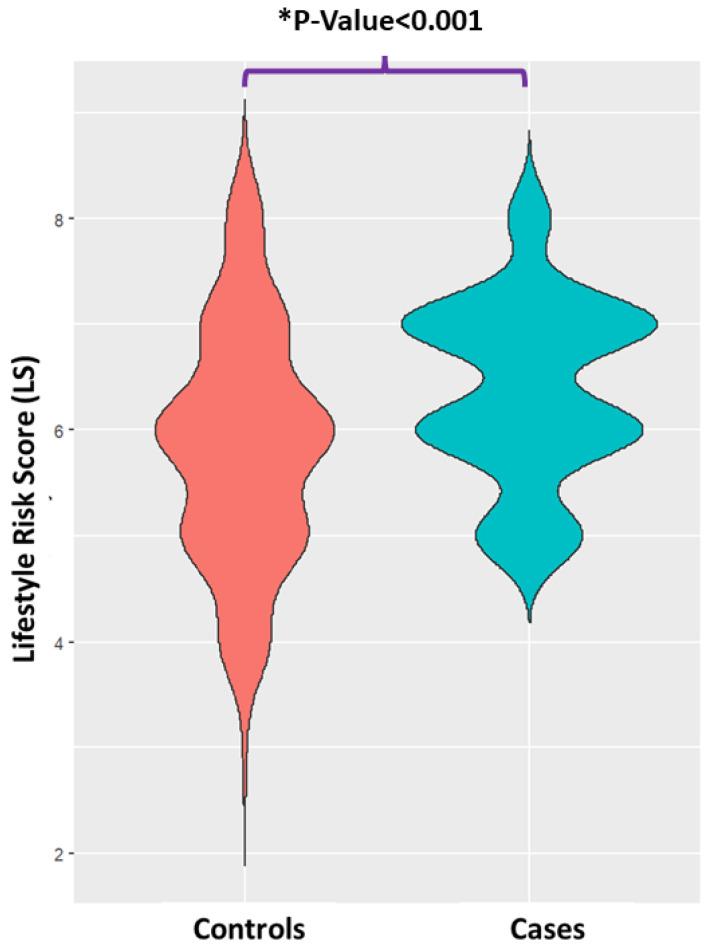
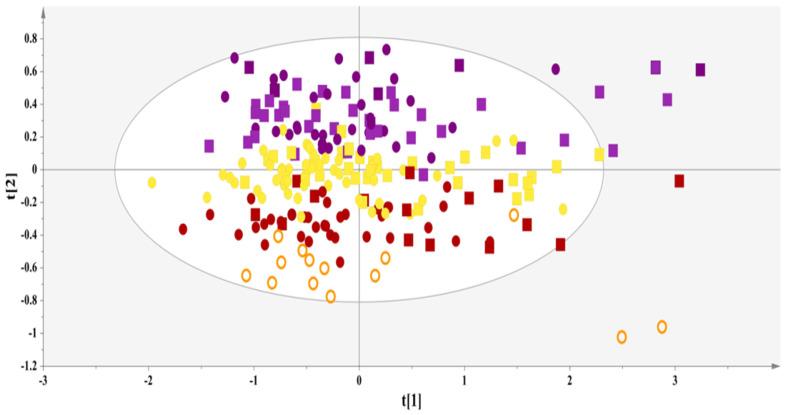
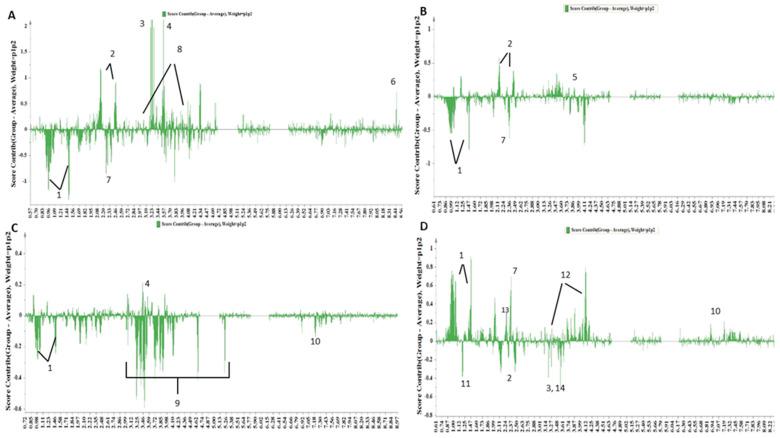
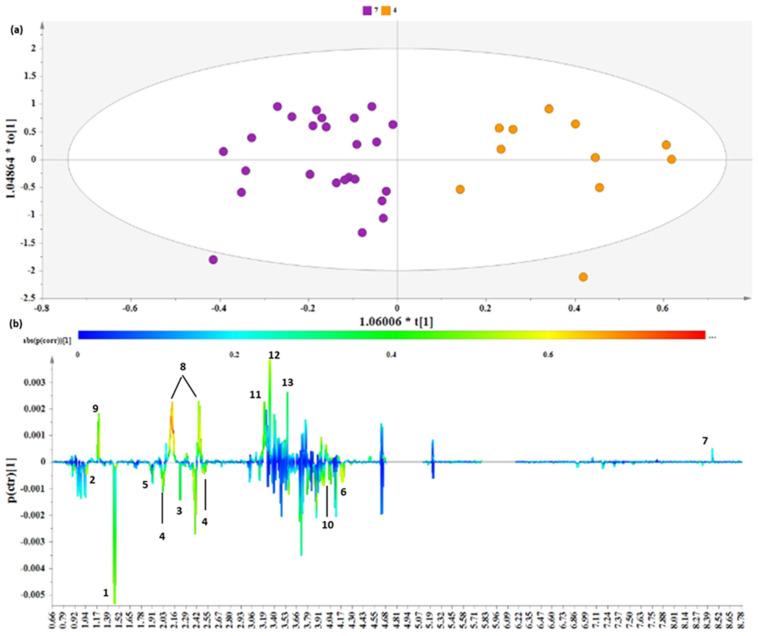
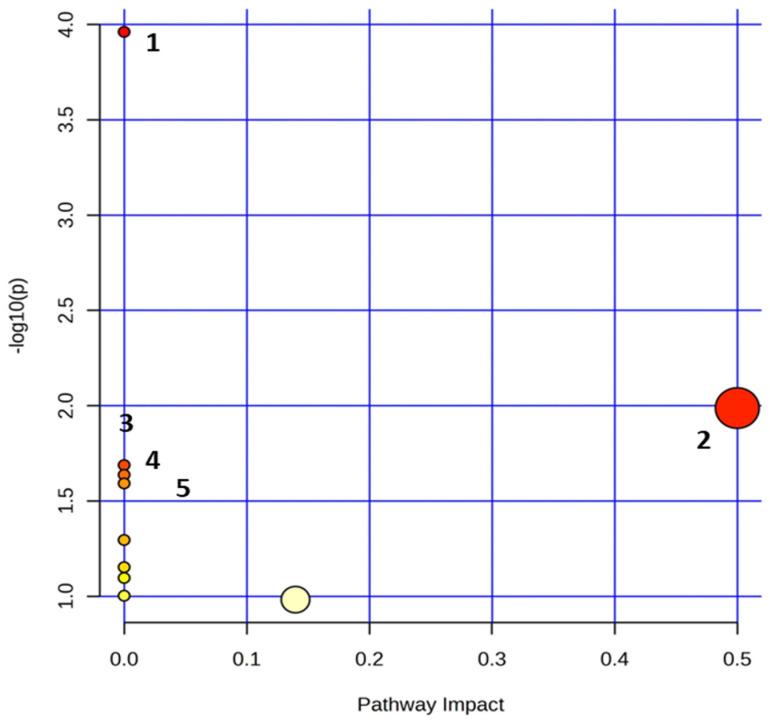
An ensemble of confounding factors, such as an unhealthy diet, obesity, physical inactivity, and smoking, have been linked to a lifestyle that increases one's susceptibility to chronic diseases and early mortality. The circulatory metabolome may provide a rational means of pinpointing the advent of metabolite variations that reflect an adherence to a lifestyle and are associated with the occurrence of chronic diseases. Data related to four major modifiable lifestyle factors, including adherence to the Mediterranean diet (estimated on MedDietScore), body mass index (BMI), smoking, and physical activity level (PAL), were used to create the lifestyle risk score (LS). The LS was further categorized into four groups, where a higher score group indicates a less healthy lifestyle. Drawing on this, we analyzed 223 NMR serum spectra, 89 MASLD patients and 134 controls; these were coupled to chemometrics to identify "key" features and understand the biological processes involved in specific lifestyles. The unsupervised analysis verified that lifestyle was the factor influencing the samples' differentiation, while the supervised analysis highlighted metabolic signatures. Τhe metabolic ratios of alanine/formic acid and leucine/formic acid, with AUROC > 0.8, may constitute discriminant indexes of lifestyle. On these grounds, this research contributed to understanding the impact of lifestyle on the circulatory metabolome and highlighted "prudent lifestyle" biomarkers.
一系列混杂因素,如不健康饮食、肥胖、缺乏身体活动和吸烟,都与一种会增加患慢性病易感性和过早死亡风险的生活方式有关。循环代谢组可能提供一种合理的方法,来确定代谢物变化的出现,这些变化反映了对某种生活方式的依从性,并与慢性病的发生相关。与四种主要的可改变生活方式因素相关的数据,包括对地中海饮食的依从性(根据地中海饮食评分估算)、体重指数(BMI)、吸烟和身体活动水平(PAL),被用于创建生活方式风险评分(LS)。LS进一步分为四组,分数越高表明生活方式越不健康。据此,我们分析了223份核磁共振血清谱、89例代谢相关脂肪性肝病(MASLD)患者和134名对照;这些数据与化学计量学相结合,以识别“关键”特征,并了解特定生活方式所涉及的生物学过程。无监督分析证实生活方式是影响样本区分的因素,而有监督分析突出了代谢特征。丙氨酸/甲酸和亮氨酸/甲酸的代谢比值,曲线下面积(AUROC)>0.8,可能构成生活方式的判别指标。基于这些理由,本研究有助于理解生活方式对循环代谢组的影响,并突出了“谨慎生活方式”的生物标志物。

 Zotero 插件