
提高白藜芦醇的生物利用度:联合使用、衍生化还是包封?
Enhancing the Bioavailability of Resveratrol: Combine It, Derivatize It, or Encapsulate It?
作者信息
Salla Mohamed, Karaki Nadine, El Kaderi Belal, Ayoub Abeer J, Younes Samar, Abou Chahla Maya N, Baksh Shairaz, El Khatib Sami
机构信息
Department of Biological and Chemical Sciences, School of Arts and Sciences, Lebanese International University, Khiyara-West Bekaa, Bayrut P.O. Box 146404, Lebanon.
Department of Biochemistry, Faculty of Medicine & Dentistry, University of Alberta, 113 Street 87 Avenue, Edmonton, AB T6G 2E1, Canada.
出版信息
Pharmaceutics. 2024 Apr 22;16(4):569. doi: 10.3390/pharmaceutics16040569.
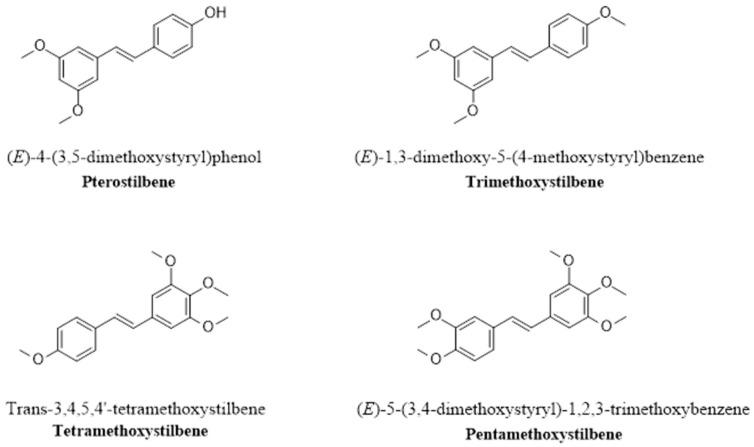
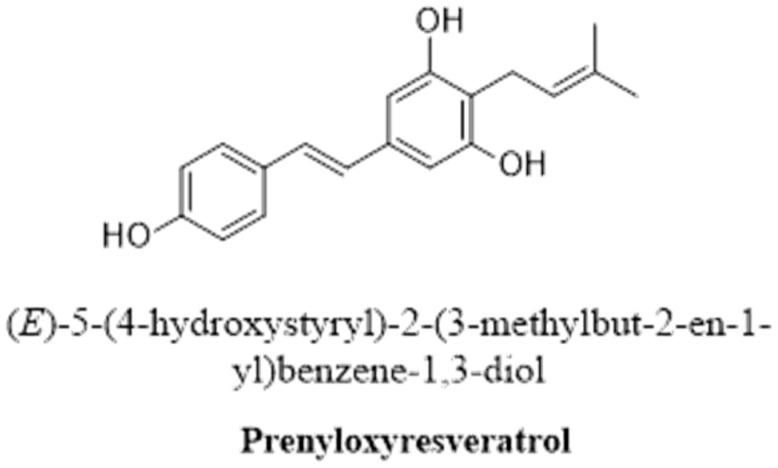
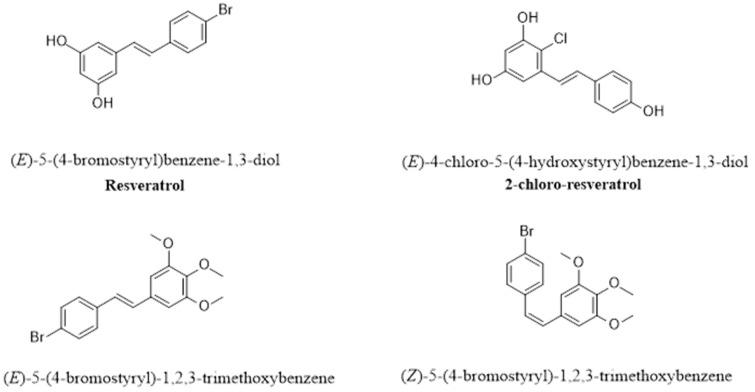
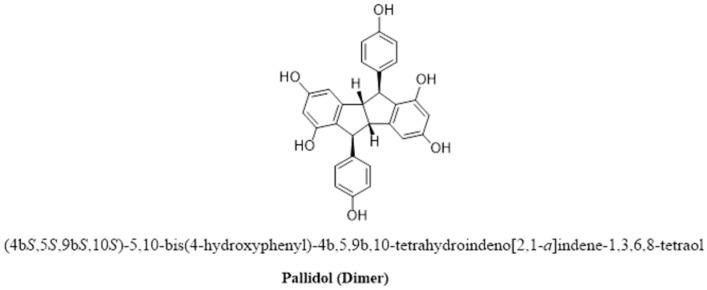
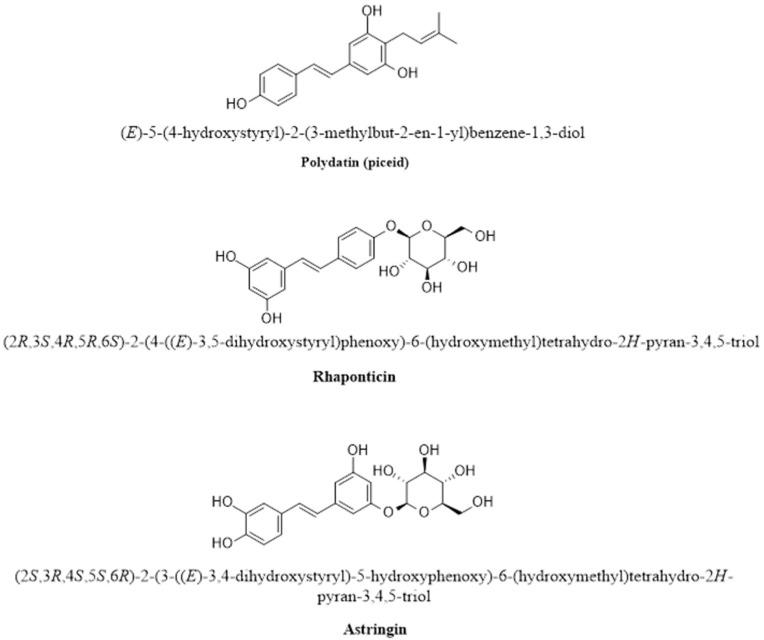
Overcoming the limited bioavailability and extensive metabolism of effective in vitro drugs remains a challenge that limits the translation of promising drugs into clinical trials. Resveratrol, despite its well-reported therapeutic benefits, is not metabolically stable and thus has not been utilized as an effective clinical drug. This is because it needs to be consumed in large amounts to overcome the burdens of bioavailability and conversion into less effective metabolites. Herein, we summarize the more relevant approaches to modify resveratrol, aiming to increase its biological and therapeutic efficacy. We discuss combination therapies, derivatization, and the use of resveratrol nanoparticles. Interestingly, the combination of resveratrol with established chemotherapeutic drugs has shown promising therapeutic effects on colon cancer (with oxaliplatin), liver cancer (with cisplatin, 5-FU), and gastric cancer (with doxorubicin). On the other hand, derivatizing resveratrol, including hydroxylation, amination, amidation, imidation, methoxylation, prenylation, halogenation, glycosylation, and oligomerization, differentially modifies its bioavailability and could be used for preferential therapeutic outcomes. Moreover, the encapsulation of resveratrol allows its trapping within different forms of shells for targeted therapy. Depending on the nanoparticle used, it can enhance its solubility and absorption, increasing its bioavailability and efficacy. These include polymers, metals, solid lipids, and other nanoparticles that have shown promising preclinical results, adding more "hype" to the research on resveratrol. This review provides a platform to compare the different approaches to allow directed research into better treatment options with resveratrol.
克服有效体外药物有限的生物利用度和广泛的代谢问题仍然是一项挑战,这限制了有前景的药物进入临床试验。白藜芦醇尽管有诸多已报道的治疗益处,但代谢不稳定,因此尚未被用作有效的临床药物。这是因为需要大量服用才能克服生物利用度问题以及转化为效果较差的代谢物的负担。在此,我们总结了更相关的修饰白藜芦醇的方法,旨在提高其生物学和治疗效果。我们讨论了联合疗法、衍生化以及白藜芦醇纳米颗粒的应用。有趣的是,白藜芦醇与已有的化疗药物联合使用,已显示出对结肠癌(与奥沙利铂联合)、肝癌(与顺铂、5-氟尿嘧啶联合)和胃癌(与阿霉素联合)有前景的治疗效果。另一方面,对白藜芦醇进行衍生化,包括羟基化、胺化、酰胺化、酰亚胺化、甲氧基化、异戊二烯化、卤化、糖基化和低聚化,会不同程度地改变其生物利用度,可用于实现优先治疗效果。此外,白藜芦醇的包封使其能够被包裹在不同形式的壳内用于靶向治疗。根据所使用的纳米颗粒不同,它可以提高其溶解度和吸收率,增加其生物利用度和疗效。这些包括聚合物、金属、固体脂质和其他纳米颗粒,它们已在临床前研究中显示出有前景的结果,为白藜芦醇的研究增添了更多“热度”。这篇综述提供了一个平台,用于比较不同方法,以便对白藜芦醇更好的治疗选择进行定向研究。


 Zotero 插件