
纳米塑料穿透人体支气管平滑肌和小气道上皮细胞,并影响线粒体代谢。
Nanoplastics Penetrate Human Bronchial Smooth Muscle and Small Airway Epithelial Cells and Affect Mitochondrial Metabolism.
机构信息
Department of Clinical Immunology, Wroclaw Medical University, 51-616 Wroclaw, Poland.
Laboratory of Clinical Immunogenetics and Pharmacogenetics, Hirszfeld Institute of Immunology and Experimental Therapy, Polish Academy of Sciences, 53-114 Wroclaw, Poland.
出版信息
Int J Mol Sci. 2024 Apr 26;25(9):4724. doi: 10.3390/ijms25094724.
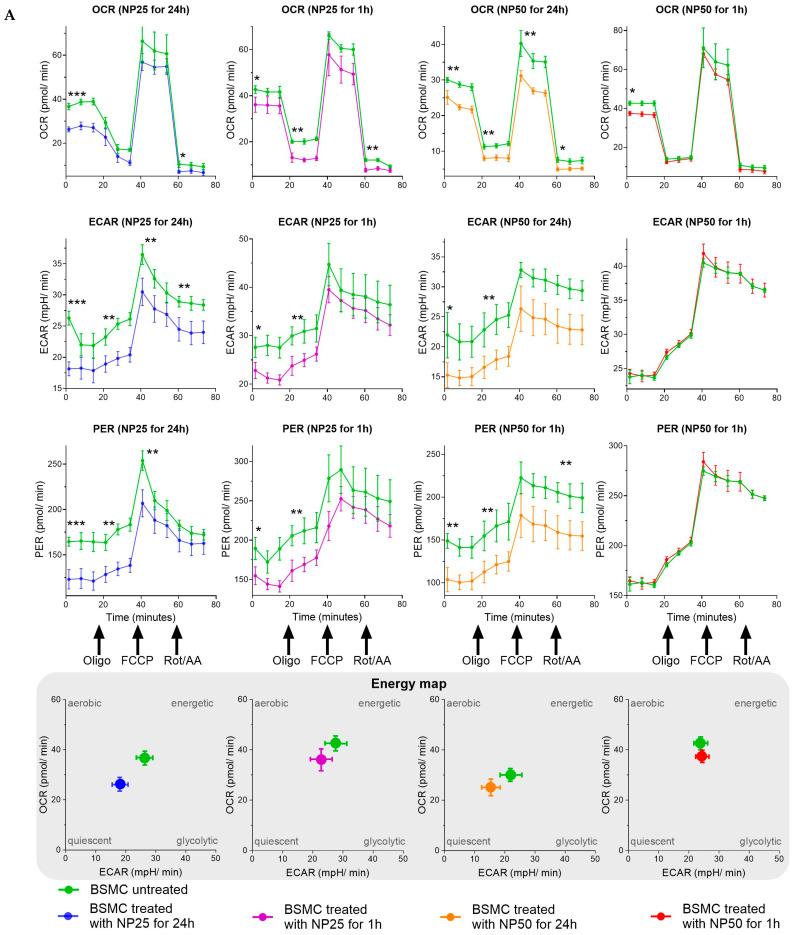
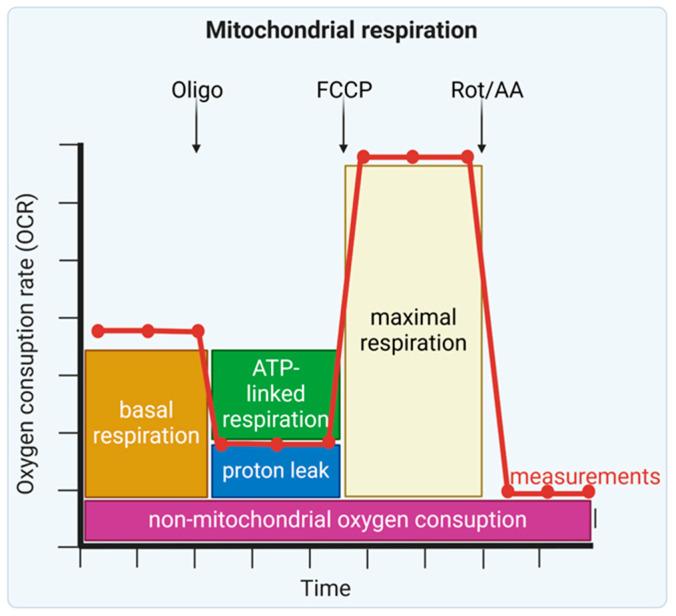
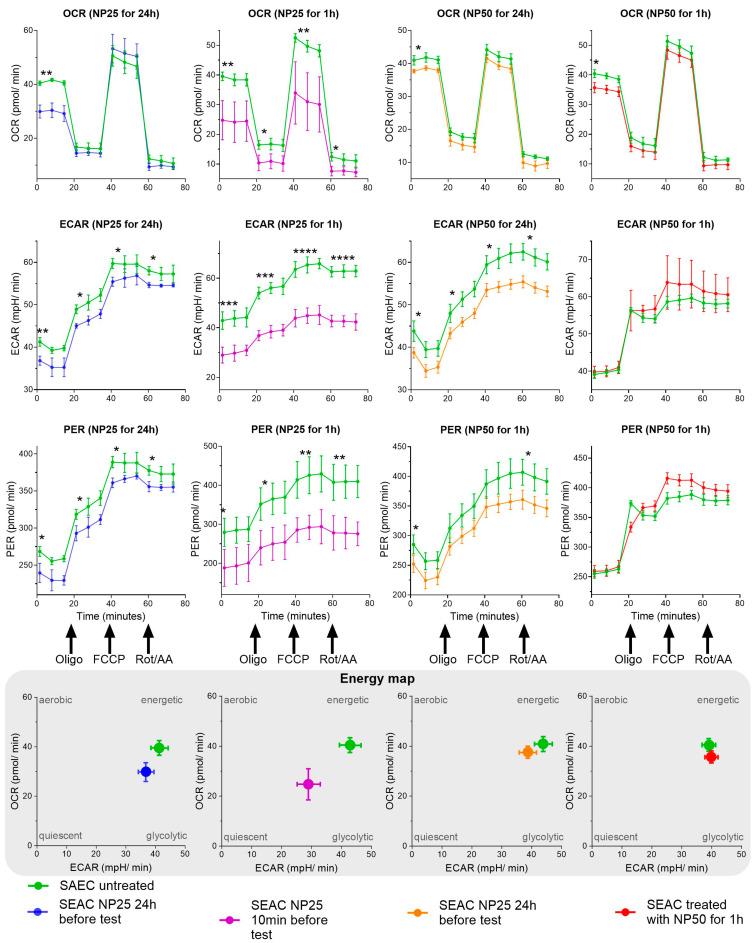
Micro- and nanoplastic particles, including common forms like polyethylene and polystyrene, have been identified as relevant pollutants, potentially causing health problems in living organisms. The mechanisms at the cellular level largely remain to be elucidated. This study aims to visualize nanoplastics in bronchial smooth muscle (BSMC) and small airway epithelial cells (SAEC), and to assess the impact on mitochondrial metabolism. Healthy and asthmatic human BSMC and SAEC in vitro cultures were stimulated with polystyrene nanoplastics (PS-NPs) of 25 or 50 nm size, for 1 or 24 h. Live cell, label-free imaging by holotomography microscopy and mitochondrial respiration and glycolysis assessment were performed. Furthermore, 25 and 50 nm NPs were shown to penetrate SAEC, along with healthy and diseased BSMC, and they impaired bioenergetics and induce mitochondrial dysfunction compared to cells not treated with NPs, including changes in oxygen consumption rate and extracellular acidification rate. NPs pose a serious threat to human health by penetrating airway tissues and cells, and affecting both oxidative and glycolytic metabolism.
微塑料和纳米塑料颗粒,包括常见的聚乙烯和聚苯乙烯等形式,已被确定为相关污染物,可能对生物体造成健康问题。细胞水平的机制在很大程度上仍有待阐明。本研究旨在可视化支气管平滑肌 (BSMC) 和小气道上皮细胞 (SAEC) 中的纳米塑料,并评估其对线粒体代谢的影响。体外培养的健康和哮喘人类 BSMC 和 SAEC 用 25 或 50nm 大小的聚苯乙烯纳米塑料 (PS-NPs) 刺激 1 或 24 小时。通过全层析显微镜进行活细胞、无标记成像和线粒体呼吸及糖酵解评估。此外,25nm 和 50nm 的 NPs 被证明能够穿透 SAEC,以及健康和患病的 BSMC,与未用 NPs 处理的细胞相比,它们会损害生物能量学并导致线粒体功能障碍,包括耗氧量和细胞外酸化率的变化。NPs 通过穿透气道组织和细胞,影响氧化和糖酵解代谢,对人类健康构成严重威胁。


 Zotero 插件