
大麻二酚(CBD)对氧化应激和神经炎症的调节作用:治疗阿尔茨海默病的潜在靶点
Modulation of Oxidative Stress and Neuroinflammation by Cannabidiol (CBD): Promising Targets for the Treatment of Alzheimer's Disease.
作者信息
Hickey Jordan P, Collins Andrila E, Nelson Mackayla L, Chen Helen, Kalisch Bettina E
机构信息
Department of Biomedical Sciences and Collaborative Specialization in Neuroscience Program, University of Guelph, Guelph, ON N1G 2W1, Canada.
出版信息
Curr Issues Mol Biol. 2024 May 6;46(5):4379-4402. doi: 10.3390/cimb46050266.
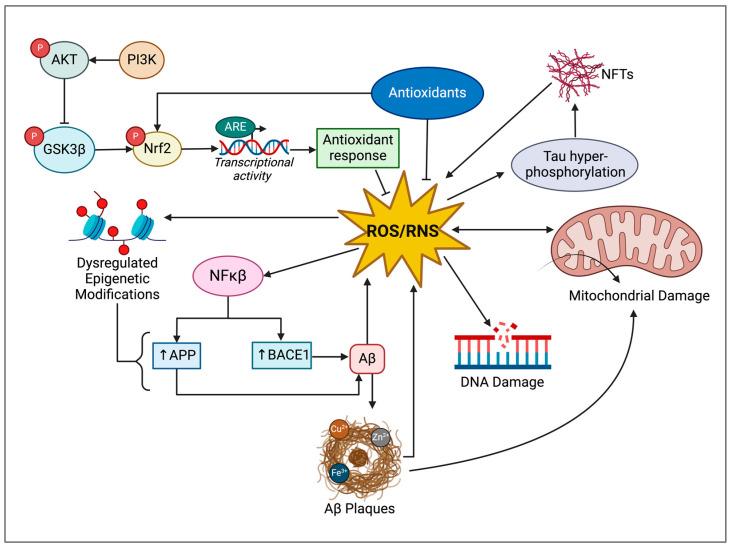
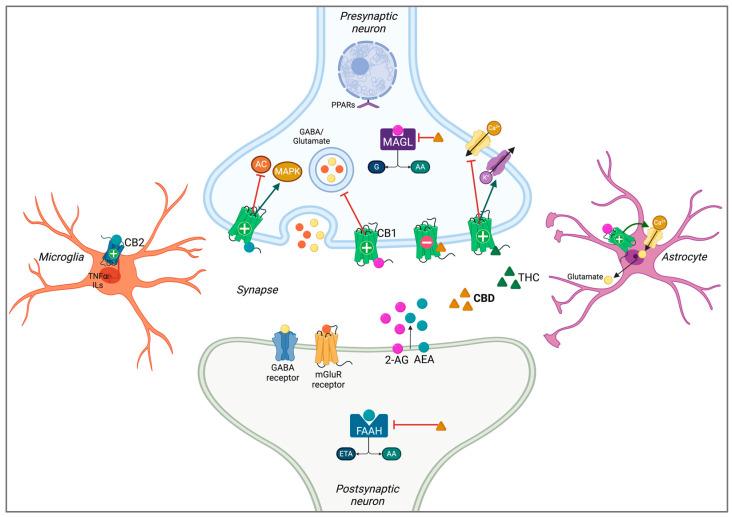
Alzheimer's disease (AD) is a progressive neurodegenerative disease and the most common form of dementia globally. Although the direct cause of AD remains under debate, neuroinflammation and oxidative stress are critical components in its pathogenesis and progression. As a result, compounds like cannabidiol (CBD) are being increasingly investigated for their ability to provide antioxidant and anti-inflammatory neuroprotection. CBD is the primary non-psychotropic phytocannabinoid derived from It has been found to provide beneficial outcomes in a variety of medical conditions and is gaining increasing attention for its potential therapeutic application in AD. CBD is not psychoactive and its lipophilic nature allows its rapid distribution throughout the body, including across the blood-brain barrier (BBB). CBD also possesses anti-inflammatory, antioxidant, and neuroprotective properties, making it a viable candidate for AD treatment. This review outlines CBD's mechanism of action, the role of oxidative stress and neuroinflammation in AD, and the effectiveness and limitations of CBD in preclinical models of AD.
阿尔茨海默病(AD)是一种进行性神经退行性疾病,也是全球最常见的痴呆形式。尽管AD的直接病因仍存在争议,但神经炎症和氧化应激是其发病机制和病情进展的关键因素。因此,像大麻二酚(CBD)这样的化合物因其提供抗氧化和抗炎神经保护作用的能力而受到越来越多的研究。CBD是从[具体来源未给出]中提取的主要非精神活性植物大麻素。已发现它在多种医疗状况下能产生有益效果,并因其在AD中的潜在治疗应用而受到越来越多的关注。CBD无精神活性,其亲脂性使其能够迅速分布于全身,包括穿过血脑屏障(BBB)。CBD还具有抗炎、抗氧化和神经保护特性,使其成为AD治疗的一个可行候选药物。本综述概述了CBD的作用机制、氧化应激和神经炎症在AD中的作用,以及CBD在AD临床前模型中的有效性和局限性。


 Zotero 插件