
微藻生物塑料的绿色合成:最新综述
Green Synthesis of Bioplastics from Microalgae: A State-of-the-Art Review.
作者信息
Adetunji Adegoke Isiaka, Erasmus Mariana
机构信息
Centre for Mineral Biogeochemistry, University of the Free State, Bloemfontein 9301, South Africa.
出版信息
Polymers (Basel). 2024 May 8;16(10):1322. doi: 10.3390/polym16101322.
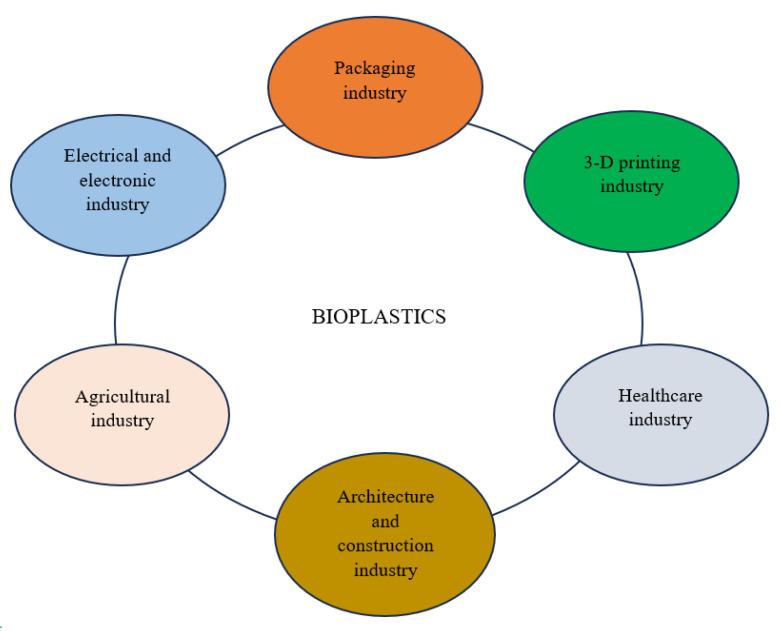
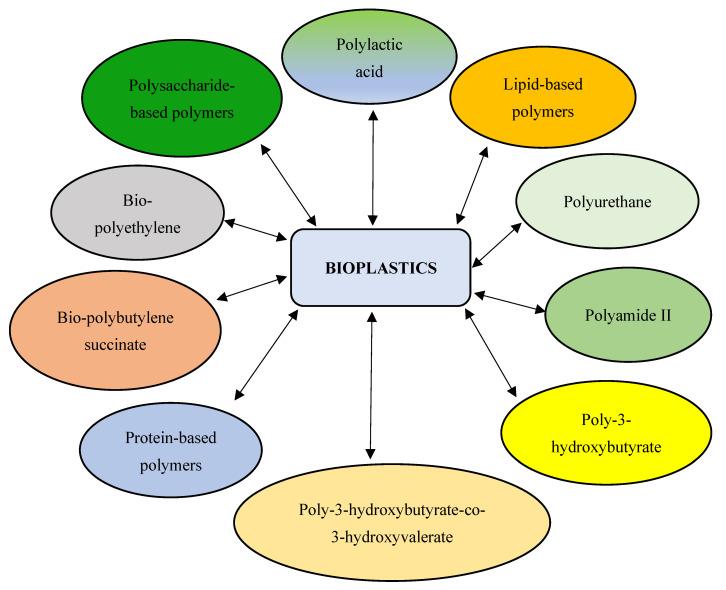
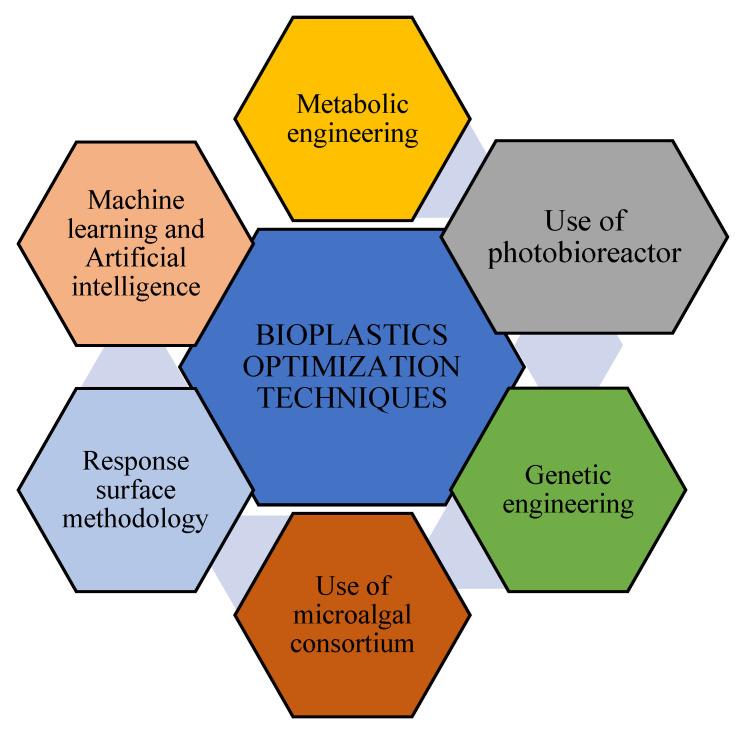
The synthesis of conventional plastics has increased tremendously in the last decades due to rapid industrialization, population growth, and advancement in the use of modern technologies. However, overuse of these fossil fuel-based plastics has resulted in serious environmental and health hazards by causing pollution, global warming, etc. Therefore, the use of microalgae as a feedstock is a promising, green, and sustainable approach for the production of biobased plastics. Various biopolymers, such as polyhydroxybutyrate, polyurethane, polylactic acid, cellulose-based polymers, starch-based polymers, and protein-based polymers, can be produced from different strains of microalgae under varying culture conditions. Different techniques, including genetic engineering, metabolic engineering, the use of photobioreactors, response surface methodology, and artificial intelligence, are used to alter and improve microalgae stocks for the commercial synthesis of bioplastics at lower costs. In comparison to conventional plastics, these biobased plastics are biodegradable, biocompatible, recyclable, non-toxic, eco-friendly, and sustainable, with robust mechanical and thermoplastic properties. In addition, the bioplastics are suitable for a plethora of applications in the agriculture, construction, healthcare, electrical and electronics, and packaging industries. Thus, this review focuses on techniques for the production of biopolymers and bioplastics from microalgae. In addition, it discusses innovative and efficient strategies for large-scale bioplastic production while also providing insights into the life cycle assessment, end-of-life, and applications of bioplastics. Furthermore, some challenges affecting industrial scale bioplastics production and recommendations for future research are provided.
在过去几十年中,由于快速工业化、人口增长以及现代技术应用的进步,传统塑料的合成量大幅增加。然而,过度使用这些基于化石燃料的塑料已通过造成污染、全球变暖等导致了严重的环境和健康危害。因此,使用微藻作为原料是生产生物基塑料的一种有前景、绿色且可持续的方法。在不同的培养条件下,各种生物聚合物,如聚羟基丁酸酯、聚氨酯、聚乳酸、纤维素基聚合物、淀粉基聚合物和蛋白质基聚合物,可由不同的微藻菌株生产。包括基因工程、代谢工程、光生物反应器的使用、响应面方法和人工智能在内的不同技术,被用于改变和改良微藻种群,以降低成本进行生物塑料的商业合成。与传统塑料相比,这些生物基塑料具有可生物降解、生物相容、可回收、无毒、环保和可持续的特点,同时具备强大的机械性能和热塑性。此外,生物塑料适用于农业、建筑、医疗保健、电气和电子以及包装行业等众多应用领域。因此,本综述重点关注从微藻生产生物聚合物和生物塑料的技术。此外,它还讨论了大规模生物塑料生产的创新和高效策略,同时还提供了对生物塑料生命周期评估、寿命终结和应用的见解。此外,还提供了一些影响工业规模生物塑料生产的挑战以及对未来研究的建议。

 Zotero 插件