
精准医学时代的核医学心脏病学:为个体患者量身定制治疗方案。
Nuclear Cardiology in the Era of Precision Medicine: Tailoring Treatment to the Individual Patient.
作者信息
Ayalew Biruk D, Rodoshi Zarin Nudar, Patel Vaishvik K, Alresheq Alaa, Babu Hisham M, Aurangzeb Raja Faizan, Aurangzeb Raja Irsalan, Mdivnishvili Marika, Rehman Abdur, Shehryar Abdullah, Hassan Ahmad
机构信息
Internal Medicine, Saint Paul's Hospital Millennium Medical College, Addis Ababa, ETH.
Medical School, Mymensingh Medical College, Dhaka, BGD.
出版信息
Cureus. 2024 Apr 24;16(4):e58960. doi: 10.7759/cureus.58960. eCollection 2024 Apr.
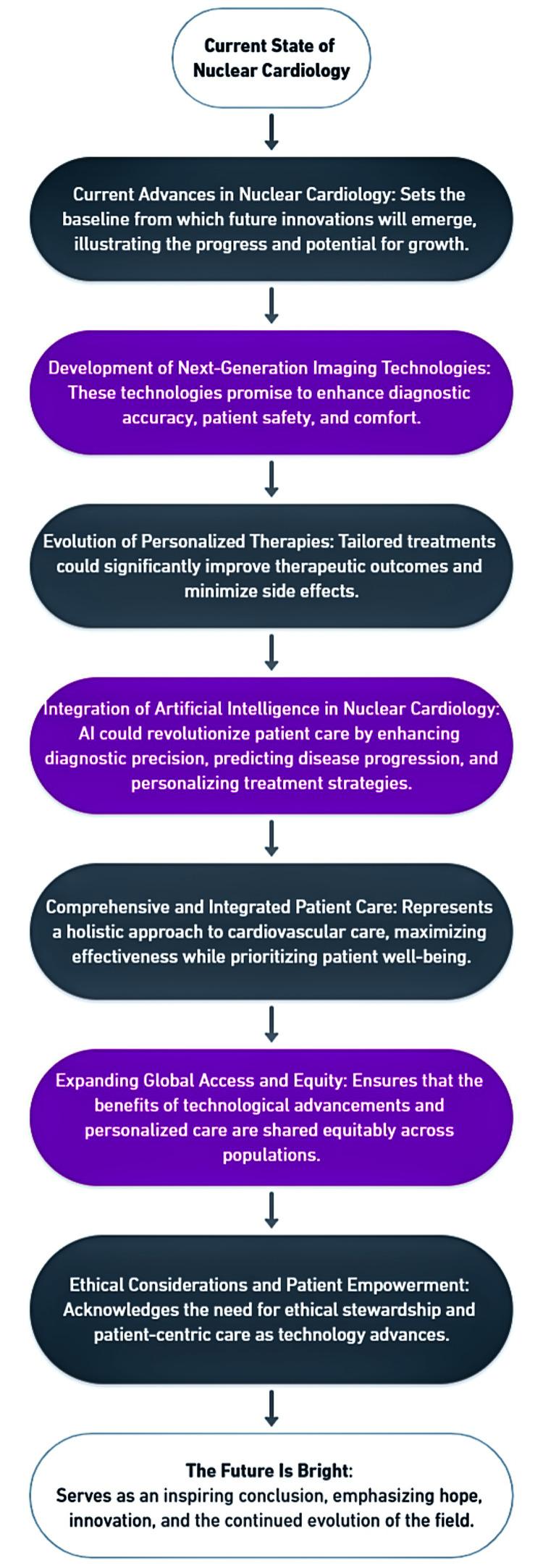
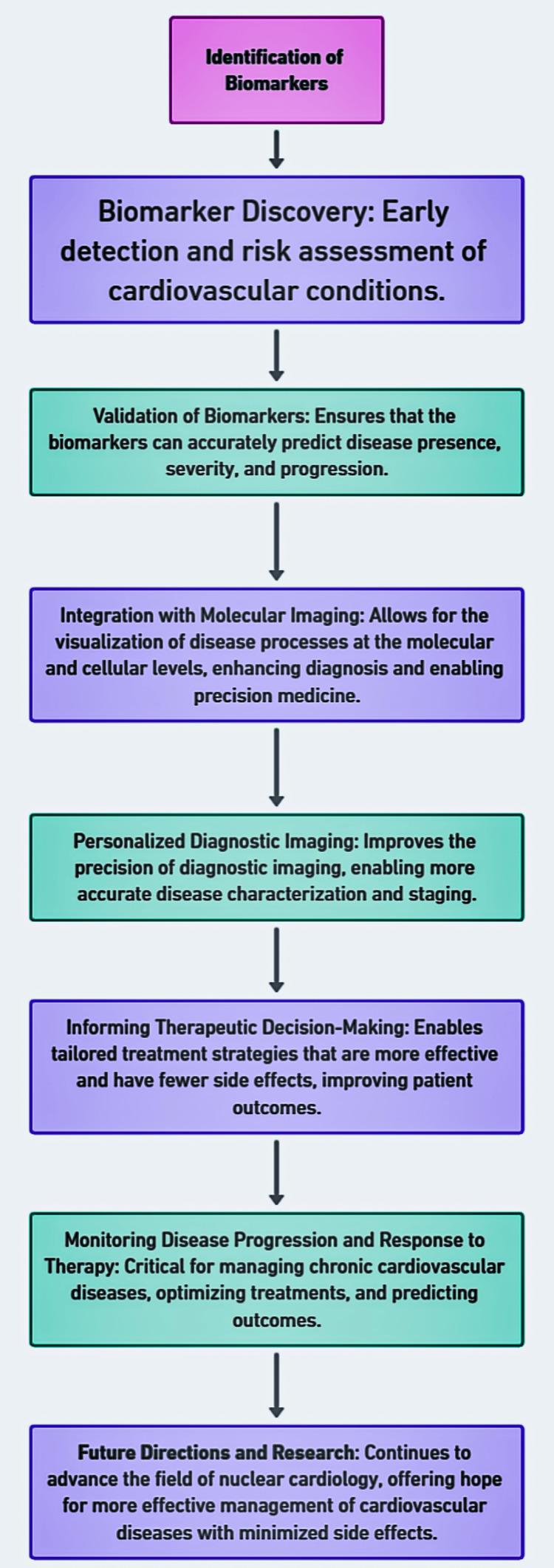
Nuclear cardiology, employing advanced imaging technologies like positron emission tomography (PET) and single photon emission computed tomography (SPECT), is instrumental in diagnosing, risk stratifying, and managing heart diseases. Concurrently, precision medicine advocates for treatments tailored to each patient's genetic, environmental, and lifestyle specificities, promising a revolution in personalized cardiovascular care. This review explores the synergy between nuclear cardiology and precision medicine, highlighting advancements, potential enhancements in patient outcomes, and the challenges and opportunities of this integration. We examined the evolution of nuclear cardiology technologies, including PET and SPECT, and their role in cardiovascular diagnostics. We also delved into the principles of precision medicine, focusing on genetic and molecular profiling, data analytics, and individualized treatment strategies. The integration of these domains aims to optimize diagnostic accuracy, therapeutic interventions, and prognostic evaluations in cardiovascular care. Advancements in molecular imaging and the application of artificial intelligence in nuclear cardiology have significantly improved the precision of diagnostics and treatment plans. The adoption of precision medicine principles in nuclear cardiology enables the customization of patient care, leveraging genetic information and biomarkers for enhanced therapeutic outcomes. However, challenges such as data integration, accessibility, cost, and the need for specialized expertise persist. The confluence of nuclear cardiology and precision medicine offers a promising pathway toward revolutionizing cardiovascular healthcare, providing more accurate, effective, and personalized patient care. Addressing existing challenges and fostering interdisciplinary collaboration is crucial for realizing the full potential of this integration in improving patient outcomes.
核心脏病学采用正电子发射断层扫描(PET)和单光子发射计算机断层扫描(SPECT)等先进成像技术,在心脏病的诊断、风险分层和管理中发挥着重要作用。与此同时,精准医学主张根据每位患者的基因、环境和生活方式特点进行个性化治疗,有望给个性化心血管护理带来一场革命。本综述探讨了核心脏病学与精准医学之间的协同作用,重点介绍了进展、对改善患者预后的潜在作用,以及这种整合所面临的挑战和机遇。我们研究了包括PET和SPECT在内的核心脏病学技术的发展及其在心血管诊断中的作用。我们还深入探讨了精准医学的原理,重点关注基因和分子分析、数据分析以及个性化治疗策略。这些领域的整合旨在优化心血管护理中的诊断准确性、治疗干预和预后评估。分子成像的进展以及人工智能在核心脏病学中的应用显著提高了诊断和治疗方案的精准度。在核心脏病学中采用精准医学原则能够实现患者护理的个性化,利用基因信息和生物标志物提高治疗效果。然而,数据整合、可及性、成本以及对专业知识的需求等挑战依然存在。核心脏病学与精准医学的融合为心血管医疗变革提供了一条充满希望的途径,能够提供更准确、有效和个性化的患者护理。应对现有挑战并促进跨学科合作对于充分发挥这种整合在改善患者预后方面的潜力至关重要。
 Zotero 插件