
全基因组测序鉴定出 1 型糖尿病中风相关的 ANK1、LRRN1、HAS1 等基因和调控区域的变异。
Whole-genome sequencing identifies variants in ANK1, LRRN1, HAS1, and other genes and regulatory regions for stroke in type 1 diabetes.
机构信息
Folkhälsan Institute of Genetics, Folkhälsan Research Center, Helsinki, Finland.
Department of Nephrology, University of Helsinki and Helsinki University Hospital, Helsinki, Finland.
出版信息
Sci Rep. 2024 Jun 11;14(1):13453. doi: 10.1038/s41598-024-61840-7.
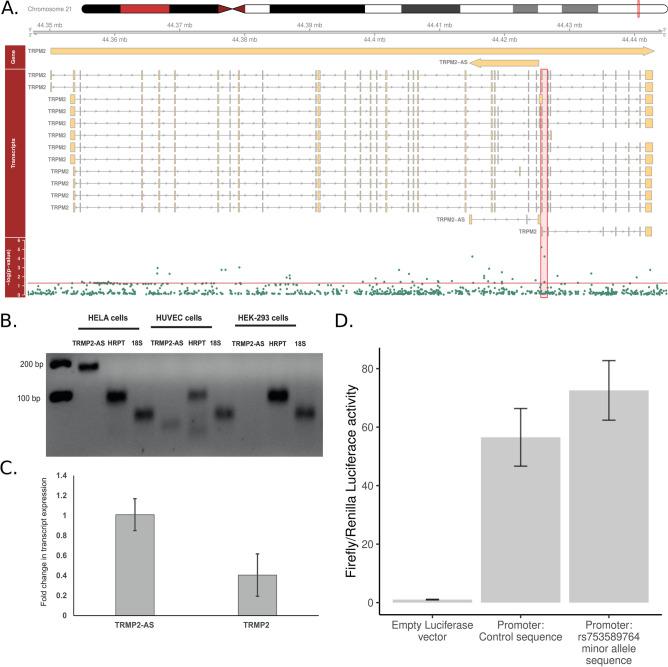
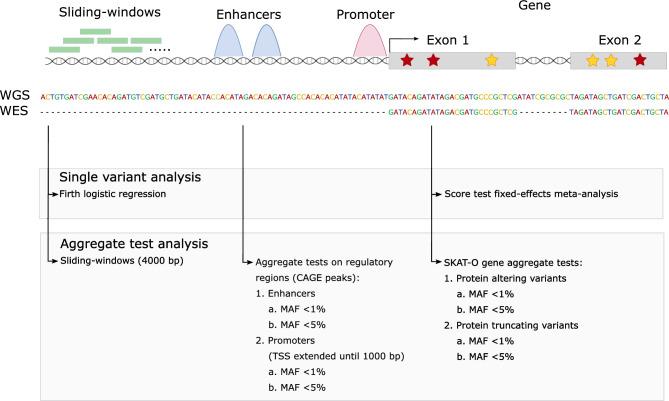
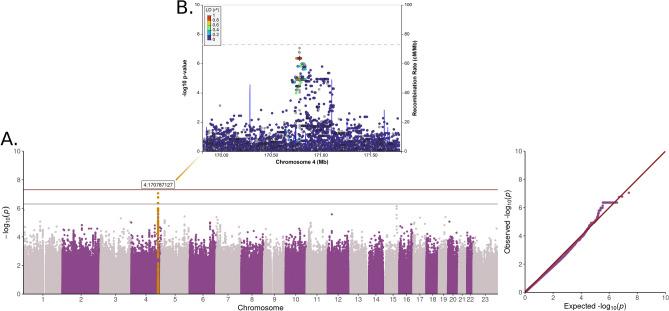
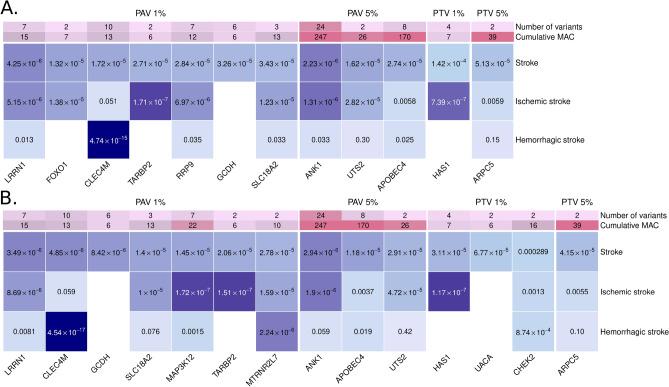
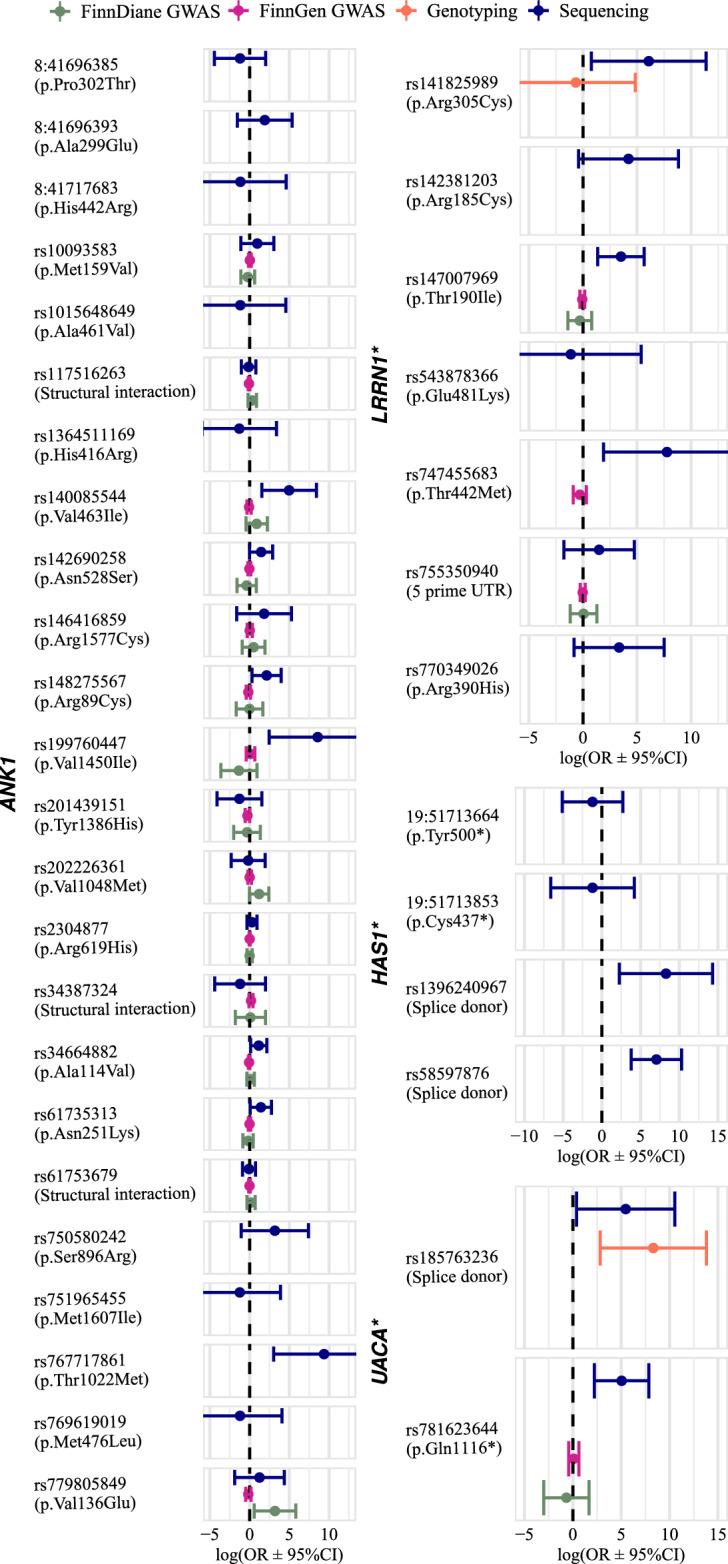
Individuals with type 1 diabetes (T1D) carry a markedly increased risk of stroke, with distinct clinical and neuroimaging characteristics as compared to those without diabetes. Using whole-exome or whole-genome sequencing of 1,051 individuals with T1D, we aimed to find rare and low-frequency genomic variants associated with stroke in T1D. We analysed the genome comprehensively with single-variant analyses, gene aggregate analyses, and aggregate analyses on genomic windows, enhancers and promoters. In addition, we attempted replication in T1D using a genome-wide association study (N = 3,945) and direct genotyping (N = 3,263), and in the general population from the large-scale population-wide FinnGen project and UK Biobank summary statistics. We identified a rare missense variant on SREBF1 exome-wide significantly associated with stroke (rs114001633, p.Pro227Leu, p-value = 7.30 × 10), which replicated for hemorrhagic stroke in T1D. Using gene aggregate analysis, we identified exome-wide significant genes: ANK1 and LRRN1 displayed replication evidence in T1D, and LRRN1, HAS1 and UACA in the general population (UK Biobank). Furthermore, we performed sliding-window analyses and identified 14 genome-wide significant windows for stroke on 4q33-34.1, of which two replicated in T1D, and a suggestive genomic window on LINC01500, which replicated in T1D. Finally, we identified a suggestively stroke-associated TRPM2-AS promoter (p-value = 5.78 × 10) with borderline significant replication in T1D, which we validated with an in vitro cell-based assay. Due to the rarity of the identified genetic variants, future replication of the genomic regions represented here is required with sequencing of individuals with T1D. Nevertheless, we here report the first genome-wide analysis on stroke in individuals with diabetes.
1 型糖尿病(T1D)患者发生中风的风险明显增加,其临床和神经影像学特征与非糖尿病患者明显不同。我们对 1051 名 T1D 患者进行了全外显子或全基因组测序,旨在寻找与 T1D 中风相关的罕见和低频基因组变异。我们使用单变异分析、基因聚集分析以及基因组窗口、增强子和启动子的聚集分析全面分析了基因组。此外,我们还在 T1D 中使用全基因组关联研究(N=3945)和直接基因分型(N=3263)进行了复制,在大型人群全基因组 FinnGen 项目和英国生物库汇总统计数据中进行了一般人群的复制。我们在 SREBF1 外显子范围内发现了一个与中风显著相关的罕见错义变异(rs114001633,p.Pro227Leu,p 值=7.30×10),该变异在 T1D 中复制为出血性中风。使用基因聚集分析,我们发现了外显子范围内显著的基因:ANK1 和 LRRN1 在 T1D 中显示出复制证据,LRRN1、HAS1 和 UACA 在一般人群(英国生物库)中显示出复制证据。此外,我们进行了滑动窗口分析,确定了 4q33-34.1 上与中风相关的 14 个全基因组显著窗口,其中两个在 T1D 中复制,LINC01500 上的一个提示性基因组窗口在 T1D 中复制。最后,我们确定了一个提示性与中风相关的 TRPM2-AS 启动子(p 值=5.78×10),在 T1D 中有边缘显著的复制,我们通过体外细胞基础测定法对此进行了验证。由于所鉴定的遗传变异的罕见性,需要对 T1D 患者进行测序,以对代表这些基因组区域的进行进一步复制。尽管如此,我们在这里报告了首例糖尿病患者中风的全基因组分析。

 Zotero 插件