
与肠道微生物群相互作用的宿主衍生分子概述。
An overview of host-derived molecules that interact with gut microbiota.
作者信息
Zhang Chenguang, Liu Huifeng, Sun Lei, Wang Yue, Chen Xiaodong, Du Juan, Sjöling Åsa, Yao Junhu, Wu Shengru
机构信息
College of Animal Science and Technology Northwest A&F University Yangling China.
Centre for Translational Microbiome Research, Department of Microbiology, Tumor and Cell Biology Karolinska Institutet Stockholm Sweden.
出版信息
Imeta. 2023 Feb 13;2(2):e88. doi: 10.1002/imt2.88. eCollection 2023 May.
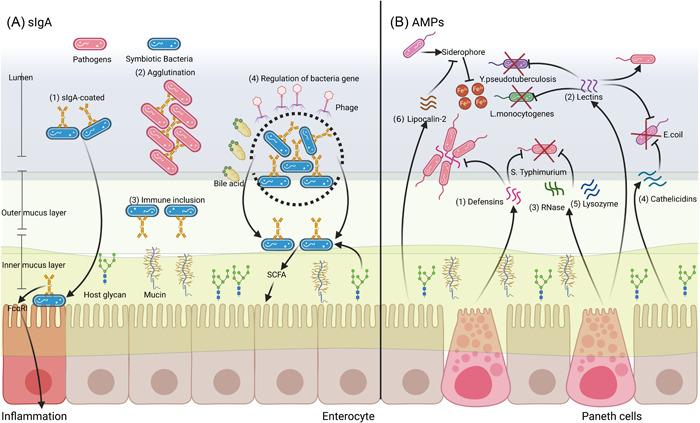
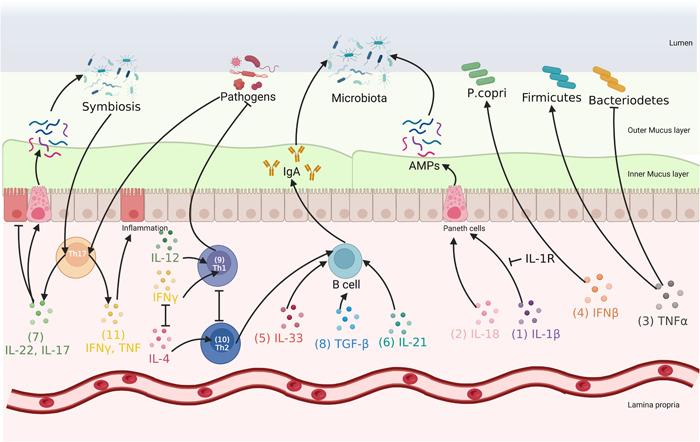
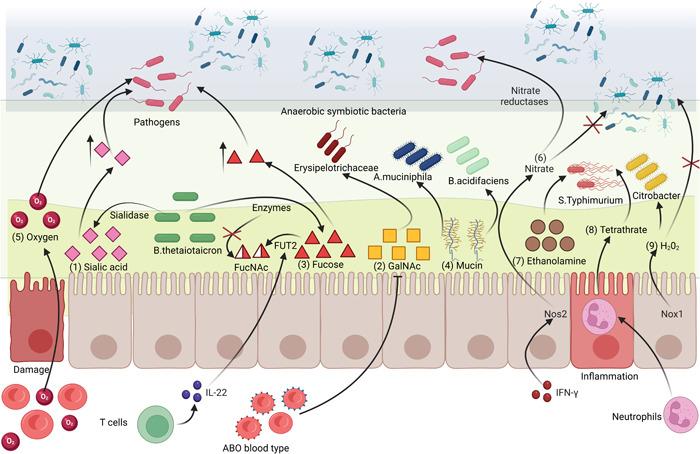
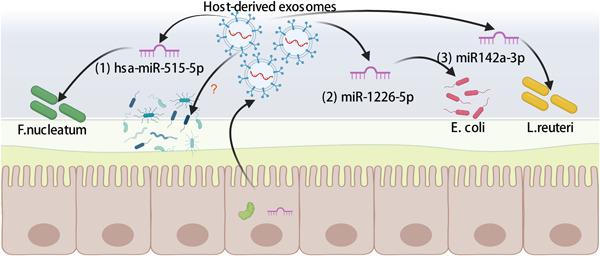
The gut microbiota comprises bacteria, archaea, fungi, protists, and viruses that live together and interact with each other and with host cells. A stable gut microbiota is vital for regulating host metabolism and maintaining body health, while a disturbed microbiota may induce different kinds of disease. In addition, diet is also considered to be the main factor that influences the gut microbiota. The host could shape the gut microbiota through other factors. Here, we reviewed the mechanisms that mediate host regulation on gut microbiota, involved in gut-derived molecules, including gut-derived immune system molecules (secretory immunoglobulin A, antimicrobial peptides, cytokines, cluster of differentiation 4 effector T cell, and innate lymphoid cells), sources related to gut-derived mucosal molecules (carbon sources, nitrogen sources, oxygen sources, and electron respiratory acceptors), gut-derived exosomal noncoding RNA (ncRNAs) (microRNAs, circular RNA, and long ncRNA), and molecules derived from organs other than the gut (estrogen, androgen, neurohormones, bile acid, and lactic acid). This study provides a systemic overview for understanding the interplay between gut microbiota and host, a comprehensive source for potential ways to manipulate gut microbiota, and a solid foundation for future personalized treatment that utilizes gut microbiota.
肠道微生物群由细菌、古菌、真菌、原生生物和病毒组成,它们共同生活并相互作用,同时也与宿主细胞相互作用。稳定的肠道微生物群对于调节宿主代谢和维持身体健康至关重要,而微生物群紊乱可能会引发各种疾病。此外,饮食也被认为是影响肠道微生物群的主要因素。宿主还可通过其他因素塑造肠道微生物群。在此,我们综述了介导宿主对肠道微生物群调节的机制,这些机制涉及肠道衍生分子,包括肠道衍生的免疫系统分子(分泌型免疫球蛋白A、抗菌肽、细胞因子、分化簇4效应T细胞和固有淋巴细胞)、与肠道衍生黏膜分子相关的来源(碳源、氮源、氧源和电子呼吸受体)、肠道衍生的外泌体非编码RNA(ncRNAs)(微小RNA、环状RNA和长链ncRNA)以及源自肠道以外器官的分子(雌激素、雄激素、神经激素、胆汁酸和乳酸)。本研究为理解肠道微生物群与宿主之间的相互作用提供了系统概述,为操纵肠道微生物群的潜在方法提供了全面来源,并为未来利用肠道微生物群的个性化治疗奠定了坚实基础。

 Zotero 插件