
粪便和小肠样本中微塑料分析方法的建立与验证
Set up and validation of a method to analyse microplastics in stool and small intestine samples.
作者信息
Santini Saul, Exposito Nora, Sierra Jordi, Cincinelli Alessandra, Rovira Joaquim
机构信息
Department of Chemistry "Ugo Schiff", University of Florence, Via della Lastruccia 3-13, 50019 Sesto Fiorentino, Italy.
Environmental Engineering Laboratory, Departament d'Enginyeria Química, Universitat Rovira i Virgili, Paisos Catalans Avenue 26, 43007 Tarragona, Catalonia, Spain.
出版信息
MethodsX. 2024 May 31;12:102777. doi: 10.1016/j.mex.2024.102777. eCollection 2024 Jun.
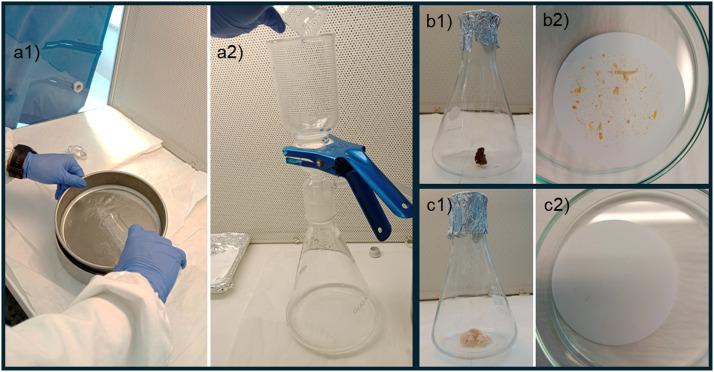
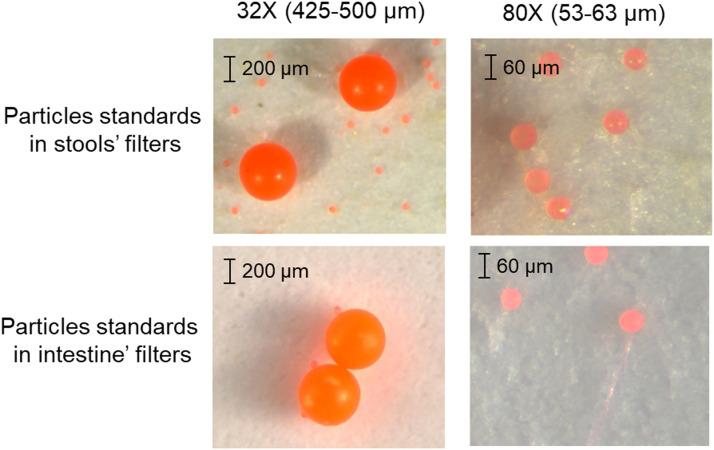
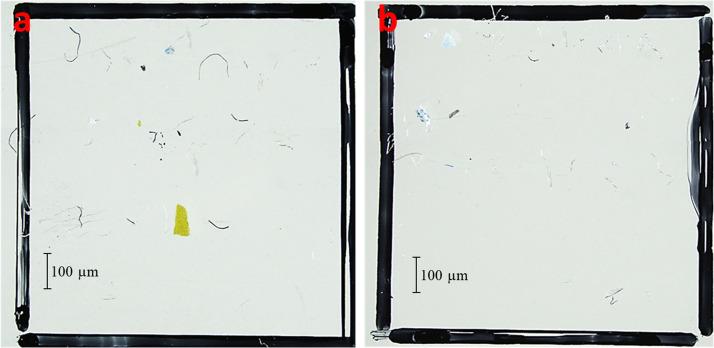
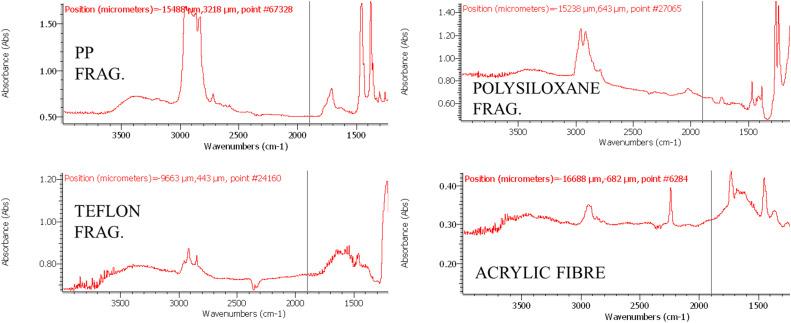
The contamination of microplastics in humans is of increasing concern. Therefore, the aim of this study was to develop effective methods to determine the concentration and types of microplastics entering human digestive system. To study levels of MPs contamination in humans, an excellent indicator are stools. Indeed, stools, and thus the digestive system, can be an excellent indicator of the level of MPs contamination in humans. Hence, objective was to find effective methods to extract, quantify and characterize microplastics in stool and small intestine samples. The samples studied were human stools and pig jejunum (which has human-like characteristics). The methods were optimized by observing extraction efficiency, compatibility by Fourier-transform infrared spectroscopy (FTIR) characterization and non-deformation of the microplastics. The steps of the procedure were: • Sampling to avoid plastic contamination • Non-aggressive chemical and enzymatic digestion • Counting and characterization The methods were optimized and validated, observing recovery and repeatability. Therefore, two simple, effective methods with high analytical performance have been developed. The MPs present in the stool and intestine samples were counted by stereoscopic microscope and characterized by FTIR, finding several types of MPs such as synthetic cellulose, polyethylene, polypropylene, polystyrene, and polyethylene terephthalate, among others.
人体内微塑料的污染问题日益受到关注。因此,本研究的目的是开发有效的方法来测定进入人体消化系统的微塑料的浓度和类型。为了研究人体中微塑料的污染水平,粪便就是一个很好的指标。事实上,粪便以及消化系统都可以很好地指示人体中微塑料的污染水平。因此,目标是找到有效的方法来提取、定量和表征粪便和小肠样本中的微塑料。所研究的样本是人类粪便和猪空肠(其具有类似人类的特征)。通过观察提取效率、傅里叶变换红外光谱(FTIR)表征的兼容性以及微塑料的不变形来优化方法。该程序的步骤为:• 采样以避免塑料污染 • 温和的化学和酶消化 • 计数和表征 通过观察回收率和重复性对方法进行了优化和验证。因此,开发了两种具有高分析性能的简单有效方法。通过立体显微镜对粪便和肠道样本中存在的微塑料进行计数,并通过FTIR进行表征,发现了几种类型的微塑料,如合成纤维素、聚乙烯、聚丙烯、聚苯乙烯和聚对苯二甲酸乙二酯等。



 Zotero 插件