
美国密西西比州北部一个大型水库出水口附近海滩沙中微塑料的分布与特征
Distribution and characteristics of microplastics in beach sand near the outlet of a major reservoir in north Mississippi, USA.
作者信息
Gao Zhiqiang, Wontor Kendall, Cizdziel James V, Lu Haitao
机构信息
Department of Chemistry and Biochemistry, University of Mississippi, University, MS 38677, USA.
South China Institute of Environmental Science, Ministry of Environmental Protection, Guangzhou 510535, China.
出版信息
Microplast nanoplast. 2022;2. doi: 10.1186/s43591-022-00029-z. Epub 2022 Mar 7.
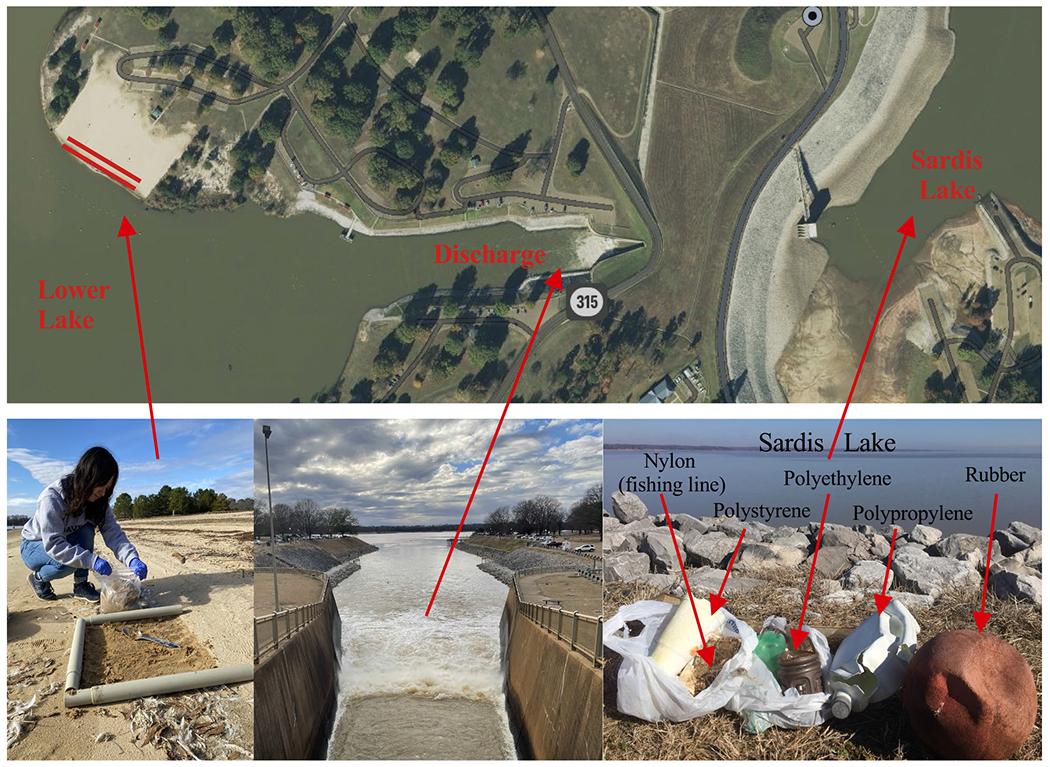
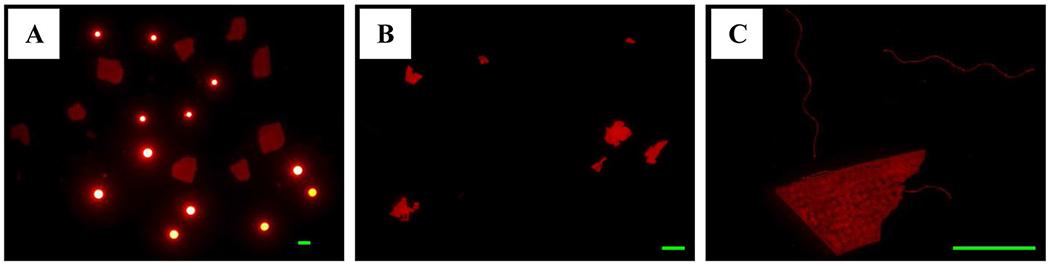
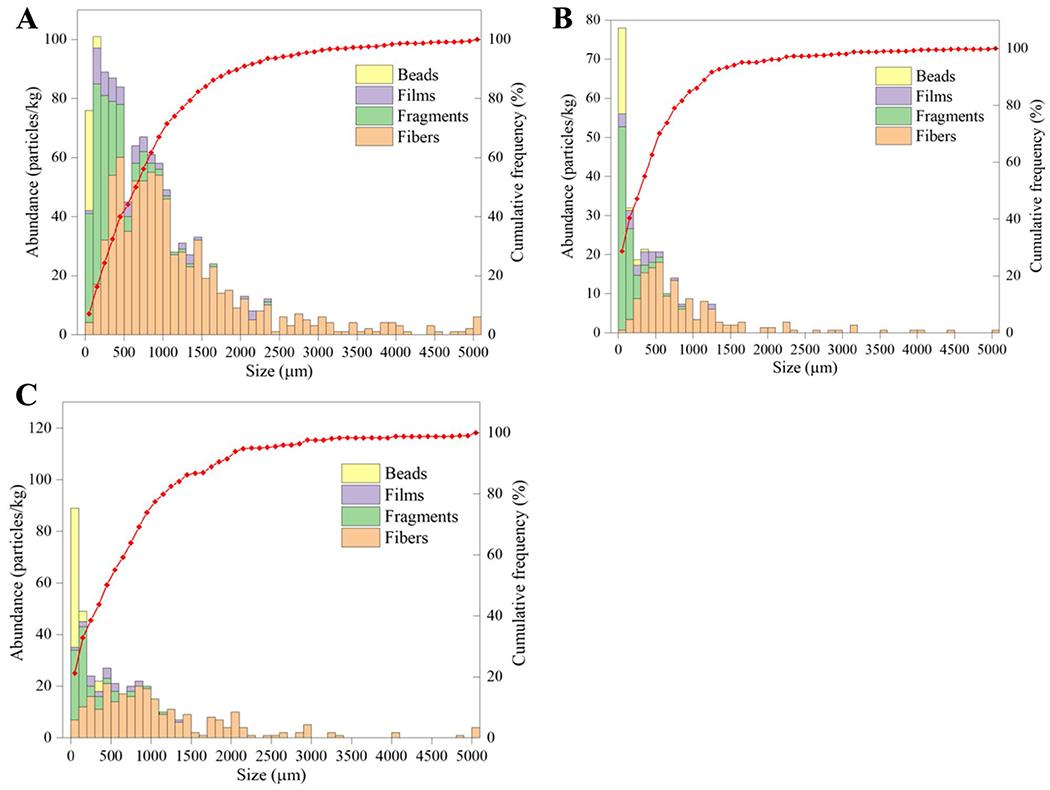
Plastic debris both affects and is affected by the beaches it accumulates on. Most studies of microplastics (MPs) in beach sand are focused on coastal beaches or beaches of large lakes near population centers. Here, we assessed MP pollution at a sandy beach near the outlet of a major flood control reservoir (Sardis Lake) in a relatively unpopulated area in north Mississippi, USA, focusing on two prominent wrack zones and areas in-between. Putative MPs were isolated by density separation and matrix digestion, and then examined using stereomicroscopy, with a subset of samples additionally analyzed by μ-FTIR. MP abundance (particles/kg ± 1 standard error (SE), = 15) averaged of 590 ± 360, with 950 ± 100 in the lower wrack zone, 540 ± 40 in the upper wrack zone, and 270 ± 30 in areas between; these differences were statistically significant ( < 0.01). The MPs generally had similar size and shape characteristics across sites. The majority were fibers (64%), followed by fragments (23%), beads (7%) and films (6%), with a slightly greater proportion of fibers in the wrack zones compared to areas in-between. The number of MPs rose dramatically with decreasing size. Beads were only found in the < 500 μm size fraction. Clear and blue were the predominant colors for all MPs. A total of 29 different types of polymers were detected, with more than half of the particles being composed of polyethylene and polyamide, followed by poly(methyl methacrylate), polyethylene terephthalate, polycarbonate, polypropylene, and others; although this distribution varied some depending on size fraction and location. Because there are no major wastewater discharges into Sardis Lake, the source of the MPs is likely degradation of carelessly discarded plastic, as well as atmospheric fallout. Overall, we found that MP concentrations were highest in the wrack zones and influenced by rates and duration of discharge from the reservoir. Thus, like coastal beaches, wrack zones on freshwater beaches along or downstream of reservoirs accumulate both macro- and micro-plastics and are prime locations for plastic cleanup. Finally, we show that MPs made from naturally weathered LDPE plastic film are prone to fragmentation during pretreatment procedures, which may result in its overestimation.
塑料碎片既会影响其积聚的海滩,也会受到这些海滩的影响。大多数关于沙滩中微塑料(MPs)的研究都集中在沿海海滩或人口中心附近大湖的海滩。在此,我们评估了美国密西西比州北部一个相对人口稀少地区主要防洪水库(萨迪斯湖)出水口附近沙滩的微塑料污染情况,重点关注两个突出的漂浮物堆积区及其之间的区域。通过密度分离和基质消解分离出假定的微塑料,然后使用体视显微镜进行检查,一部分样本还通过μ - 傅里叶变换红外光谱(μ - FTIR)进行了额外分析。微塑料丰度(颗粒数/千克±1标准误差(SE),n = 15)平均为590±360,其中下部漂浮物堆积区为950±100,上部漂浮物堆积区为540±40,两者之间的区域为270±30;这些差异具有统计学意义(P < 0.01)。不同地点的微塑料通常具有相似的大小和形状特征。大多数是纤维(64%),其次是碎片(23%)、珠子(7%)和薄膜(6%),与两者之间的区域相比,漂浮物堆积区的纤维比例略高。微塑料数量随着尺寸减小而急剧增加。珠子仅在尺寸小于500μm的部分中发现。所有微塑料的主要颜色为透明和蓝色。总共检测到29种不同类型的聚合物,超过一半的颗粒由聚乙烯和聚酰胺组成,其次是聚甲基丙烯酸甲酯、聚对苯二甲酸乙二酯、聚碳酸酯、聚丙烯等;不过这种分布会因尺寸部分和位置的不同而有所变化。由于没有大量废水排入萨迪斯湖,微塑料的来源可能是随意丢弃塑料的降解以及大气沉降。总体而言,我们发现微塑料浓度在漂浮物堆积区最高,并且受水库排放速率和持续时间的影响。因此,与沿海海滩一样,水库沿岸或下游淡水海滩的漂浮物堆积区会积聚宏观和微观塑料,是进行塑料清理的主要地点。最后,我们表明由自然风化的低密度聚乙烯塑料薄膜制成的微塑料在预处理过程中容易破碎,这可能导致其被高估。




 Zotero 插件