
化疗的生殖毒性作用及潜在保护机制
Gynotoxic Effects of Chemotherapy and Potential Protective Mechanisms.
作者信息
Markowska Anna, Antoszczak Michał, Markowska Janina, Huczyński Adam
机构信息
Department of Perinatology and Women's Health, Poznań University of Medical Sciences, 60-535 Poznań, Poland.
Department of Medical Chemistry, Faculty of Chemistry, Adam Mickiewicz University, 61-614 Poznań, Poland.
出版信息
Cancers (Basel). 2024 Jun 20;16(12):2288. doi: 10.3390/cancers16122288.
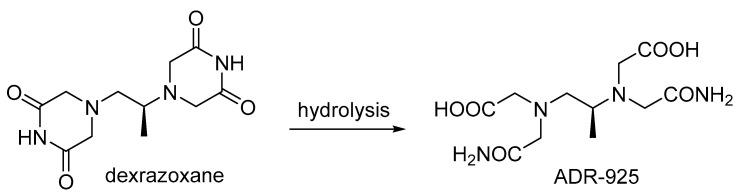
Chemotherapy is one of the leading cancer treatments. Unfortunately, its use can contribute to several side effects, including gynotoxic effects in women. Ovarian reserve suppression and estrogen deficiency result in reduced quality of life for cancer patients and are frequently the cause of infertility and early menopause. Classic alkylating cytostatics are among the most toxic chemotherapeutics in this regard. They cause DNA damage in ovarian follicles and the cells they contain, and they can also induce oxidative stress or affect numerous signaling pathways. In vitro tests, animal models, and a few studies among women have investigated the effects of various agents on the protection of the ovarian reserve during classic chemotherapy. In this review article, we focused on the possible beneficial effects of selected hormones (anti-Müllerian hormone, ghrelin, luteinizing hormone, melatonin), agents affecting the activity of apoptotic pathways and modulating gene expression (C1P, S1P, microRNA), and several natural (quercetin, rapamycin, resveratrol) and synthetic compounds (bortezomib, dexrazoxane, goserelin, gonadoliberin analogs, imatinib, metformin, tamoxifen) in preventing gynotoxic effects induced by commonly used cytostatics. The presented line of research appears to provide a promising strategy for protecting and/or improving the ovarian reserve in the studied group of cancer patients. However, well-designed clinical trials are needed to unequivocally assess the effects of these agents on improving hormonal function and fertility in women treated with ovotoxic anticancer drugs.
化疗是主要的癌症治疗方法之一。不幸的是,其使用会导致多种副作用,包括对女性的生殖毒性作用。卵巢储备功能抑制和雌激素缺乏会降低癌症患者的生活质量,并且常常是不孕和过早绝经的原因。在这方面,经典的烷化剂类细胞毒性药物是毒性最强的化疗药物之一。它们会导致卵巢卵泡及其所含细胞的DNA损伤,还可诱导氧化应激或影响众多信号通路。体外试验、动物模型以及一些针对女性的研究,已经探究了各种药物在经典化疗期间对保护卵巢储备功能的作用。在这篇综述文章中,我们重点关注了所选激素(抗苗勒管激素、胃饥饿素、促黄体生成素、褪黑素)、影响凋亡途径活性和调节基因表达的药物(C1P、S1P、微小RNA)以及几种天然化合物(槲皮素、雷帕霉素、白藜芦醇)和合成化合物(硼替佐米、右丙亚胺、戈舍瑞林、促性腺激素释放激素类似物、伊马替尼、二甲双胍、他莫昔芬)在预防常用细胞毒性药物所致生殖毒性作用方面可能具有的有益作用。所呈现的这一系列研究似乎为在所研究的癌症患者群体中保护和/或改善卵巢储备功能提供了一种有前景的策略。然而,需要设计良好的临床试验来明确评估这些药物对接受具有卵巢毒性的抗癌药物治疗的女性改善激素功能和生育能力的效果。



 Zotero 插件