
食蟹猴非人灵长类动物对含血凝素抗原和聚肌胞苷酸佐剂的舌下流感疫苗免疫反应中的分子事件
Molecular Events in Immune Responses to Sublingual Influenza Vaccine with Hemagglutinin Antigen and Poly(I:C) Adjuvant in Nonhuman Primates, Cynomolgus Macaques.
作者信息
Yamamoto Tetsuro, Hirano Makoto, Mitsunaga Fusako, Wasaki Kunihiko, Kotani Atsushi, Tajima Kazuki, Nakamura Shin
机构信息
Innovation Research Center, EPS Holdings, Inc., 2-1 Tsukudohachimancho, Shinjuku-ku, Tokyo 162-0815, Japan.
EP Mediate Co., Ltd., 1-8 Tsukudocho, Shinjuku-ku, Tokyo 162-0821, Japan.
出版信息
Vaccines (Basel). 2024 Jun 8;12(6):643. doi: 10.3390/vaccines12060643.
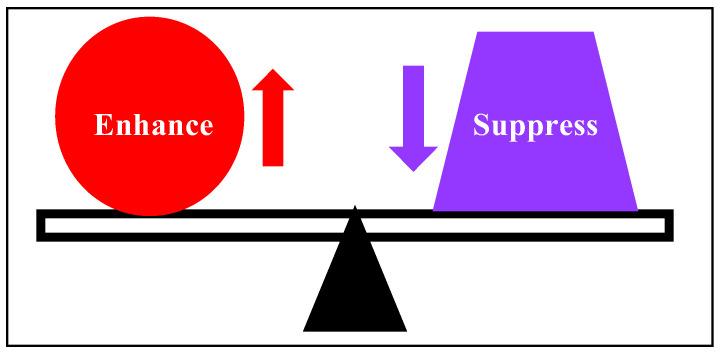
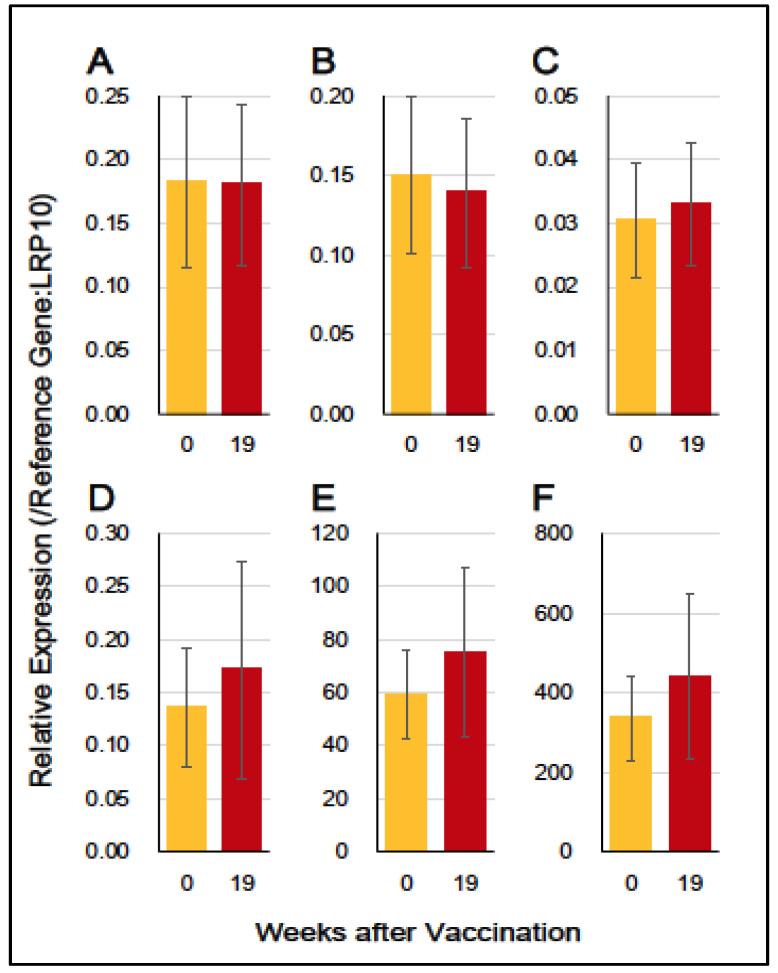
Sublingual vaccines offer the benefits of inducing mucosal immunity to protect against respiratory viruses, including Severe Acute Respiratory Syndrome Coronavirus 2 (SARS-CoV-2) and influenza, while also enabling needle-free self-administration. In a previous study, a sublingual SARS-CoV-2 vaccination was created by combining a recombinafigureCoV-2 spike protein receptor-binding domain antigen with a double strand RNA Poly(I:C) adjuvant. This vaccine was tested on nonhuman primates, Cynomolgus macaques. This study examined the immune and inflammatory responses elicited by the sublingual influenza vaccine containing hemagglutinin (HA) antigen and Poly(I:C) adjuvants, and assessed the safety of this vaccine in nonhuman primates. The Poly(I:C)-adjuvanted sublingual vaccine induced both mucosal and systemic immunities. Specifically, the sublingual vaccine produced HA-specific secretory IgA antibodies in saliva and nasal washings, and HA-specific IgA and IgG were detected in the blood. This vaccine appeared to be safe, as judged from the results of blood tests and plasma C-reactive protein levels. Notably, sublingual vaccination neither increased the production of inflammation-associated cytokines-IFN-alpha, IFN-gamma, and IL-17-in the blood, nor upregulated the gene expression of proinflammatory cytokines-IL12A, IL12B, IFNA1, IFNB1, CD69, and granzyme B-in white blood cells. Moreover, DNA microarray analyses revealed that sublingual vaccination evoked both enhancing and suppressing expression changes in genes associated with immune-related responses in cynomolgus monkeys. Therefore, the sublingual vaccine with the Poly(I:C) adjuvant is safe, and creates a balanced state of enhancing and suppressing the immune-related response.
舌下疫苗具有诱导黏膜免疫以抵御呼吸道病毒的益处,这些病毒包括严重急性呼吸综合征冠状病毒2(SARS-CoV-2)和流感病毒,同时还能实现无需注射的自我接种。在先前的一项研究中,通过将重组SARS-CoV-2刺突蛋白受体结合域抗原与双链RNA聚肌胞苷酸(Poly(I:C))佐剂相结合,制备了一种舌下SARS-CoV-2疫苗。该疫苗在食蟹猴这一非人灵长类动物身上进行了测试。本研究检测了含有血凝素(HA)抗原和Poly(I:C)佐剂的舌下流感疫苗引发的免疫和炎症反应,并评估了该疫苗在非人灵长类动物中的安全性。含Poly(I:C)佐剂的舌下疫苗诱导了黏膜免疫和全身免疫。具体而言,舌下疫苗在唾液和鼻腔灌洗液中产生了HA特异性分泌型IgA抗体,并且在血液中检测到了HA特异性IgA和IgG。从血液检测结果和血浆C反应蛋白水平判断,该疫苗似乎是安全的。值得注意的是,舌下接种既没有增加血液中炎症相关细胞因子——干扰素-α(IFN-α)、干扰素-γ(IFN-γ)和白细胞介素-17(IL-17)的产生,也没有上调白细胞中促炎细胞因子——白细胞介素12A(IL12A)、白细胞介素12B(IL12B)、干扰素α1(IFNA1)、干扰素β1(IFNB1)、CD69和颗粒酶B的基因表达。此外,DNA微阵列分析显示,舌下接种引发了食蟹猴中与免疫相关反应相关基因的增强和抑制表达变化。因此,含Poly(I:C)佐剂的舌下疫苗是安全的,并在增强和抑制免疫相关反应之间创造了一种平衡状态。


 Zotero 插件