
使用眼动追踪方法重新审视智力与个性。
Taking another look at intelligence and personality using an eye-tracking approach.
作者信息
Bardach Lisa, Schumacher Aki, Trautwein Ulrich, Kasneci Enkelejda, Tibus Maike, Wortha Franz, Gerjets Peter, Appel Tobias
机构信息
Department of Psychology, University of Giessen, Giessen, Germany.
Hector Research Institute of Education Sciences and Psychology, University of Tübingen, Tübingen, Germany.
出版信息
NPJ Sci Learn. 2024 Jul 1;9(1):41. doi: 10.1038/s41539-024-00252-8.
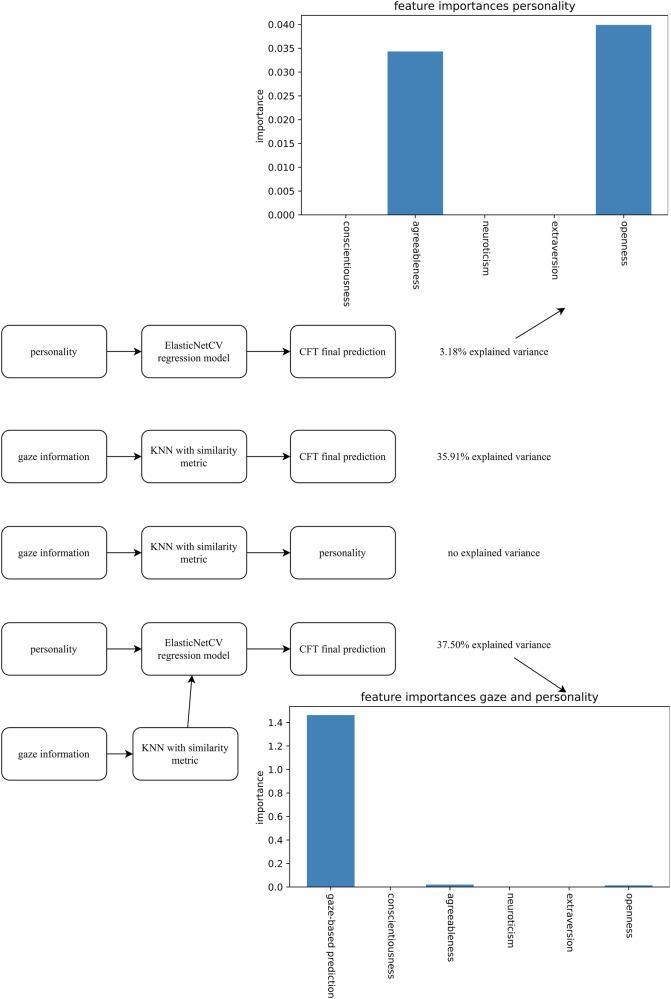
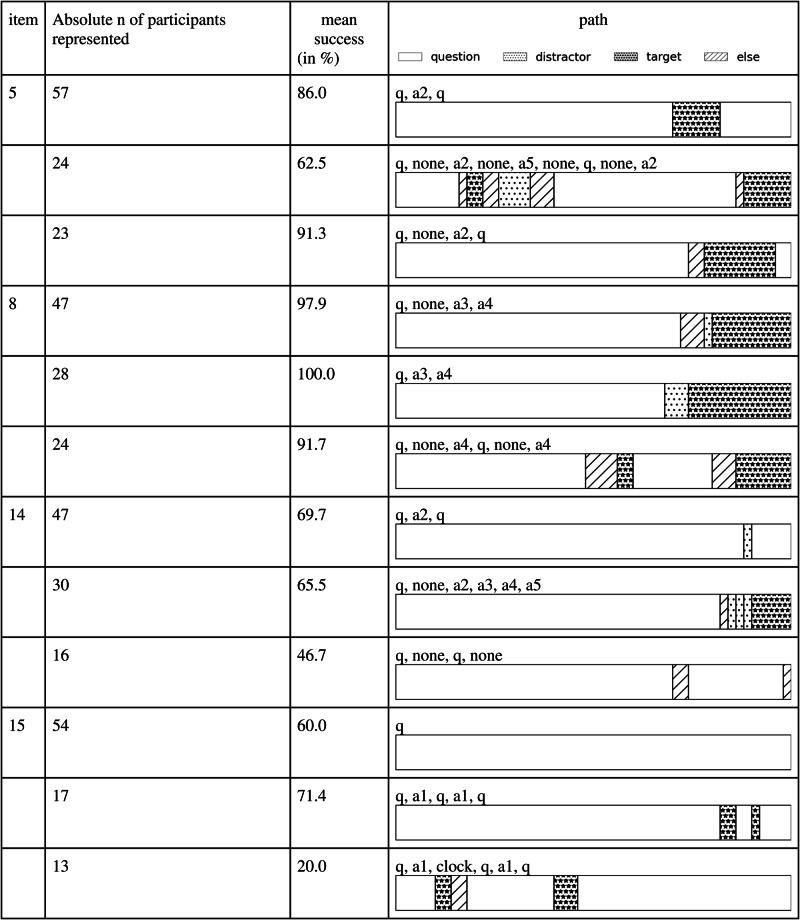
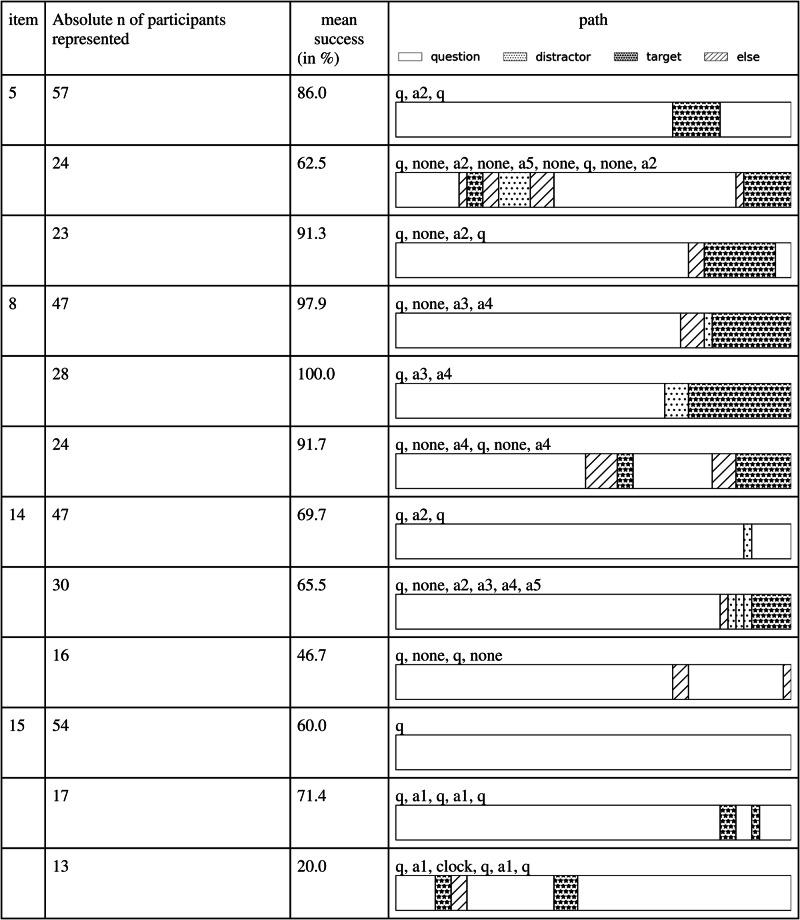
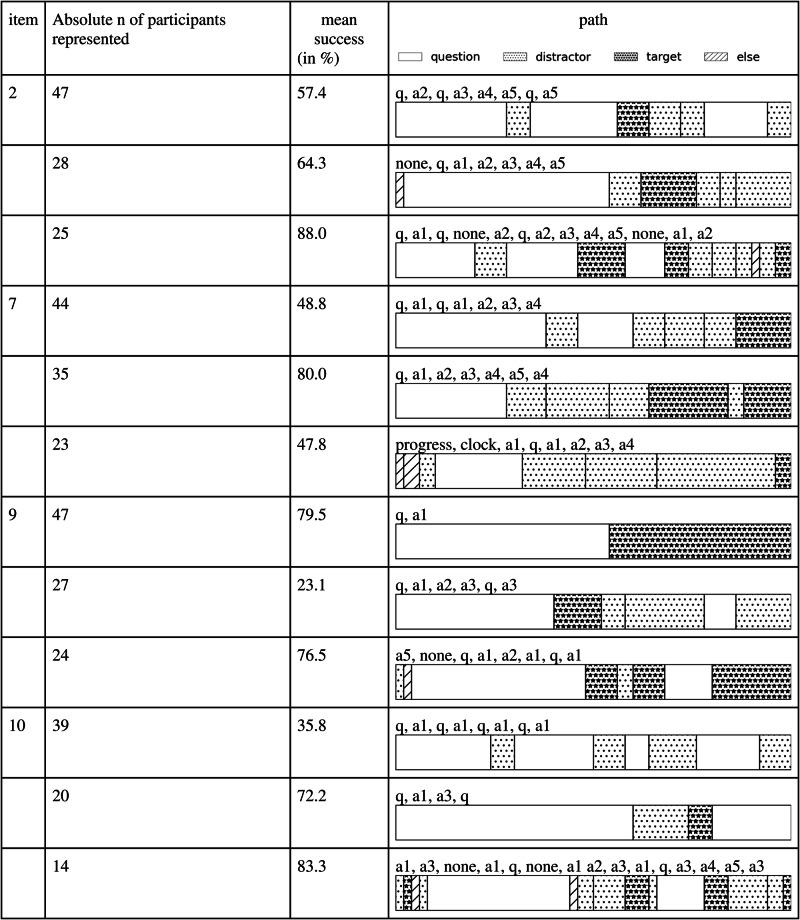
Intelligence and personality are both key drivers of learning. This study extends prior research on intelligence and personality by adopting a behavioral-process-related eye-tracking approach. We tested 182 adults on fluid intelligence and the Big Five personality traits. Eye-tracking information (gaze patterns) was recorded while participants completed the intelligence test. Machine learning models showed that personality explained 3.18% of the variance in intelligence test scores, with Openness and, surprisingly, Agreeableness most meaningfully contributing to the prediction. Facet-level measures of personality explained a larger amount of variance (7.67%) in intelligence test scores than the trait-level measures, with the largest coefficients obtained for Ideas and Values (Openness) and Compliance and Trust (Agreeableness). Gaze patterns explained a substantial amount of variance in intelligence test performance (35.91%). Gaze patterns were unrelated to the Big Five personality traits, but some of the facets (especially Self-Consciousness from Neuroticism and Assertiveness from Extraversion) were related to gaze. Gaze patterns reflected the test-solving strategies described in the literature (constructive matching, response elimination) to some extent. A combined feature vector consisting of gaze-based predictions and personality traits explained 37.50% of the variance in intelligence test performance, with significant unique contributions from both personality and gaze patterns. A model that included personality facets and gaze explained 38.02% of the variance in intelligence test performance. Although behavioral data thus clearly outperformed "traditional" psychological measures (Big Five personality) in predicting intelligence test performance, our results also underscore the independent contributions of personality and gaze patterns in predicting intelligence test performance.
智力和个性都是学习的关键驱动因素。本研究采用与行为过程相关的眼动追踪方法,扩展了先前关于智力和个性的研究。我们对182名成年人进行了流体智力和大五人格特质测试。在参与者完成智力测试时,记录眼动追踪信息(注视模式)。机器学习模型表明,个性解释了智力测试分数方差的3.18%,其中开放性,令人惊讶的是宜人性,对预测的贡献最为显著。个性的层面水平测量比特质水平测量解释了智力测试分数中更大比例的方差(7.67%),在观念和价值观(开放性)以及依从性和信任(宜人性)方面获得了最大系数。注视模式解释了智力测试表现中方差的很大一部分(35.91%)。注视模式与大五人格特质无关,但一些层面(特别是神经质中的自我意识和外向性中的 assertiveness)与注视有关。注视模式在一定程度上反映了文献中描述的测试解决策略(建设性匹配、反应消除)。由基于注视的预测和个性特质组成的组合特征向量解释了智力测试表现中方差的37.50%,个性和注视模式都有显著的独特贡献。一个包含个性层面和注视模式的模型解释了智力测试表现中方差的38.02%。虽然行为数据在预测智力测试表现方面明显优于“传统”心理测量(大五人格),但我们的结果也强调了个性和注视模式在预测智力测试表现方面的独立贡献。

 Zotero 插件