
一种应用计算机免疫信息学和反向疫苗学方法设计的胰腺癌 mRNA 疫苗。
An mRNA vaccine for pancreatic cancer designed by applying in silico immunoinformatics and reverse vaccinology approaches.
机构信息
Department of Microbiology, Noakhali Science and Technology University, Noakhali, Bangladesh.
Microbiology, Cancer and Bioinformatics Research Group, Noakhali Science and Technology University, Noakhali, Bangladesh.
出版信息
PLoS One. 2024 Jul 8;19(7):e0305413. doi: 10.1371/journal.pone.0305413. eCollection 2024.
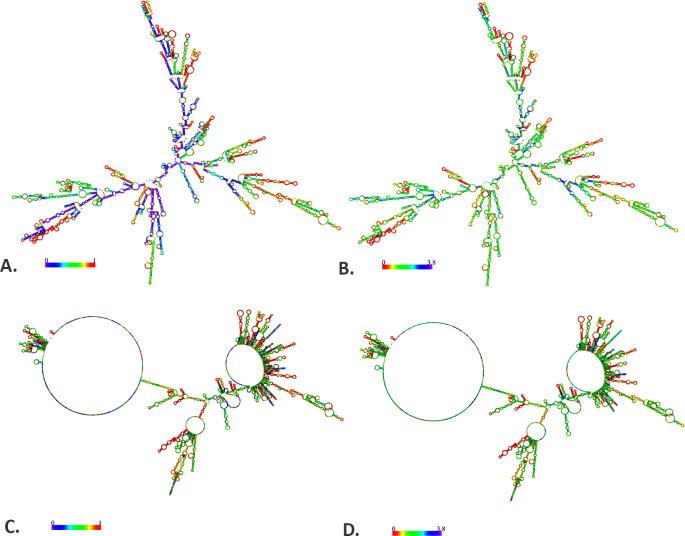
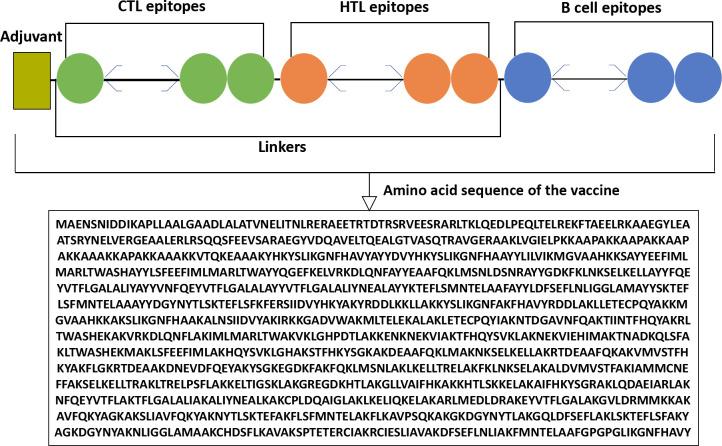
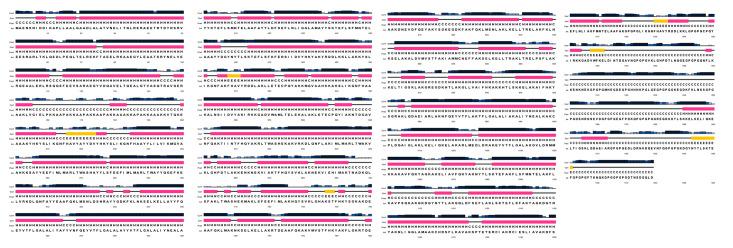
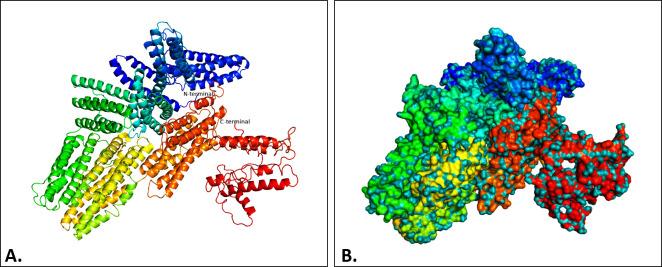
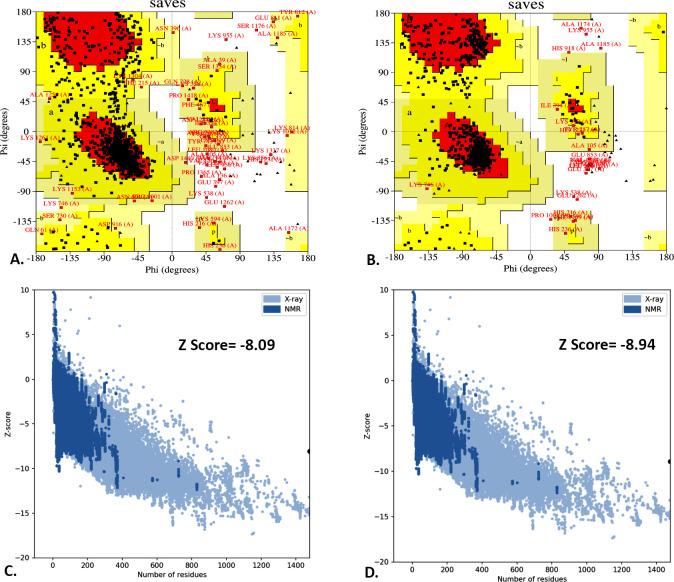
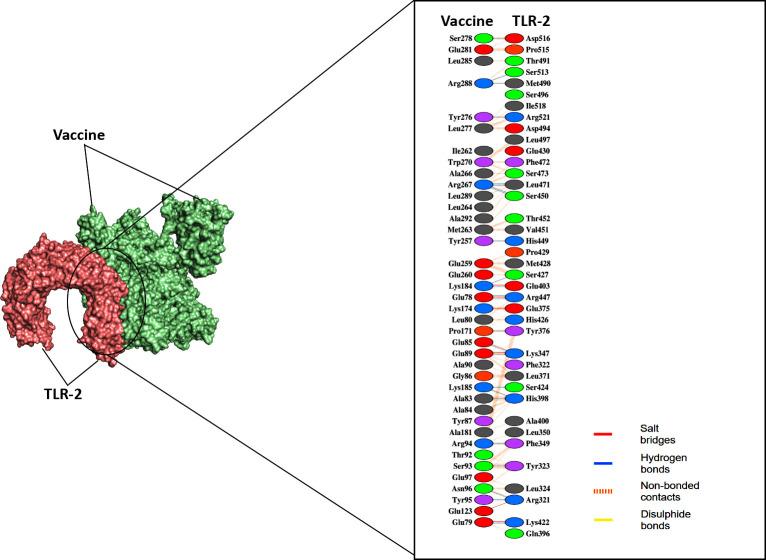
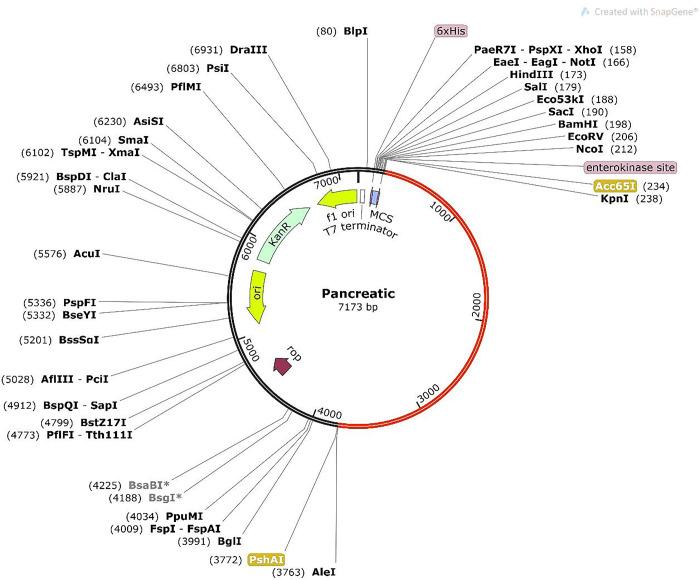
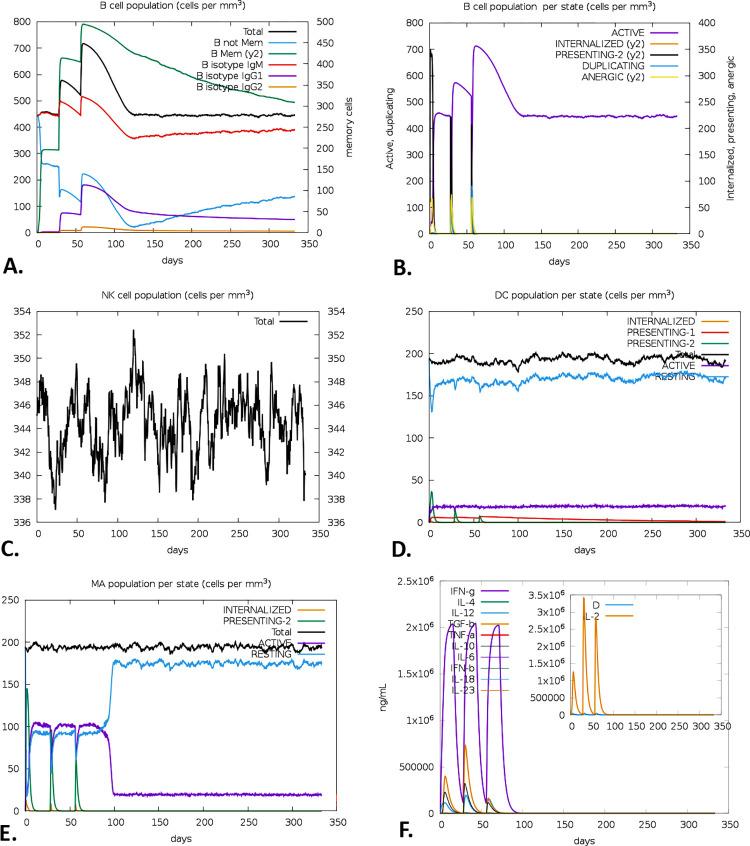
Pancreatic ductal adenocarcinoma is the most prevalent pancreatic cancer, which is considered a significant global health concern. Chemotherapy and surgery are the mainstays of current pancreatic cancer treatments; however, a few cases are suitable for surgery, and most of the cases will experience recurrent episodes. Compared to DNA or peptide vaccines, mRNA vaccines for pancreatic cancer have more promise because of their delivery, enhanced immune responses, and lower proneness to mutation. We constructed an mRNA vaccine by analyzing S100 family proteins, which are all major activators of receptors for advanced glycation end products. We applied immunoinformatic approaches, including physicochemical properties analysis, structural prediction and validation, molecular docking study, in silico cloning, and immune simulations. The designed mRNA vaccine was estimated to have a molecular weight of 165023.50 Da and was highly soluble (grand average of hydropathicity of -0.440). In the structural assessment, the vaccine seemed to be a well-stable and functioning protein (Z score of -8.94). Also, the docking analysis suggested that the vaccine had a high affinity for TLR-2 and TLR-4 receptors. Additionally, the molecular mechanics with generalized Born and surface area solvation analysis of the "Vaccine-TLR-2" (-141.07 kcal/mol) and "Vaccine-TLR-4" (-271.72 kcal/mol) complexes also suggests a strong binding affinity for the receptors. Codon optimization also provided a high expression level with a GC content of 47.04% and a codon adaptation index score 1.0. The appearance of memory B-cells and T-cells was also observed over a while, with an increased level of helper T-cells and immunoglobulins (IgM and IgG). Moreover, the minimum free energy of the mRNA vaccine was predicted at -1760.00 kcal/mol, indicating the stability of the vaccine following its entry, transcription, and expression. This hypothetical vaccine offers a groundbreaking tool for future research and therapeutic development of pancreatic cancer.
胰腺导管腺癌是最常见的胰腺癌,被认为是一个重大的全球健康问题。化疗和手术是目前胰腺癌治疗的主要方法;然而,只有少数病例适合手术,而且大多数病例都会复发。与 DNA 或肽疫苗相比,mRNA 疫苗在胰腺癌治疗方面更有前途,因为它们具有更好的递呈、增强的免疫反应和更低的突变倾向。我们通过分析 S100 家族蛋白构建了一种 mRNA 疫苗,S100 家族蛋白都是晚期糖基化终产物受体的主要激活剂。我们应用免疫信息学方法,包括理化性质分析、结构预测和验证、分子对接研究、计算机克隆和免疫模拟。设计的 mRNA 疫苗估计分子量为 165023.50Da,高度可溶(平均亲水性为-0.440)。在结构评估中,该疫苗似乎是一种稳定且功能正常的蛋白质(Z 得分为-8.94)。此外,对接分析表明,该疫苗与 TLR-2 和 TLR-4 受体具有高亲和力。此外,分子力学与广义 Born 和表面面积溶剂化分析的“疫苗-TLR-2”(-141.07kcal/mol)和“疫苗-TLR-4”(-271.72kcal/mol)复合物也表明对受体具有很强的结合亲和力。密码子优化还提供了高表达水平,GC 含量为 47.04%,密码子适应指数评分为 1.0。在一段时间内还观察到记忆 B 细胞和 T 细胞的出现,辅助 T 细胞和免疫球蛋白(IgM 和 IgG)水平增加。此外,mRNA 疫苗的最小自由能预测为-1760.00kcal/mol,表明疫苗进入、转录和表达后的稳定性。这种假设性疫苗为未来胰腺癌的研究和治疗开发提供了一个开创性的工具。



 Zotero 插件