
1H-吡咯-2,5-二羧酸,一种来自地黄中一种内生真菌的群体感应抑制剂,作为针对……的抗生素促进剂。
1H-Pyrrole-2,5-dicarboxylic acid, a quorum sensing inhibitor from one endophytic fungus in L., acts as antibiotic accelerant against .
作者信息
Liu Junsheng, Wang Zhennan, Zeng Yuexiang, Wang Wei, Tang Shi, Jia Aiqun
机构信息
Key Laboratory of Tropical Biological Resources of Ministry of Education, School of Pharmaceutical Sciences, Hainan University, Haikou, China.
Hainan General Hospital, Hainan Affiliated Hospital of Hainan Medical University, Haikou, China.
出版信息
Front Cell Infect Microbiol. 2024 Jul 2;14:1413728. doi: 10.3389/fcimb.2024.1413728. eCollection 2024.
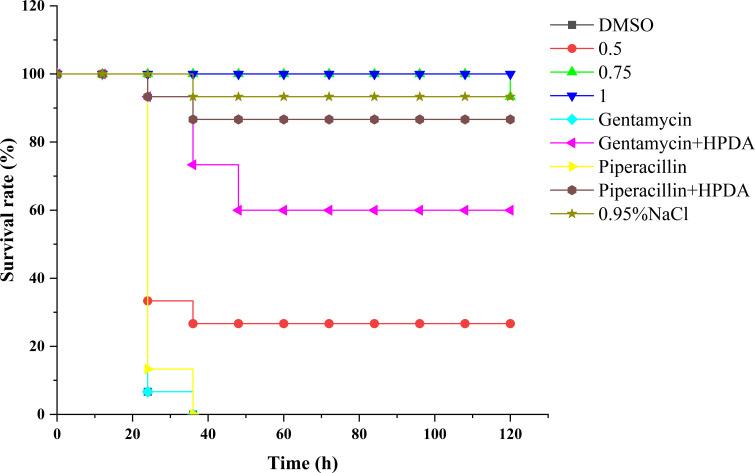
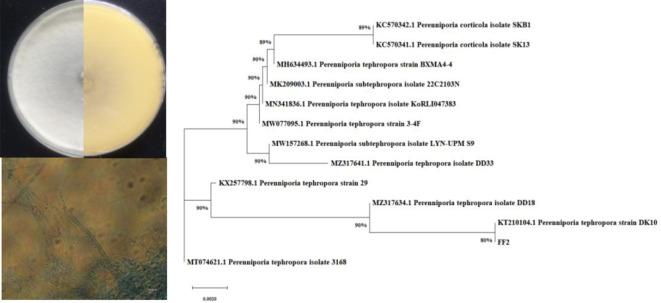
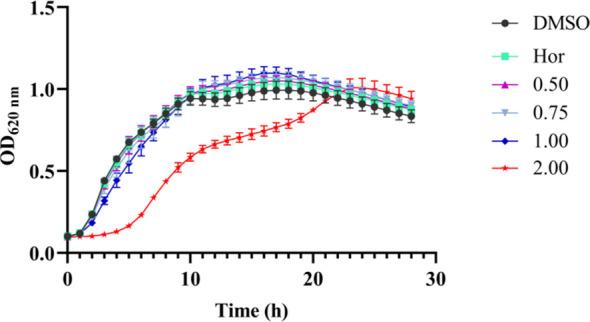
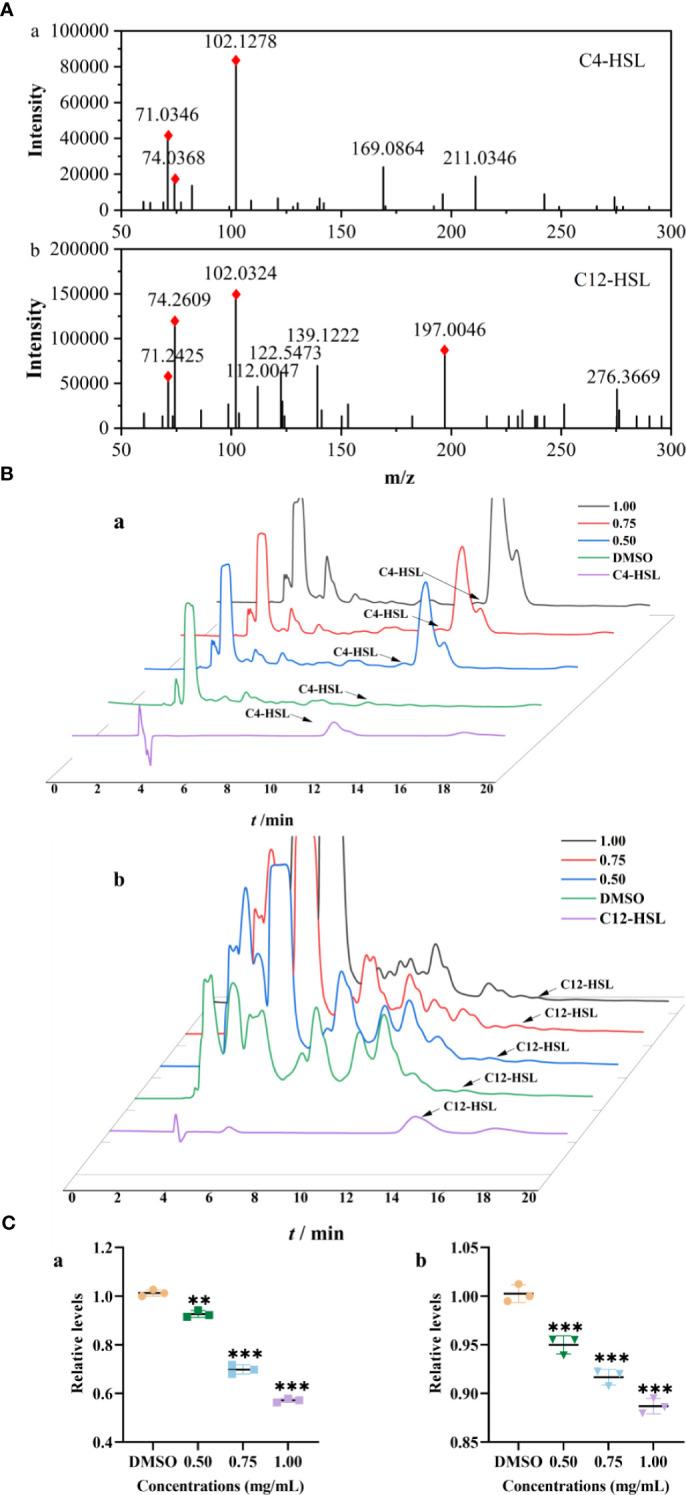
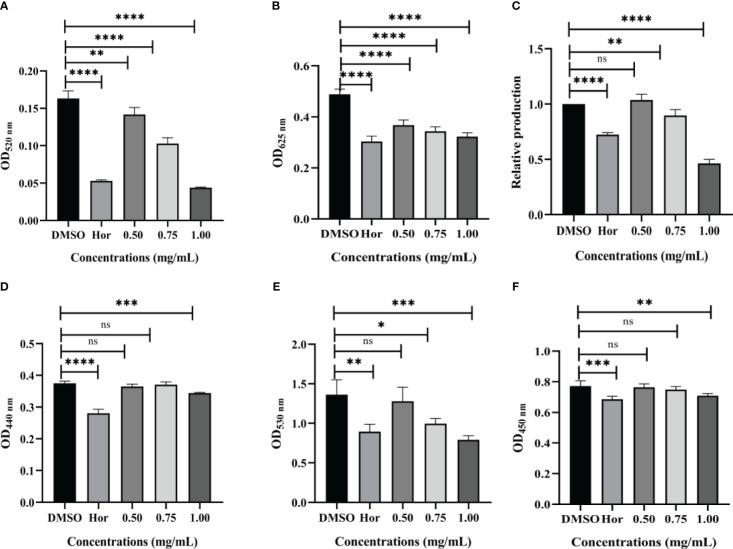
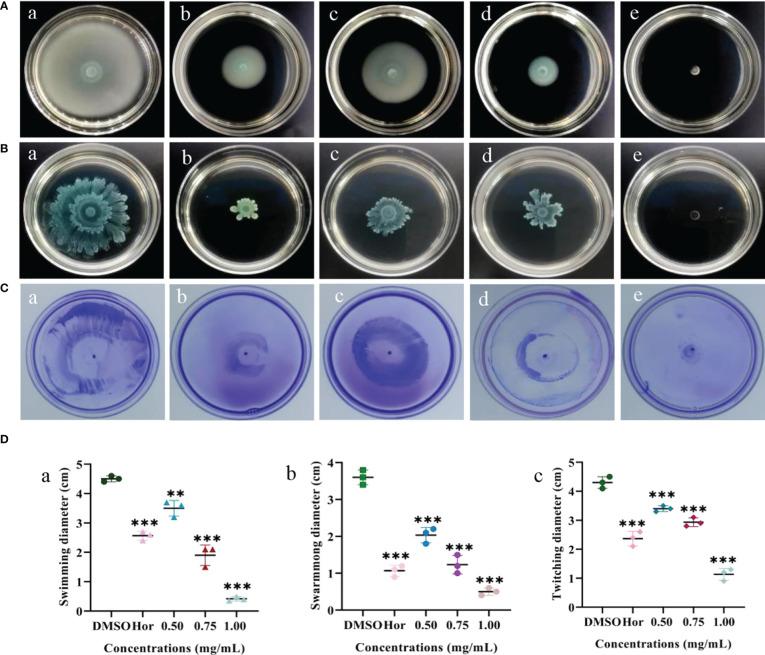
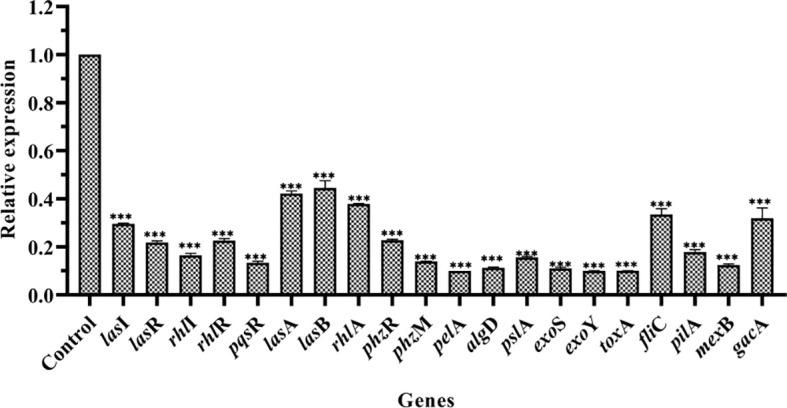
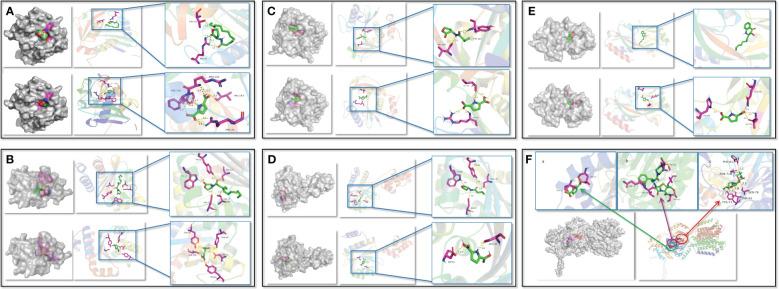
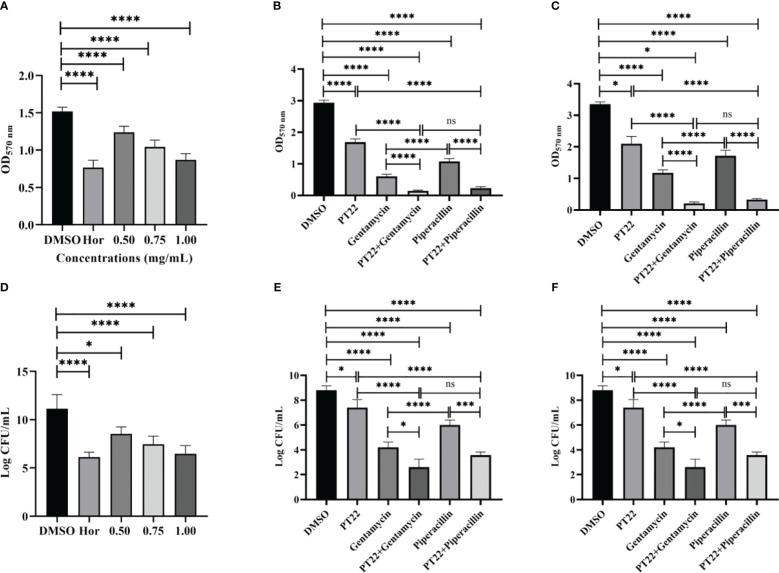
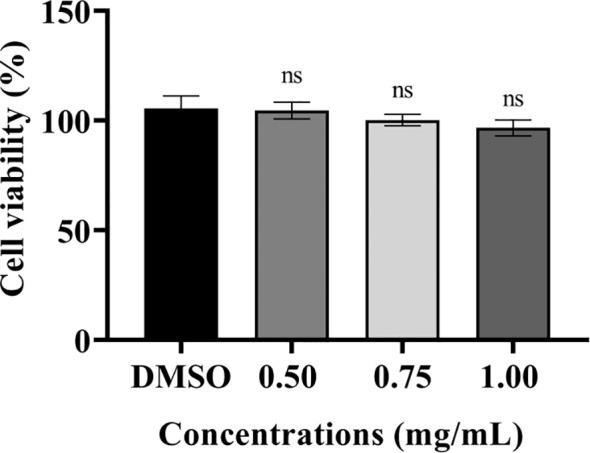
has already been stipulated as a "critical" pathogen, emphasizing the urgent need for researching and developing novel antibacterial agents due to multidrug resistance. Bacterial biofilm formation facilitates cystic fibrosis development and restricts the antibacterial potential of many current antibiotics. The capacity of to form biofilms and resist antibiotics is closely correlated with quorum sensing (QS). Bacterial QS is being contemplated as a promising target for developing novel antibacterial agents. QS inhibitors are a promising strategy for treating chronic infections. This study reported that the active compound PT22 (1H-pyrrole-2,5-dicarboxylic acid) isolated from FF2, one endophytic fungus from L., presents QS inhibitory activity against . Combined with gentamycin or piperacillin, PT22 functions as a novel antibiotic accelerant against . PT22 (0.50 mg/mL, 0.75 mg/mL, and 1.00 mg/mL) reduces the production of QS-related virulence factors, such as pyocyanin and rhamnolipid, and inhibits biofilm formation of PAO1 instead of affecting its growth. The architectural disruption of the biofilms was confirmed by visualization through scanning electron microscopy (SEM) and confocal laser scanning microscopy (CLSM). Real-time quantitative PCR (RT-qPCR) indicated that PT22 significantly attenuated the expression of QS-related genes followed by docking analysis of molecules against QS activator proteins. PT22 dramatically increased the survival rate of . PT22 combined with gentamycin or piperacillin presents significant inhibition of biofilm formation and eradication of mature biofilm compared to monotherapy, which was also confirmed by visualization through SEM and CLSM. After being treated with PT22 combined with gentamycin or piperacillin, the survival rates of were significantly increased compared to those of monotherapy. PT22 significantly enhanced the susceptibility of gentamycin and piperacillin against PAO1. Our results suggest that PT22 from FF2 as a potent QS inhibitor is a candidate antibiotic accelerant to combat the antibiotic resistance of .
已被规定为“关键”病原体,这凸显了由于多重耐药性而迫切需要研发新型抗菌剂。细菌生物膜的形成促进了囊性纤维化的发展,并限制了许多现有抗生素的抗菌潜力。其形成生物膜和抵抗抗生素的能力与群体感应(QS)密切相关。细菌群体感应正被视为开发新型抗菌剂的一个有前景的靶点。群体感应抑制剂是治疗慢性感染的一种有前景的策略。本研究报道,从L.的一种内生真菌FF2中分离出的活性化合物PT22(1H-吡咯-2,5-二羧酸)对具有群体感应抑制活性。与庆大霉素或哌拉西林联合使用时,PT22可作为一种针对的新型抗生素增效剂。PT22(0.50mg/mL、0.75mg/mL和1.00mg/mL)可降低与群体感应相关的毒力因子如绿脓菌素和鼠李糖脂的产生,并抑制PAO1的生物膜形成,而不影响其生长。通过扫描电子显微镜(SEM)和共聚焦激光扫描显微镜(CLSM)可视化证实了生物膜的结构破坏。实时定量PCR(RT-qPCR)表明,PT22显著减弱了与群体感应相关基因的表达,随后对分子与群体感应激活蛋白进行了对接分析。PT22显著提高了的存活率。与单一疗法相比,PT22与庆大霉素或哌拉西林联合使用对生物膜形成具有显著抑制作用,并能根除成熟生物膜,这也通过SEM和CLSM可视化得到证实。用PT22与庆大霉素或哌拉西林联合处理后,的存活率比单一疗法显著提高。PT22显著增强了庆大霉素和哌拉西林对PAO1的敏感性。我们的结果表明,来自FF2的PT22作为一种有效的群体感应抑制剂,是对抗抗生素耐药性的候选抗生素增效剂。

 Zotero 插件